
Optical media is great — it’s pretty high density, relatively durable, and decently long-lasting if
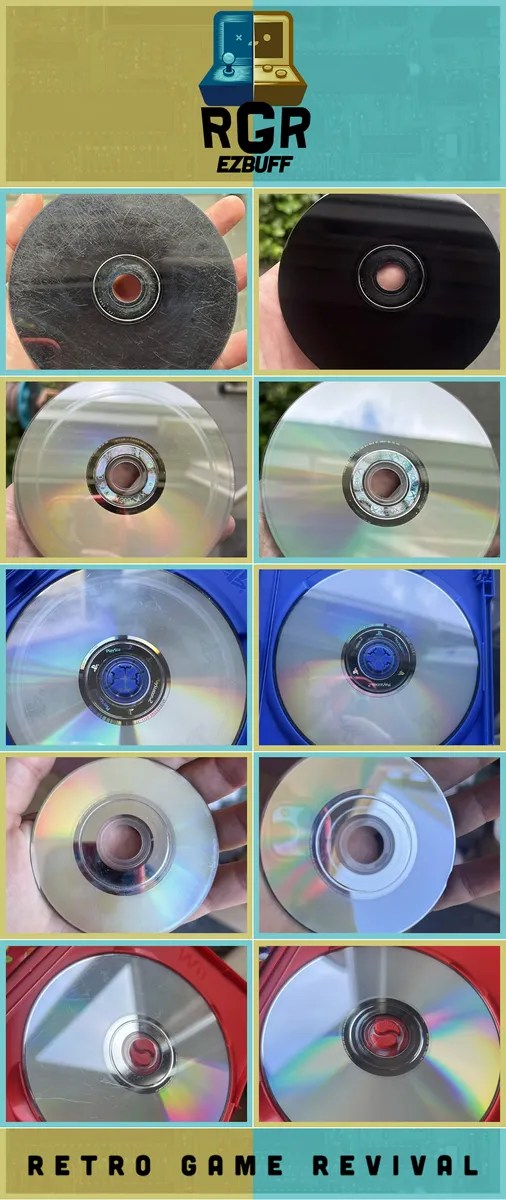
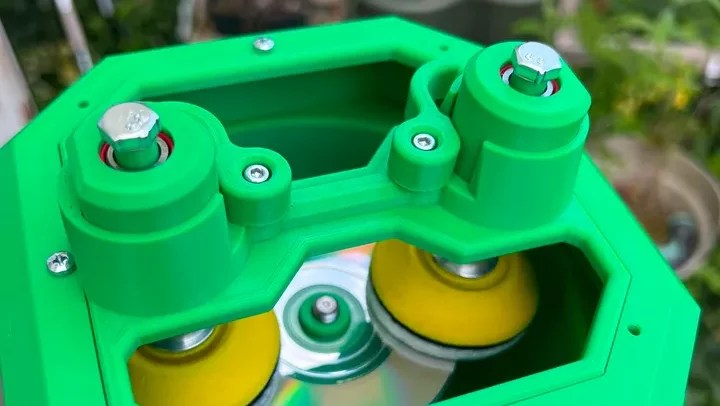
well cared for. If not well cared for, well, it’s only relatively durable, and we’ve probably all picked up a second-hand disk that’s too scratched to use. The X-Box 360 is notorious for causing circular damage, and while decent disk cleaners were easy to get in the 90s, we’re not sure how far we trust what’s on offer at retailers today. Hence [Dennis], aka [RetroGameRevival]’s RGR ezBuff polishing machine, which does exactly what it says on the tin: buffs disks to a polish, easily.
We’d say the whole thing is 3D printed, but of course you still need a motor and controller — if you had to turn a crank, that would just be a Buff polishing machine, no ez — and we’ve yet to see a printer poop out polishing compound. If you build it, keep in mind that you’re taking the top layer of material off the disk to polish scratches away, so don’t overdo it. It’s entirely possible to ruin a disk beyond repair with too-aggressive buffing; it’s also possible for disks to be scratched too deeply to save. Polishing can’t save genuine disk rot, though in our experience you’re more likely to find scratched disks than rotten ones. Still, [Dennis]’s birthday gift to the community — it was apparently released on his birthday — should keep more than a few disks out of the trash.
With Sony getting out of the disk game, physical media is becoming more precious than ever, so it’s good to see what looks like a quality polishing option for those of us who either never had a polisher or didn’t save theirs. If you really want your disks to last, maybe we should bring back CD caddies.
Thanks to [Dean] for the tip, via timeExtension.com.












I have saved many a disk with one scratch so deep they could not be correctly read (at least temporary) by putting dish soap on the surface, rubbing it in with a finger, then holding under a tap shortly so the excess drains away.
I had a friend back in the day who swore by peanut butter. I always used a buffing compound for high-gloss, and if it was covered in tiny (shallow) scratches, there was this “ultimate/magic” automotive scratch remover (some kind of proprietary 90s wax cream) that did amazing work.
Looks like RetroGameRevival put some thought into this design, solid build. Good on them for putting it out there, and without a paywall.
Not going to make a commercial by specifying a product name, but I once owned motorcycles and have used the same product to clean and polish my helmet and visor on CD nasties. Lots of products, but quality motorcycle/auto suppliers can recommend a premium brand.
Just remember to NOT wipe the disc in a circular motion, rather use a radial motion from the center out to the edge.
In a pinch I’ve used plain Crest toothpaste as a light buffing compound. Saved my old Duke3D disc that way.
@ Josiah
I use toothpaste to polish automotive headlights that have yellowed/faded. It works great and is cheaper than alternatives. It also polishes scratches out of watch crystals. I use the tubes that the dentist gives you at checkup time.
Something to try considering just how much of that ancient media I have.
durable? lol
If you’d seen the swap from vinyl to CD, yeah, you’d think of them as relatively durable. If you ever accidentally degaussed a disk or a tape, you’d think of them as relatively durable. Everything is relative.
Circular? You should clean them vertically to the center, since the data is read horizontally. Tiny scratches/scuff from cleaning can be fixed by algorythm, while horizontal scratches are bad.
I need to adapt this to an old 3- or 5-disc changer and make an assembly-line buffer. A thrift store I go to often has a box of loose discs for very cheap.