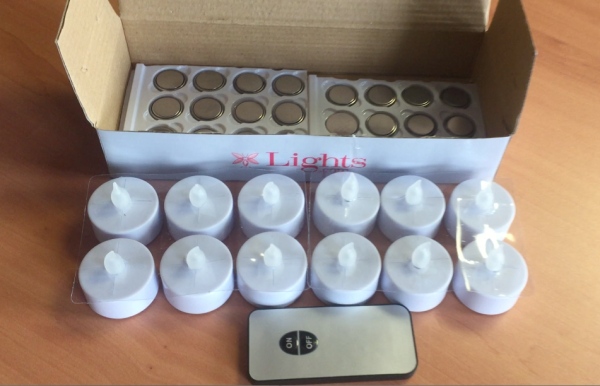
These are batteries. Don't put them in your mouth.

PSA: Don’t Let Kids Eat Lithium Batteries

We get a lot of press releases at Hackaday, but this one was horrific enough that we thought it was worth sharing. Apparently, some kids are accidentally eating lithium coin cell batteries. When this happens with bigger cells, usually greater than 20 millimeters (CR2032, CR2025, and CR2016) really bad things happen. Like burning esophaguses, and even death.

The National Capital Poison Center has done some research on this, and found that 14% of batteries swallowed over the past two years came from flameless candles like the ones above. We know some of our readers also deal with batteries in open trays, which are apparently pretty dangerous for children.

The National Capital Poison Center’s website has an entire page dedicated to battery safety, which is probably worth a read if you deal with batteries and small children on a regular basis. Should an incident occur, there’s even a hotline to call for assistance.

So, please, don’t swallow batteries, or let children put them in their mouths. After the break, a Canadian PSA song about not putting things in your mouth.

Continue reading “PSA: Don’t Let Kids Eat Lithium Batteries”

Palatable Pallet Procurement Procedures

Wooden pallets are a versatile and widely-available starting point for a multitude of projects. Best of all, they can usually be acquired free of charge. But choose the wrong kind of pallet and you could end up paying dearly. [Eric] has compiled a great deal of useful information about pallets that will help you find ideal candidates and prepare them for whatever project you have in mind, be it a coffee table or a backyard roller coaster.

Pallets come in several styles and loader configurations. Some are made with space between the boards, and others are closed. If you take nothing else away from his article, just remember to look for plain, untinted pallets with no markings and you’ll be fine.

No markings means the pallet was used domestically, so markings aren’t required. Marked pallets from abroad should feature the IPPC logo as well as a treatment code indicating the method used on the material. Debarked (DB), heat treated (HT), and pallets with the European Pallet Association logo (EPAL) are all safe choices. Pallets labeled (MB) were treated with methyl bromide, which is a poisonous fungicide. Colored pallets should be avoided as well. If you find one in a cool color, take a picture of it and find some paint in a similar hue.

Safe pallets can be had from many places ranging from hardware stores to feed and tack supply stores. Find someone you can ask for permission to take pallets—they might even help you load them. Keep some gloves in your trunk to avoid splinters.