
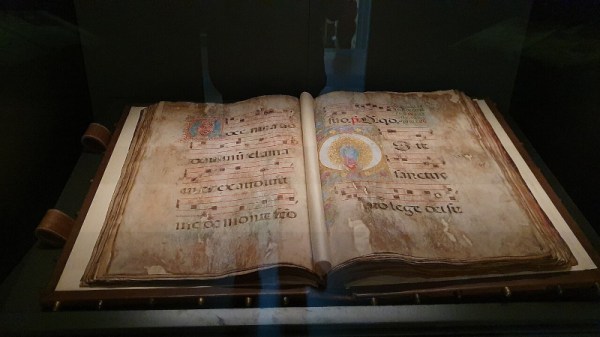
One of the stories of the last few weeks has been that AI companies have been scanning books in very large numbers in order to train their models with content guaranteed to have been written before 2002, and thus AI free. It’s caused some outrage, because of the size of the operation, and because the scanning process is destructive. In particular the phrase being bandied around is that these are rare books, and it’s this phraseology I find problematic. I think it’s time to unpack why that is the case.
It’s Not Book Burning, Folks
Before I worked for Hackaday I had a long career in and around the publishing industry, mostly on the electronic side, but from time to time crossing paths with my colleagues in the world of paper-based publishing. I understand the appeal of a good book, I’ve spend a lot of my life among bibliophiles, and let’s just say I own a few books myself. In particular I understand the symbolism of destroying books, bringing to mind as it does the actions of repressive regimes. I have stood in Bebelplatz in Berlin where the photo of Nazi student organisation members burning the library of Magnus Hirschfeld’s institute was taken in 1933, and if you know me, you’ll have an idea why that’s close to home. But for all that, what the AI companies are doing is not the same thing.
In this case they’re destroying the books for two reasons. Firstly, as I remember from a previous employer in the publishing world, it’s much easier to digitise a stack of papers than it is a bound book. Thus I’m pretty sure that’s one reason they remove the binding before digitising the pages. Then secondly, as I understand it it’s a copyright issue. If they buy a book, digitise it, and destroy the physical copy, they can legitimately claim that only one copy of it exists, and they hope, sidestep copyright claims from publishers. Continue reading “AI Book Scanning: Just What Is A Rare Book?”









