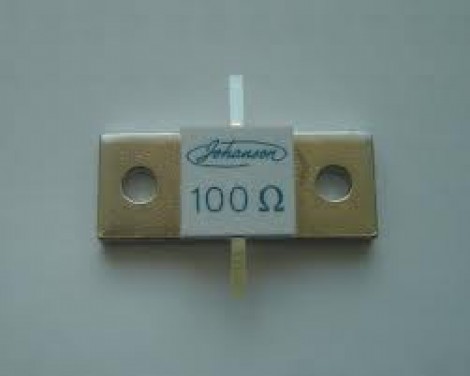
The pi pad

In the world of electronics we have impedance; the combination of all forces which oppose the flow of electric current. Often times we have circuits with different impedances, 50 ohms for RF, or 75 for cable TV. It’s pretty important to use the right coax in these circuits, else you’ll be wondering why your RG-58 antenna feed line doesn’t give … Read the rest

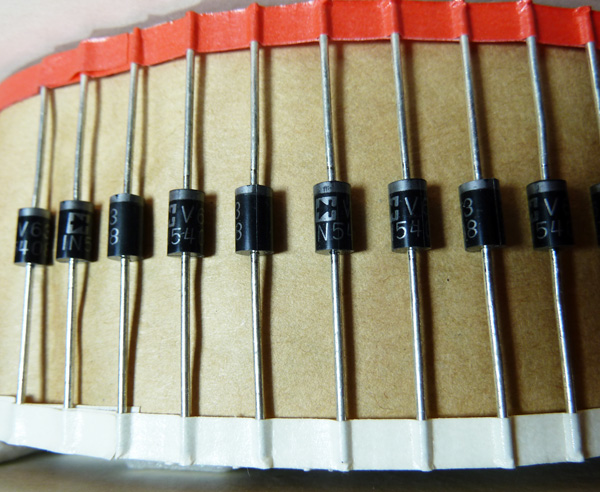
A bit more about the diode

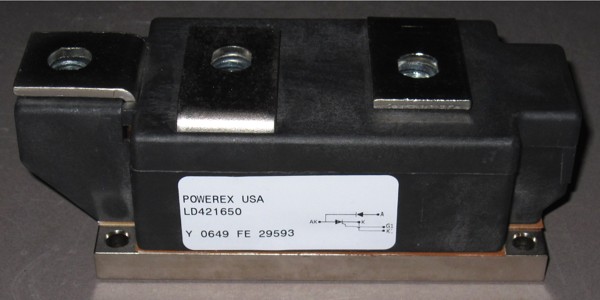
Last week we covered diodes, specifically thermionic and PN junction diodes. But oh, there are more; and they’re special!… Read the rest

The making of a Vacuum Tube

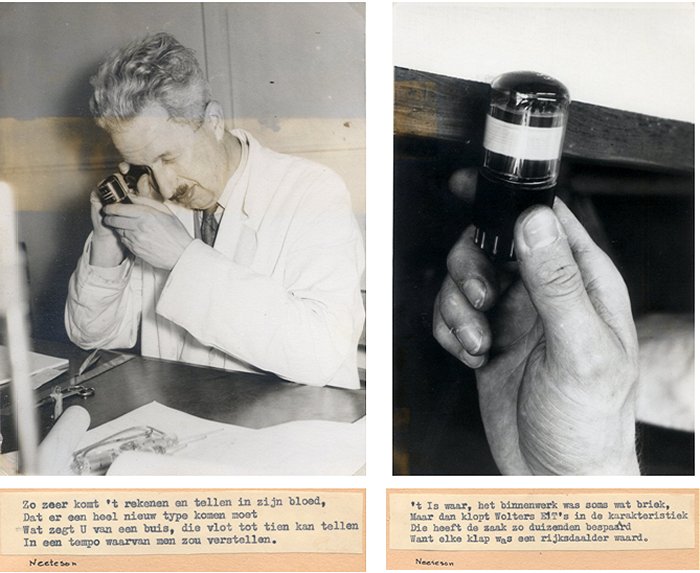
With the death of Heathkit looming  in our minds it’s high time for a a heartwarming story. [Ronald Dekker] has done a wonderful job documenting the history of the E1T beam counting tube, detailing everything from the work led up to the invention of the tube to the lives of the inventors themselves.

For those who are unaware, the E1T … Read the rest

A bit about the diode

Most of you already know what a diode is, but how much do you really know about the device?… Read the rest

Kits to fund Hackerspaces

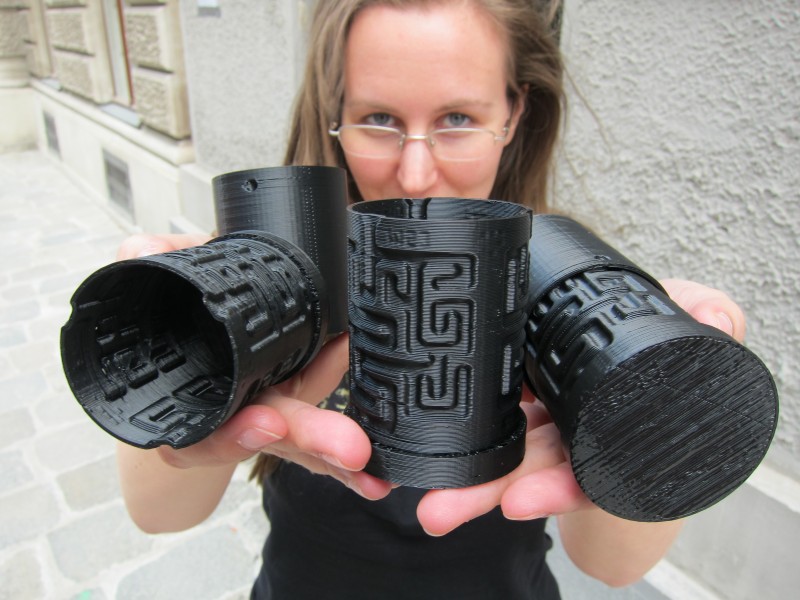
[Overflo] recently tipped us about HackerspaceShop; his plan to help fund the Viennese and European hackerspaces by creating a marketplace for electronic kits. The idea is to not only sell kits, but to also create an easy way for others to sell their own kits through the platform, which is pretty awesome if you ask us.

Their kit they … Read the rest

We don’t need no stinkin’ packages!

DIP, SOIC, BGA, MLF or QFP?  None, so it seems.

This morning I received an email from Texas Instruments. Normally, these things go right into the spambox but this one was a bit unique. You can now buy some of TI’s IC’s without any packaging. Yup, just trays full of silicon squares. From TI’s point of view miniaturization has … Read the rest

Print your own Supercaps

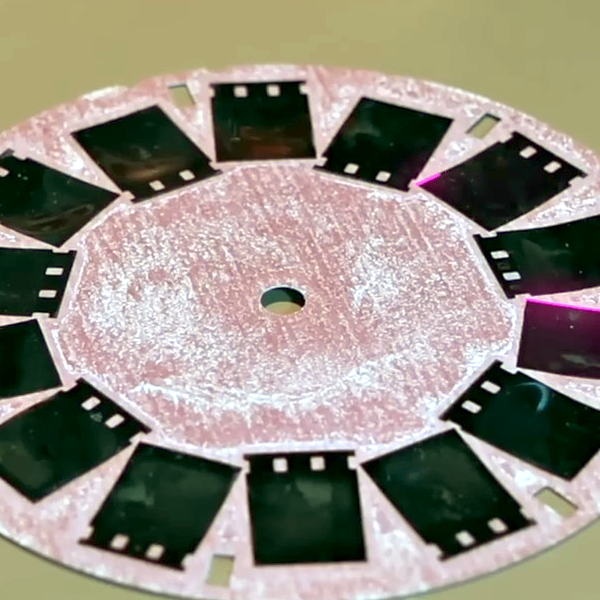
[Gil] recently wrote in to tell us about some awesome research going on at UCLA. Apparently by layering some oxidized graphite onto a DVD and tossing it into a lightscribe burner, it’s possible to print your own super capacitors; some pretty high capacity ones at that.

For those that are unaware, supercapcaitors are typically made using two electrolyte soaked, activated … Read the rest