Developed On Hackaday: Vote For Your Favorite Card Art

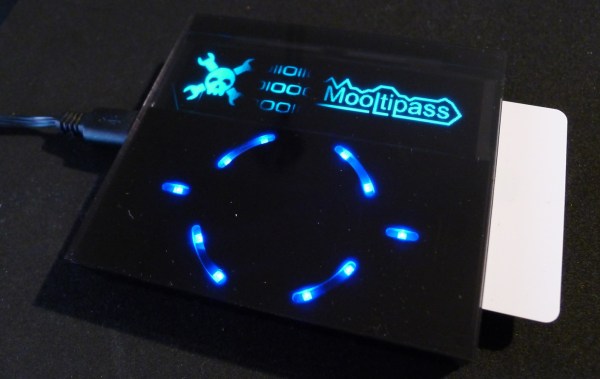
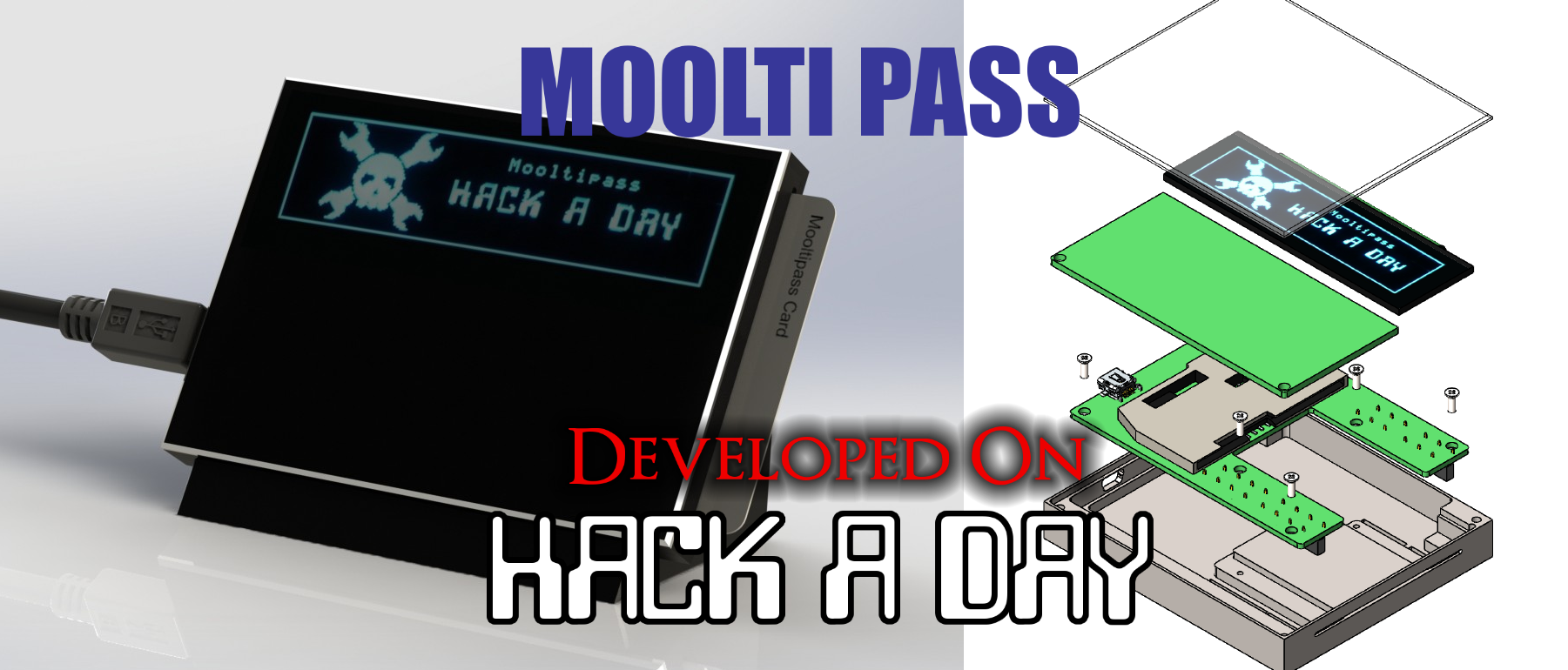
A few weeks ago we asked our dear readers if they were interested in coming up with some card art for the Mooltipass project. We received more than a dozen of them and a few days ago the HaD project Mooltipass followers/Mooltipas Google group recipients voted for their favorite ones.

Today we’ll present you the three popular ones and ask you to pick your favorite, so please follow us after the break…

Continue reading “Developed On Hackaday: Vote For Your Favorite Card Art”

A LIN Bus Signal Injector

LIN bus signal injector

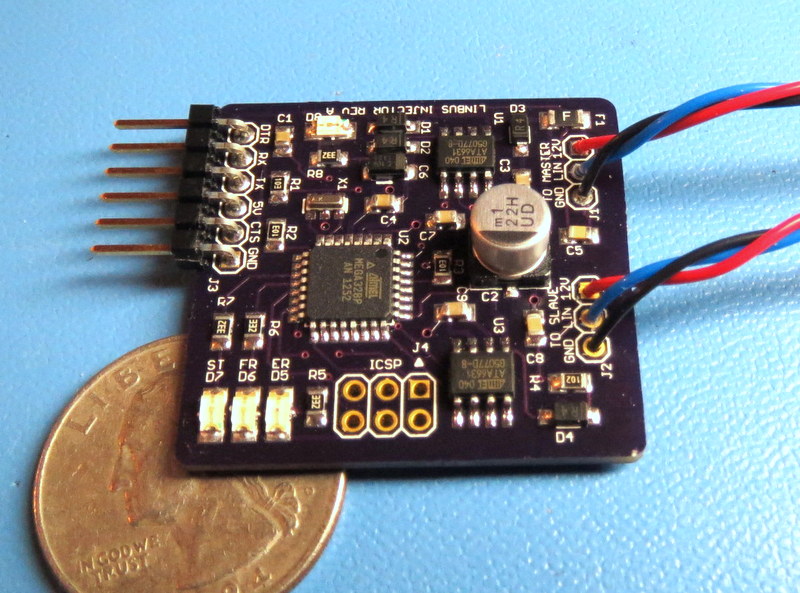
[Zapta] tipped us about his latest project: a LIN bus signal injector. For our unfamiliar readers, the LIN bus is a popular automotive bus that is used to interface with buttons, lights, etc. As [Zapta] was tired of having to press the Sport Mode button of his car each time he turned the ignition on, he thought it’d build the platform shown above to automatically simulate the button press.

The project is based around an ATMega328 and is therefore Arduino IDE compatible (recognized as an Arduino Mini Pro), making firmware customization easy. In the car, it is physically setup as a proxy between the LIN master and the slave (which explains the two 3-wires groups shown in the picture). It is interesting to note that the injection feature can be toggled by using a particular car buttons press sequence. The project is fully open source and a video of the system in action is embedded after the break.

Continue reading “A LIN Bus Signal Injector”

Measuring Frequency Response With An RTL-SDR Dongle And A Diode

[Hans] wanted to see the frequency response of a bandpass filter but didn’t have a lot of test equipment. Using an RTL-SDR dongle, some software and a quickly made noise generator, he still managed to get a rough idea of the filter’s characteristics.

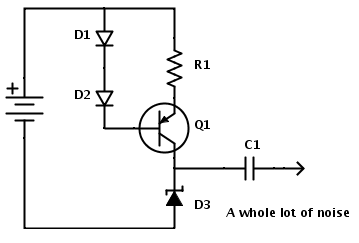
How did he do it? He ‘simply’ measured his noise generator frequency characteristics with and without the bandpass filter connected to its output and then subtracted one curve with the other. As you can see in the diagram above, the noise generator is based around a zener diode operating at the reverse breakdown voltage. DC blocking is then done with a simple capacitor.

Given that a standard RTL-SDR dongle can only sample a 2-3MHz wide spectrum gap at a time, [Hans] used rtlsdr-scanner to sweep his region of interest. In his write-up, he also did a great job at describing the limitations of such an approach: for example, the dynamic range of the ADC is only 48dB.

Building A Mesh Networked Conference Badge

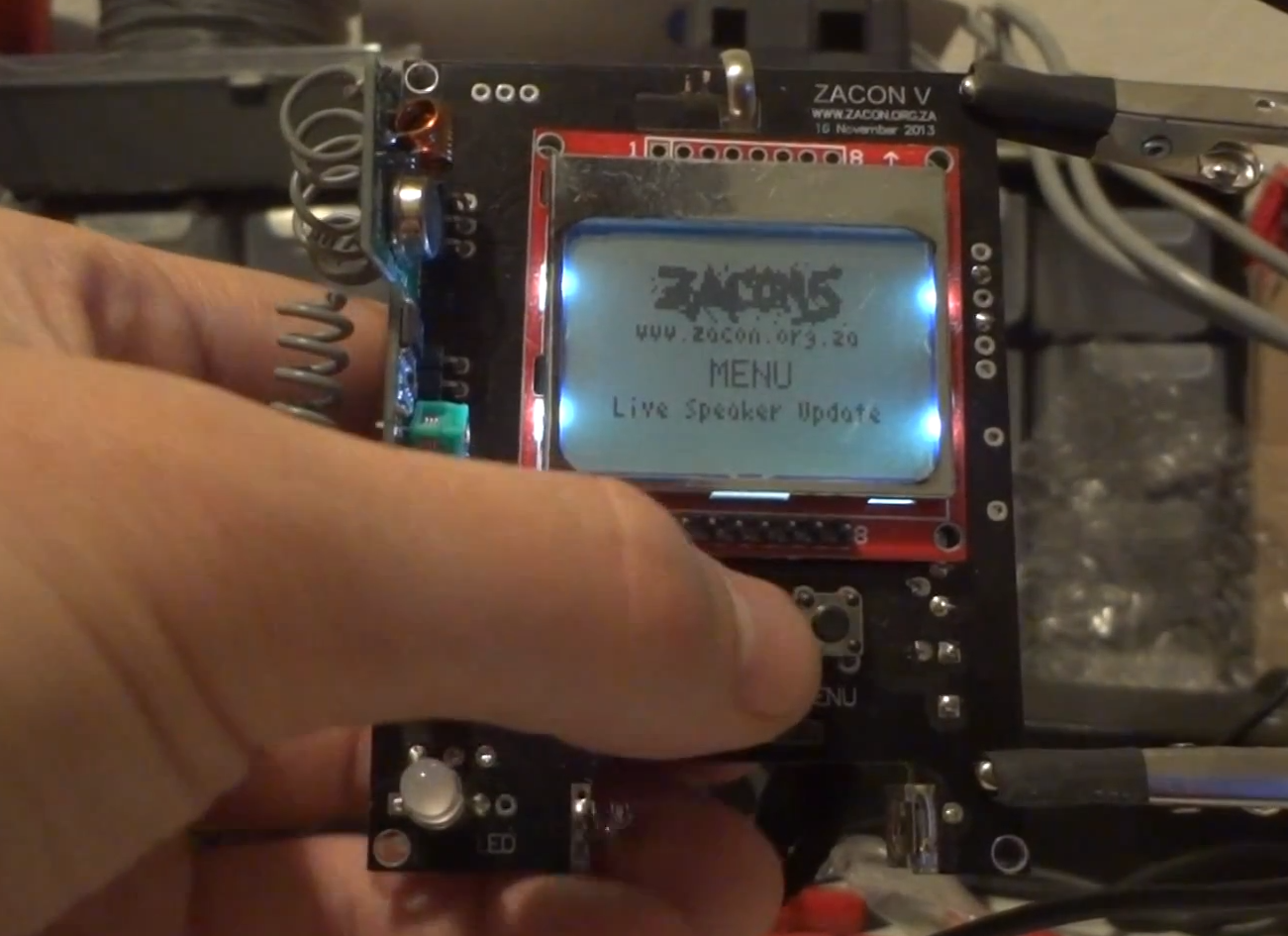
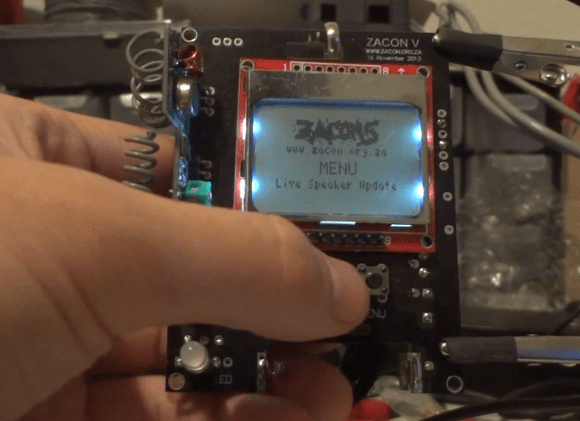
[Andrew] just finished his write-up describing electronic conference badges that he built for a free South African security conference (part1, part2). The end platform shown above is based on an ATMega328, a Nokia 5110 LCD, a 433MHz AM/OOK TX/RX module, a few LEDs and buttons.

The badges form a mesh network to send messages. This allows conversations between different attendees to be tracked. Final cost was the main constraint during this adventure, which is why these particular components were chosen and bought from eBay & Alibaba.

The first PCB prototypes were CNC milled. Once the PCB milling was complete there was a whole lot of soldering to be done. Luckily enough [Andrew]’s friends joined in to solder the 77 final boards. He also did a great job at documenting the protocol he setup, which was verified using the open source tool Maltego. Click past the break to see two videos of the system in action.

Continue reading “Building A Mesh Networked Conference Badge”

OLED display, blue LED and Smartcard

Developed On Hackaday: Olivier’s Design Rundown

The Hackaday writers and readers are currently working hand-in-hand on an offline password keeper, the Mooltipass. A few days ago we presented Olivier’s design front PCB without even showing the rest of his creation (which was quite rude of us…). We also asked our readers for input on how we should design the front panel. In this new article we will therefore show you how the different pieces fit together in this very first (non-final) prototype… follow us after the break!

Continue reading “Developed On Hackaday: Olivier’s Design Rundown”

OLED display, blue LED and Smartcard

Developed On Hackaday: The Top PCB Dilemna

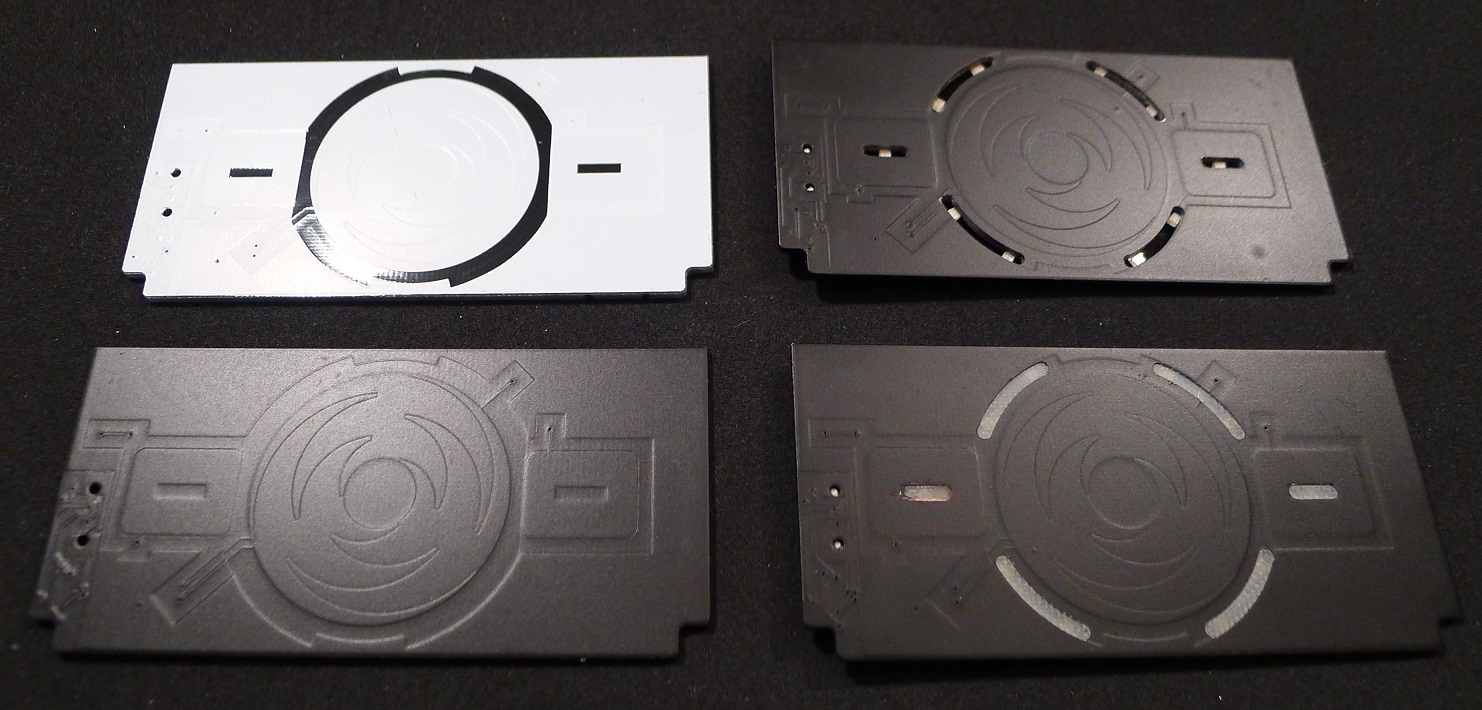
The Hackaday community offline password keeper is slowly coming together. A few days ago we received the top PCB for Olivier’s design (shown above). If you look at the picture below, you may see the problem we discovered when opening our package: the soldermask was the wrong color! Given the board is meant to be placed behind a tinted acrylic panel, this was quite a problem…

After using some spray paint, we managed to get to the point shown in the bottom left of the picture. The next task was to find the best way to illuminate the input interface with reverse mount LEDs. Using a CNC mill we machined openings (top right PCB) but also removed some epoxy on both PCB’s sides, thinking it would provide a better light diffusion. We then wrote part of the Mooltipass PWM code and took these pictures:

Continue reading “Developed On Hackaday: The Top PCB Dilemna”

DIY Linear Actuators For A Flight Sim

[Roland] has already built a few very cool and extremely realistic flight sims, but his latest project will put his current rig to shame. He’s building a six degree of freedom simulator based on homebuilt linear actuators of his own design.

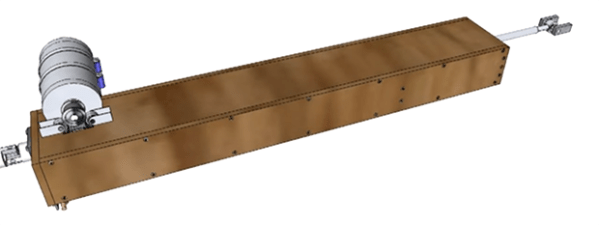
The actuator is powered by a large DC motor moving timing belts along the length of the enclosure. These timing belts are connected to a shaft that’s coupled to the frame with a few bungee cords. The bungee cords are important; without them, the timing belts would be carrying all the load of the sim – not a good thing if these actuators are moving an entire cockpit around a living room.

Also on [Roland]’s list of awesome stuff he’s building for his flight sims is a vibration system based on the BFF Shaker. This board takes data in from sim software and turns it into vibrations produced by either unbalanced DC motors or one of those ‘bass kicker’ transducers.

It’s all very cool stuff, and with all the crazy upgrades [Roland] is doing to his sim rig, he’s doing much better than paying $300/hour to rent a Beechcraft Baron.

Continue reading “DIY Linear Actuators For A Flight Sim”