A Homemade Electric Chair Reveals A Darker Side Of Hacking

Here is an example of what happens when someone is tempted to use their hacking skills for evil. Hopefully it goes without saying, but do NOT try this one at home.

When his wife asked for a divorce [Andrew Castle] obviously did not like the idea so got busy building himself a DIY electric chair, placing a metal chair in his garage he wired it up to a 240V 13 amp wall output with the intention of luring his wife to sit in the chair for “a chat”. Fortunately the story ends as well as any story involving something as foolish as a homemade electric chair can end. We are guessing that [Andrews] wife’s suspicions were initially aroused when she was invited to sit in the lone metal chair in the garage, whilst he stood behind her holding a rubber cudgel. After a brief struggle she managed to escape unharmed and [Andrew] is now facing 10 years in prison.

All questionable morals aside, from the brief description available it looks like there may have been a few holes in the logic (or lack of) behind the construction of the chair, for one circuit breakers come to mind.


G-men Pay [Kyle McDonald] A Visit

Looks like the men in black have paid [Kyle McDonald] a little visit. The United States Secret Service is investigating him for fraud and related activity for his People Staring At Computers project. We just took a look at that one yesterday, and were thankful that all he was doing was taking people’s pictures and not stealing their information. Looks like [Uncle Sam] wasn’t being as lenient–or it could have been Apple that did the complaining since mums the word from the corporate giant. [Kyle’s] also keeping his mouth shut after soliciting the advice of the Electronic Frontier Foundation.

Since details are scarce, it’s time to play armchair lawyer. Let us know in the comments what you think [Kyle] might be up against, and whether we’ll see this thing hit the courts or not. And remember not to take those comments as legal advice since none of us actually know what we’re talking about.

By the way, the gentleman seen above isn’t [Kyle], he’s one of the unsuspecting ‘victims’ with some wikimedia commons slapped in for effect.

[Thanks Craig, David, and others]

[Phillip Torrone] On Why All Makers Should Learn Chinese

phil_torrone_why_every_maker_should_learn_chinese

A while ago when he was working in China, [Phillip Torrone] started learning Mandarin Chinese in order to help him communicate more efficiently with his peers. Unfortunately, once he returned to the US, he slowly started forgetting most of what he had learned. He recently wrote a piece over at Make: explaining why he’s attempting to learn Mandarin once again, and why you as a maker should consider doing the same.

He starts off citing the economic trends which indicate that China’s global GDP share will likely bypass that of the US in a few short years. While the stats might be a bit boring he says, the rise of a new global superpower is nothing to shrug off.

Economic changes aside, he has found that through his workings at Adafruit and other tech companies, he is frequently being exposed to more and more Chinese on a daily basis. Between emails with suppliers, data sheets, and schematics, he says that learning Chinese is a must for makers.

What do you think? Do any of you full-time makers and hackers see the same trend in your jobs? Let us know in the comments.

Electronics Tutorial Two-fer: Soldering Skills And Wires

electronics_tutorial_twofer_soldering_skills_and_wires

There is a plethora of electronics tutorials scattered about online. Sometimes it can be hard to separate the good ones from the bad, and the enlightening from the misinformed. We recently came across a pair that we found helpful, and thought they would appeal to anyone starting off in electronics.

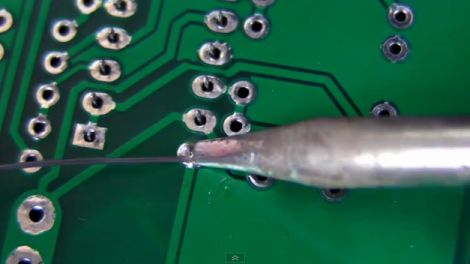
In this video tutorial, [Dave Jones] at the EEVblog covers soldering, detailing good practices and common mistakes to avoid when working with through-hole components. As the second video in a series he picks up where part one left off, excitedly demonstrating the ins and outs of good soldering skills.

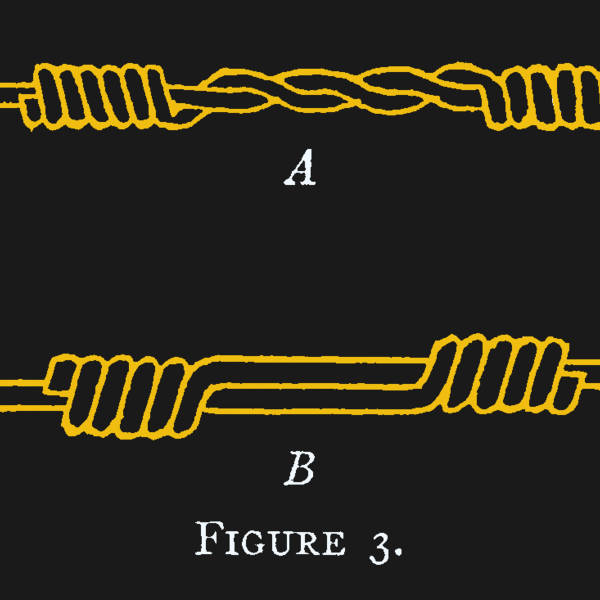
Hackaday reader [grenadier] is working on a series of beginner’s electronics tutorials, and this week’s entry covers wiring. He discusses wire types, gauges, and even provides a nifty self-computing chart that calculates power loss based on the length and gauge of the selected wire. Before wrapping things up, he briefly touches on fuses and the pitfalls of choosing wire that’s not up to the task at hand. While you’re over there looking over his tutorial, be sure to check out the Junkbox, there’s plenty of awesome stuff to be had!

Livescribe Shuts Down Developer Program

[Kelly] sent in a tip saying that Livescribe, the company behind a remarkable smartpen able to record handwriting, was shuttering the developer program by taking down their dev forums and removing the SDK, taking away the ability to write custom apps. [Kelly] posted about this on her blog.

Livescribe has a thriving community around it and the pens themselves have had some incredible hacks, like Zork played on an Echo smartpen.

Livescribe’s official reason for shutting down the development program is to concentrate on, “cloud access, storage and services.” While we’re still wondering why Livescribe would sideline the developers that give a platform more functionality, it’s astonishing that a company would take down the SDK and delete the dev forums of their own product.

Although the largest Livescribe development and hacking forum has been shut down, we fully expect an independent forum to pop up within the week. We’ll be sure to post a link to that forum when we get word of it. If you know where the new forum is, be sure to send it into the tip line.

New Conductive Ink Allows Circuit Prototyping With A Pen And Paper

roller_ball_circuit_drawing

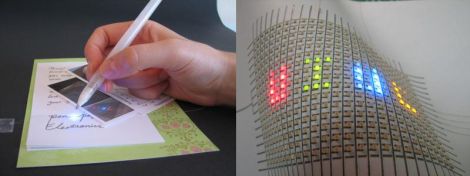
Why spend time etching circuit boards and applying solder masks when all you really need is a rollerball pen and some paper? That’s what University of Illinois professors [Jennifer Lewis and Jennifer Bernhard] were asking when they set off to research the possibility of putting conductive ink into a standard rollerball pen.

The product of their research is a silver nanoparticle-based ink that remains liquid while inside a pen, but dries on contact once it is applied to a porous surface such as paper. Once dry, the ink can be used to conduct electricity just like a copper trace on a circuit board, making on the fly circuit building a breeze.

Previous ink-based circuit construction was typically done using inkjet printers or airbrushing, so removing the extra hardware from the process is a huge step forward. The team even has some news for those people that think the writable ink won’t hold up in the long run. The ink is surprisingly quite resilient to physical manipulation, and they found that it took folding the paper substrate several thousand times before their ink pathways started to fail.

While we know this is no substitute for a nicely etched board, it would be pretty cool to prototype a simple circuit just by drawing out the connections on a piece of paper – we can’t wait to see this come to market.

Electronics Lessons For Beginners

electronics

Hackaday reader [grenadier] wrote in to share a series of tutorials he is working on, where he discusses the basics of electricity and electronics. The first lesson titled, What is Electricity?” has been wrapped up, and is available for free on his site.

For any of our regular readers, the lesson will seem pretty basic (and likely full of things to nitpick). However, we imagine his lessons would be quite helpful to anyone looking to expand their electronics know-how.

Now don’t get us wrong, we love the series of electronics tutorials that Jeri has been periodically releasing, but we think there’s plenty of room on the Internet for other willing teachers as well. If his first lesson is any indicator, his tutorials will be easy to understand, sprinkled with a little bit of humor, and chock full of fun videos that demonstrate the subject at hand.

Take a quick look his way if you get a chance – you or someone you know might find his tutorials and reference guides insightful.

[Image courtesy of Electronicsandyou]