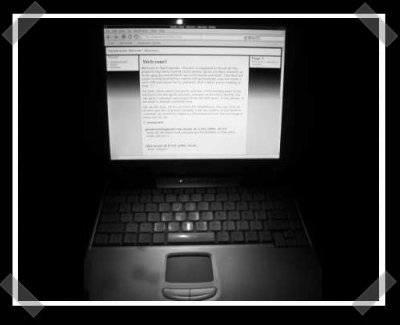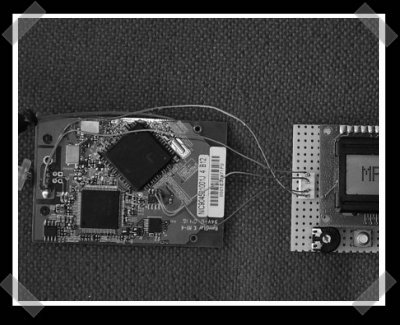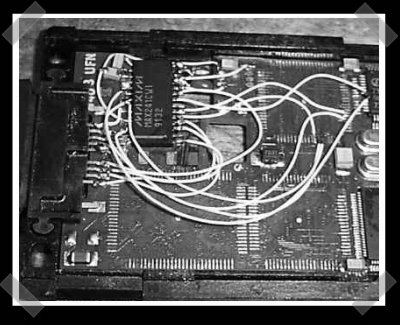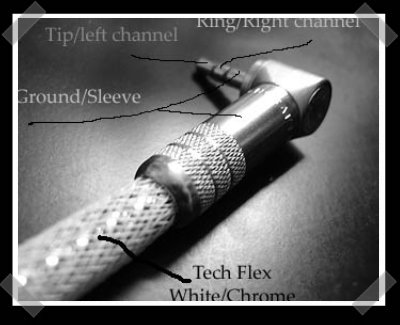
[ned]’s HandySwipe is a portable magnetic card reader. It runs on 4 AA batteries and collects data from track 2 cards. It uses a PIC 16F688 and displays the card’s data on a small LCD. It can store up to 50 cards and dump them in CSV format. It will also output the raw bitstream for use with Acidus’s StripeSnoop. Ned’s project write up is pretty interesting since he covers using a logic analyzer while swiping a card and driving the LCD with only three pins using a shift register.
Peripherals Hacks1563 Articles
Old Pen Plotter Converted To Vinyl Cutter
Vinyl cutters can be very expensive, so [vinyl hacker] decided to share with us the alternate route some people have taken. Here is what you need to get started: An old HP pen plotter with a serial connection. A compatible serial cable. A blade holder (Roland blade holders don’t fit). Some Roland vinyl blades. Cutting software like SignGo of DAHEDIsign. Vinyl (found in sign shop dumpsters). The main resource for these plotter/cutters seems to be luberth.com. It’s hard to navigate, but all of the info you need should be there. Now you can cut stickers, stencils, small signs for very little money.
Continue reading “Old Pen Plotter Converted To Vinyl Cutter”
Ergonomic Vertical Mouse
I love waking up and finding a great project from a reader like this ergonomic mouse (cache). As you can see from the picture, the centerpiece is the massive scroll wheel made from a VCR head. He credits jpaturzo for the idea. The inertia of the wheel gives a lot better sense of how fast you are progressing through a document than methods like auto-scroll. The mouse is assumed to be more ergonomic because it keeps the bones in your forearm in line. The hand rest on the mouse is formed from Shapelock.
How-To: Real Controls For R/C Flight Simulation
I’m sure many of you remember me recruiting a new writer to work with me on how-tos for Engadget. Will O’Brien was one of the many who answered the call and has been cranking out quality projects. Today’s is modifying a standard R/C transmitter for use as a computer joystick. This “trainer” can be used with flight simulation software so you can practice flying without risking your plane. This is the first step in a future project.
Check out Will’s previous posts: Surface mount soldering iron, Popcorn popper coffee roaster, and Scaling video for better HDTV viewing.
Continue reading “How-To: Real Controls For R/C Flight Simulation”
Hardware Keylogger
Keelog.com has a really concise description of how to build a PS/2 based keylogger. The main components are an AT89C2051 microcontroller and a 24C512 serial EEPROM. Once it is plugged in, the device begins recording all of the codes generated by the keyboard. The data can then be dumped using their keygrab software.
[thanks Boss]
Power Glove Mouse
Feeling a bit nostalgic, Hack-A-Day reader Brandon has been hacking on a Nintendo Power Glove. The original Power Glove was sold by Mattel as a unique controller for the NES. It used ultrasonic sensors to determine orientation and could detect four different positions per finger. The finger’s resistance varies depending on how much it is bent, so Brandon used an LM339 comparator to determine the mouse clicks. For the actual mouse interface he used the guts of a Gyration mouse. He’s got a video of the beast in action plus links to an original Power Glove ad.
Air Cooled Mouse Pad
Jared and Dan from Inventgeek have just posted their latest how-to: The air cooled mouse pad. They know that there are air cooled mice that you can buy, but why should you have to use an inferior mouse for gaming just for one feature? They decided instead to convert an Antec laptop cooler into the ultimate gaming mouse pad; One that keeps your hand cool and lets you use whatever mouse you prefer.