
Reverse Engineering Apple’s Mikey Chip

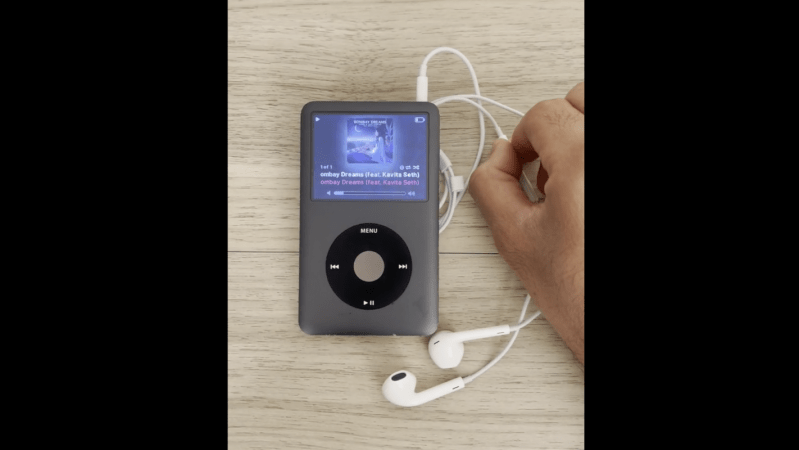
On the old iPods, generally referred to here in the future as iPod Classic, there lives a tiny, undocumented chip called Mikey. It sits at the headphone output and performs only two functions: powering the Apple wired headset microphone and handling button presses from the three buttons. Despite these headphones and iPods having existed for nearly two decades, no one in the open source community has figured out the protocol Apple used for these buttons until now.

As [Hemant] discovered after finding a single archived blog post from 16 years ago about it, the chip is relatively simple by modern standards. Besides handling microphone bias, it sits on an I2C bus and monitors presses from the three buttons on the headset. Each button has its own resistive load, so a press from any of them drops the voltage on the line to a certain amount which the chip can read. The more involved part is a “chirp” that’s a sort of handshake between headset and iPod, which took a bit of work with a debugger that [Hemant] built into a custom Rockbox firmware.

With the chirp sorted out, [Hemant] built the feature into an existing version of Rockbox, and submitted the update to the Rockbox team for integration in future official builds. It’s a long overdue feature for those still using wired headphones and iPods from the turn of the century, but welcome. Some of those iPods are still working to this day, but only conditionally if they’re very cold.
Raspberry Pi Zero Powers Spotify Streaming IPod

Even those critical of Apple as a company have to admit that they were really onto something with the iPod. The click wheel was a brilliant input device, and the simplicity of the gadget’s user interface made it easy to get to the music you wanted with a minimum of hoop jumping. Unfortunately it was a harbinger of proprietary software and DRM, but eventually there were a few open source libraries that let you put songs on the thing without selling your soul to Cupertino.

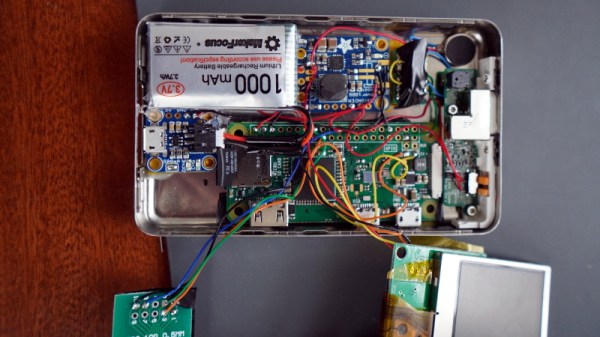
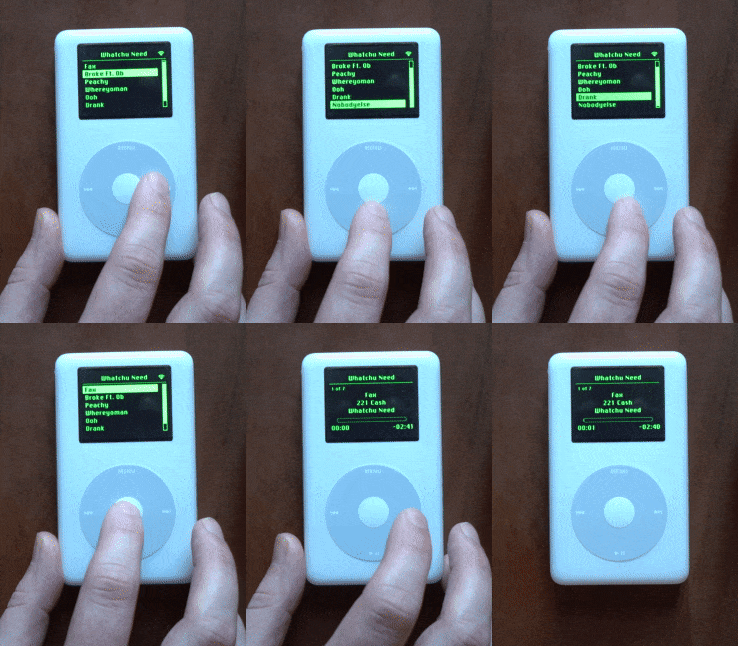
Of course, modern users expect a bit more than what the old hardware can deliver. Which is why [Guy Dupont] swapped the internals of his iPod Classic with a Raspberry Pi Zero W. This new Linux-powered digital audio player is not only capable of playing essentially any audio format you throw at it, but can also tap into streaming services such as Spotify. But such greatness doesn’t come easy; to pull this off, he had to replace nearly every component inside the player with the notable exception of the click wheel itself. Good thing the Classics were pretty chunky to begin with.

In addition to the Pi Zero running the show, he also had to fit a 1000 mAh battery, its associated charging and boost modules, a vibration motor for force feedback, and a 2″ LCD from Adafruit. The display ended up being almost the perfect size to replace the iPod’s original screen, and since it uses composite video, only took two wires to drive from the Pi. To interface with the original click wheel, [Guy] credits the information he pulled from a decade-old Hackaday post.

Of course with a project like this, the hardware is only half the story. It’s one thing to cram all the necessary components inside the original iPod enclosure, but by creating such an accurate clone of its iconic UI in Python, [Guy] really took things to the next level. Especially since he was able to so seamlessly integrate support for Spotify, a feature the Apple devs could scarcely have imagined back at the turn of the millennium. We’re very interested in seeing the source code when he pushes it to the currently empty GitHub repository, and wouldn’t be surprised if it set off a resurgence of DIY iPod clones.

We’ve seen modern hardware grafted onto the original iPod mainboard, and over the years a few hackers have tried to spin up their own Pi-based portable music players. But this project that so skillfully combines both concepts really raises the bar.

Continue reading “Raspberry Pi Zero Powers Spotify Streaming IPod” →









