
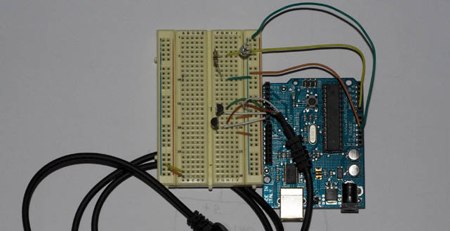
The people at [Hobby Robotics] decided to build a trigger circuit for lightning photography. There are more complex ways to do this, but they just used a photo transistor and an Arduino. The Arduino watches the photo transistor’s value and compares it to the previously captured one. If the difference is above a certain threshold, it means a rapid change in the amount of light has occurred, which triggers the shutter. An earlier post covered how to directly control the Canon 30d using an Arduino. All of this works because the shutter lag and code execution together are less than lighting’s 100ms duration.
photography213 Articles
Underwater Camera Housings
Underwater cameras can produce some amazing photography, but who wants to pay for housing if you can make something yourself?
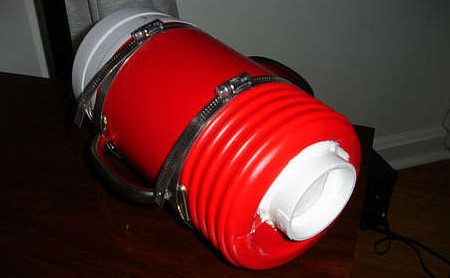
This underwater camera housing on Instructables doesn’t require a specific container, allowing you to choose anything you have around the house that’s watertight and large enough to fit your camera. A finger from a glove is added so you can still operated the controls. A similar project uses an insulated water jug, accommodating any camera that fits inside. Neither of these involve any camera mods.
Fiber Optic Flash Ring
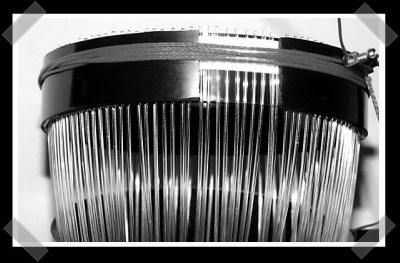
Ring lights that surround the lens are generally used for macro photography – they’re not cheap, but they’re one of the few ways to get shadowless photos. This fiber optic flash diffuser is based on the same ideas of this one. Rather than use a few large optic strands, [Joris] is using many, many more to decrease shadows as much as possible. His previous efforts are even more interesting. He built a LED version – with serial connected LEDs and a step up switching power supply to drive them. Then he moved on to cold cathode fluorescent before moving onto the fiber optics.









