3D Print This MRI Safe Torque Wrench If You’re Rich

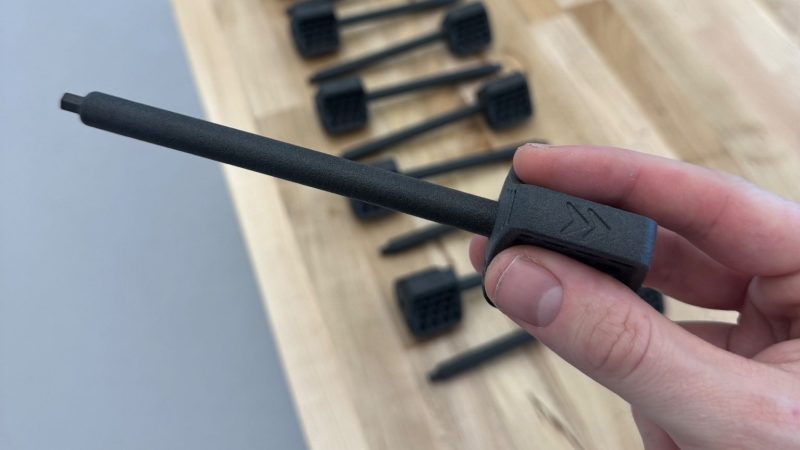
MRI machines come with a variety of safety warnings. Perhaps most importantly, you have to be very careful not to take ferrous metal objects anywhere near them, since strong magnetic fields can send them flying, causing damage and injuries. To that end, you might find yourself in need of magnetically-safe tools when working on such machines. [Sam Schmitz] recently whipped up a nifty example of an MRI-safe torque wrench himself.
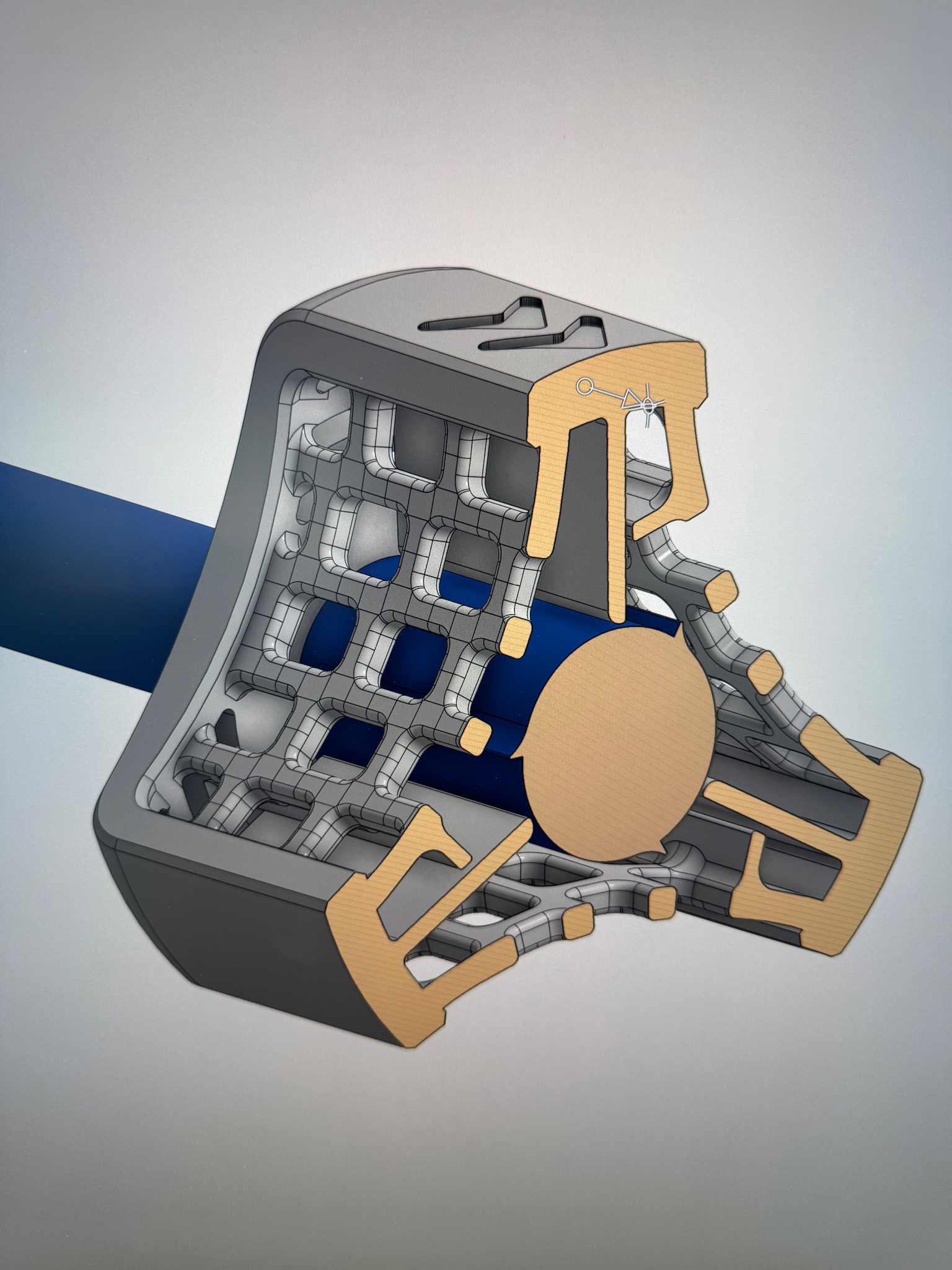
The torque wrench mechanism, which operates in one direction only.

It’s a 3D printed design which can be produced on a Formlabs Fuse 1+ as a single piece in nylon using a selective laser sintering process. The torque wrench works in a deceptively simple manner. As the handle is rotated, a flap  mates with the flat side of a fin on the shaft. This allows the shaft to turn. However, apply more than 0.6 Nm of torque, and the fin will eventually give in, snapping over the lip and stopping any further rotation that would over-tighten the fastener. [Sam] suggests these printed torque wrenches largely come out to the correct torque spec when printed, and can survive a thousand cycles or more while remaining in a usable spec.

The wrench does have one drawback though—it is apparently painfully loud to use. When the handle snaps past the detent, the “click” is quite piercing. [Sam] has measured the sound at up to 125 dB. Not exactly the best when it comes to ear safety!

If you work on MRI machines regularly, you already have the tooling to do your job. However, it’s neat to see that such a specialized tool can be easily and reliably 3D printed… with the slight drawback that you need a $60,000 SLS printer to do it. SLS isn’t readily available at the DIY level just yet, but it is slowly getting there. We’re waiting with bated breath.
A 3D Printed Ratchet That Can Really Take The Torque

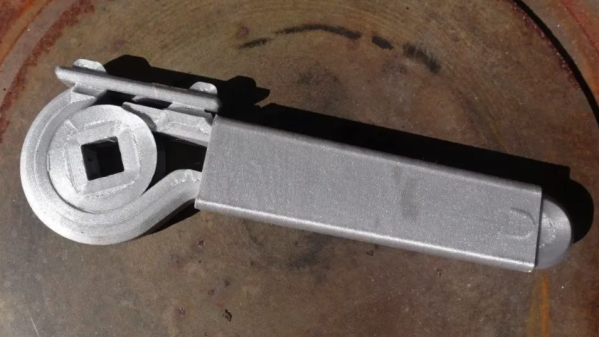
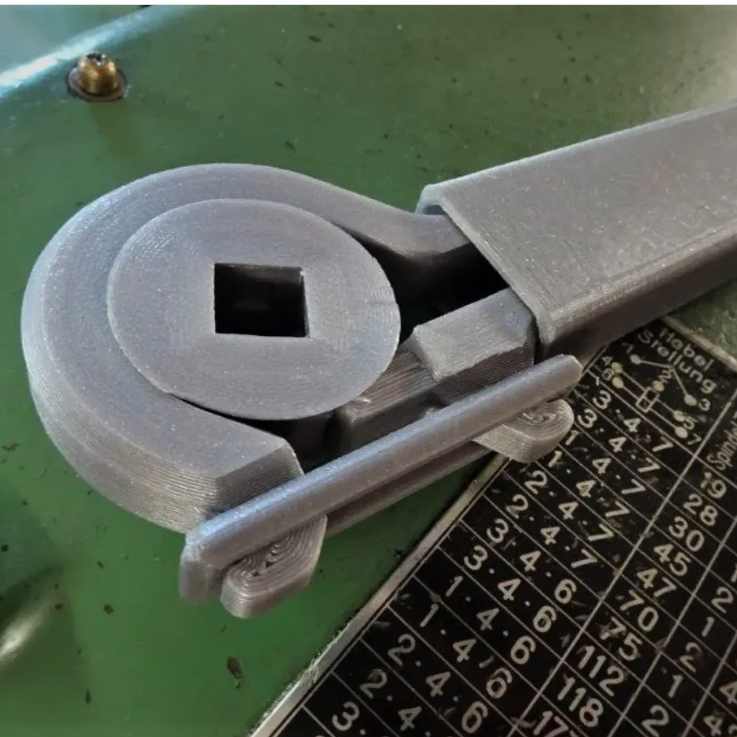
Printed tools aren’t exactly known for their durability, but [Gladius] shows us that with some thoughtful design, it’s possible to print a ratcheting wrench that can handle surprising amounts of torque.

Look closely, and you can see that the parts are almost entirely made up of perimeters (click to enlarge).

This particular wrench is inspired by NASA’s 3D printed ratcheting wrench, and also from an early 1900s design. It sports a 1/2 inch square socket into which modern adapters can be fitted, allowing those steel parts to do their job while the wrench itself delivers the muscle.

[Gladius] found that the strongest results came from slicing parts — especially the handle — so that they come out consisting almost entirely of perimeters, with virtually no traditional infill. Want to know more? There’s a discussion on reddit where [Gladius] goes into added detail about measurements and performance.

Over the years, we’ve seen our share of powerful prints. For example, what the Crimson Axlef*cker can do looks downright intimidating. Speaking of printing things that move, we want to remind you about this handy tip for easily and reliably joining motor shafts to printed parts by (mis)using jaw couplings.

Arbor Press Modded For Applying Specific Force

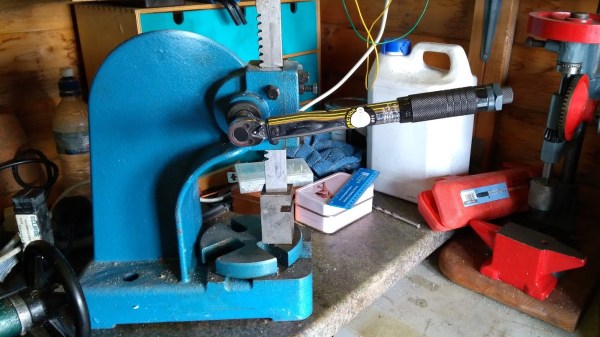
Arbor presses are simple and effective tools made for a particular task: exerting force in a specific spot. A 1-ton arbor press fits on a desktop and is very affordable, but doesn’t offer a lot of particularly fine control over the ram beyond lowering and raising it. [concreted0g] got to thinking about ways to gain more control and knowledge about the amount of force being applied, and made a simple modification to combine his press with a torque wrench.

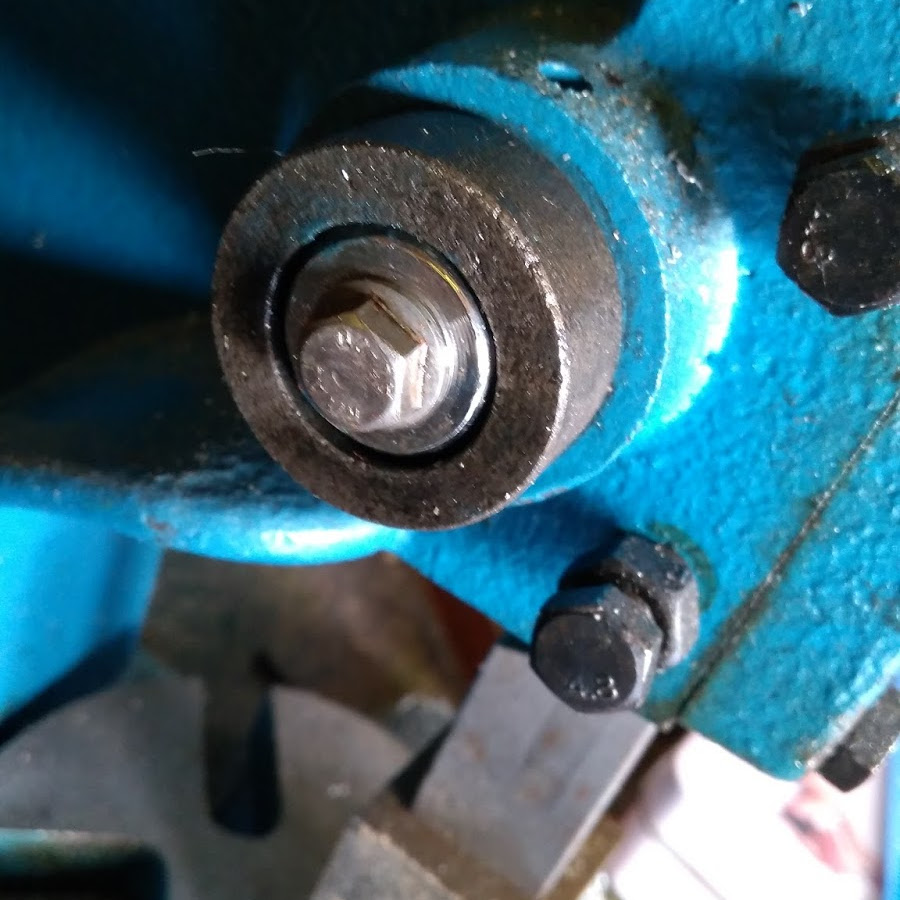
He removed the spindle which raises and lowers the ram, and drilled and tapped it to fit a bolt. Now, by attaching a torque wrench to the bolt and using the wrench as the handle for lowering the ram, he can take advantage of the wrench’s ability to break at set amounts of force. As a result, he has a repeatable way to accurately apply specific amounts of force with a tool that usually lacks this ability. It looks like this mod is limited to lower forces only (too much could shear off the bolt head, after all) but it combines two tools in an unusual way to gain an ability that didn’t exist before, which is great to see. Mods and presses seem to go very well together; don’t miss this DIY thermal insert add-on for an arbor press, and 3D printed dies for a press brake turned out to be remarkably durable and versatile, not to mention economical.