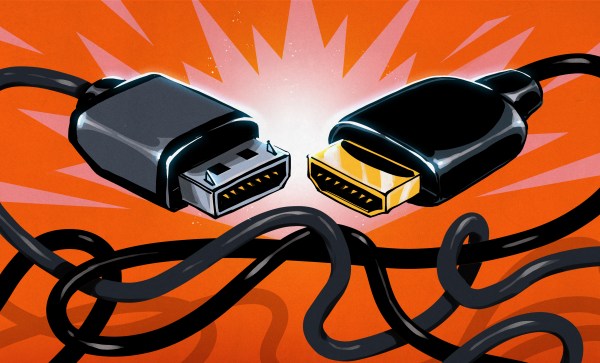
I don’t like HDMI. Despite it being a pretty popular interface, I find crucial parts of it to be alien to what hackers stand for. The way I see it, it manages to be proprietary while bringing a lot of the old cruft in. It doesn’t have a native alternative like DisplayPort, so portable implementations tend to suffer power-wise; the connector situation is interesting, and the HDMI Foundation has been doing some weird stuff; in particular, they are pretty hostile to open-source technology.
This article is not the place for such feelings, however, especially since I’ve expressed them enough in the DisplayPort article. We the hackers deserve to be able to handle the interfaces we stumble upon, and I firmly believe in that way more than in my right to animosity towards HDMI.
The HDMI interface is seriously prominent wherever you look, in part because it’s the interface created by the multimedia-involved companies for the multimedia-involved companies. Over the years we’ve had it, it’s been more than sufficient for basically everything we do video-wise, save for the highest resolutions.
It’s also reasonably simple to wire up, hack on, and even bitbang. Let’s go through what makes it tick.
The Core
HDMI is, at its core, three differential pairs for data, plus one pair to clock them and in the darkness bind them. It’s a digital interface, though it is a fun one. This makes it way more suitable for higher-distance video transmissions than interfaces like VGA, and as long as you stick to relatively low resolutions, HDMI won’t have as many asks in terms of PCB layout as DisplayPort might, thanks to HDMI link speeds scaling proportionally with the display resolution.
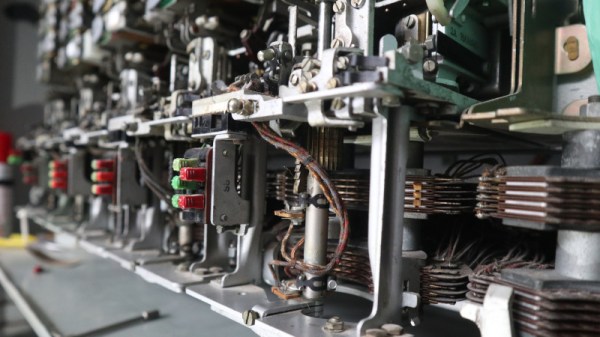
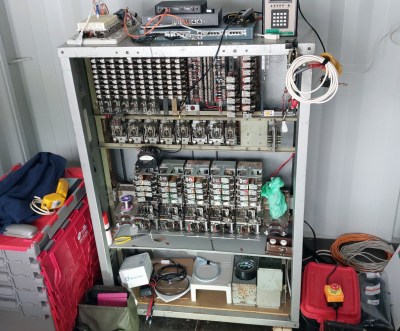 It stood at the back of the container, with a row of four telephones in front of it. We particularly liked the angular “Trimphone”, the height of 1960s and 70s chic. You could dial the other phones in the network with a two digit number, and watch the exchange clicking in the background as you did so. Some of the sounds weren’t quite the same as the full-sized equivalents, with the various tones being replaced by vibrating reeds.