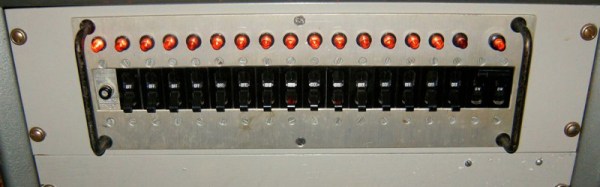
One practical use of large switches and indicator lamps is to make a power distribution panel which can be useful when you want to control and monitor the power consumption of numerous devices such as your electronics work bench or amateur radio station. Old-school in appearance and using military surplus electronics, this power distribution panel allows for control of outlet on back. Did I mention I built it when I was 16?
Building it was easy, 120 VAC line enters through a main breaker. It is fed through an AC amp meter (with built-in shunt) then to a line filter. From the line filter it goes to a line voltage meter and filament transformer to power the indicator lamps. This AC line is then bussed out to the circuit breakers. Each breaker controls one outlet on the rear panel. As devices are switched on or off the current draw can be measured. This is well demonstrated in the video overview found after the break.
Be creative. Use military surplus switches, indicators, and other unique looking hardware. Customize to give your preferred mad scientist look while also providing valuable functionality.
Continue reading “Become A Mad Scientist, Build A Power Distribution Panel”
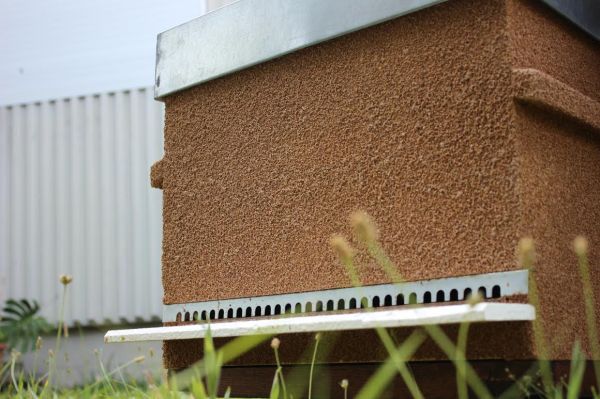
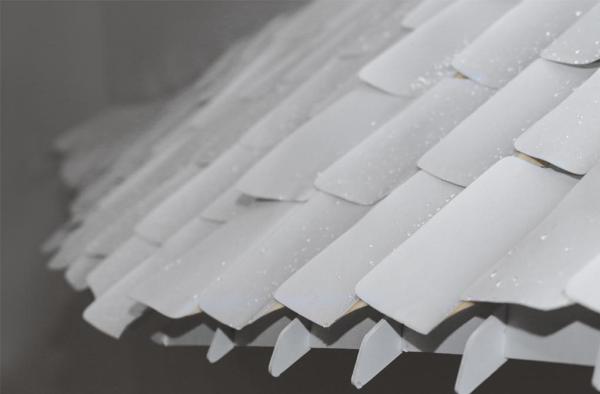
 As [Chao] points out, the material is only a prototype, but it looks like a winner down the road. The possibilities for an adaptive material like this are endless. [Chao] imagines a picnic pavilion with a roof that snaps shut when it rains, and has built a working model. What about window shutters that let air and light in but close up automatically in that sudden summer storm? Self-deploying armor for your next epic Super Soaker battle? Maybe there are more serious applications that would help solve some of the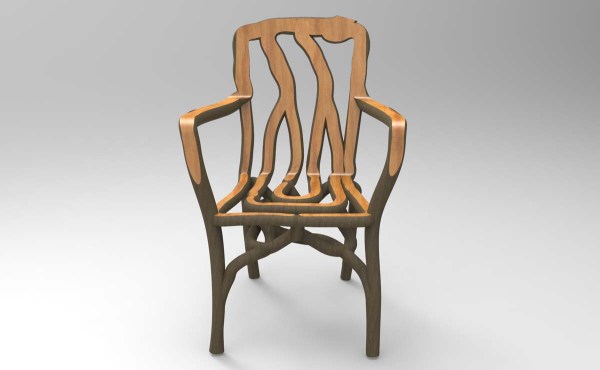
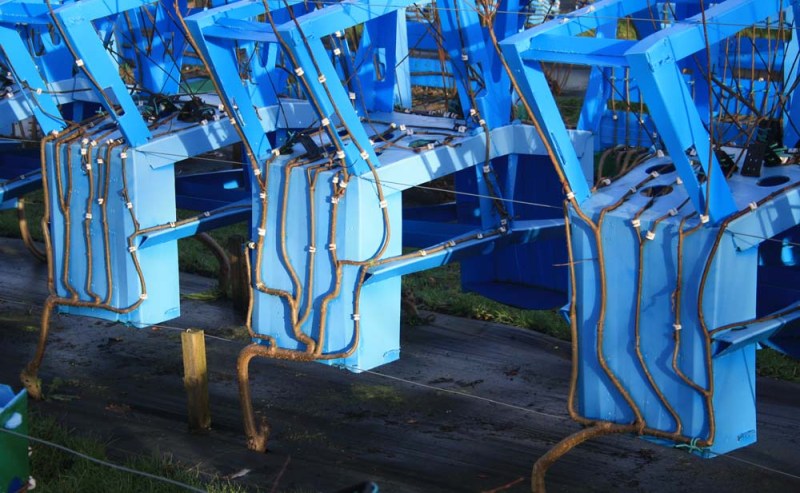 together to continue growing into one solid piece. When the chair is mature, the leaves are removed, the chair is cut free from the ground, and with a little seasoning and finishing, you’ve got a unique and functional chair. And what’s more, since it’s a solid piece of wood, there are no joints to loosen over time.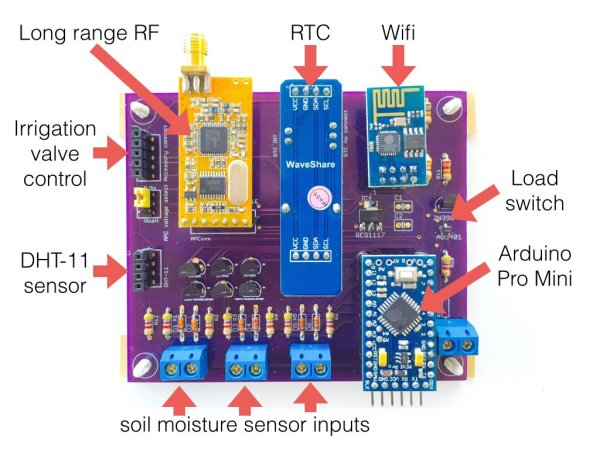
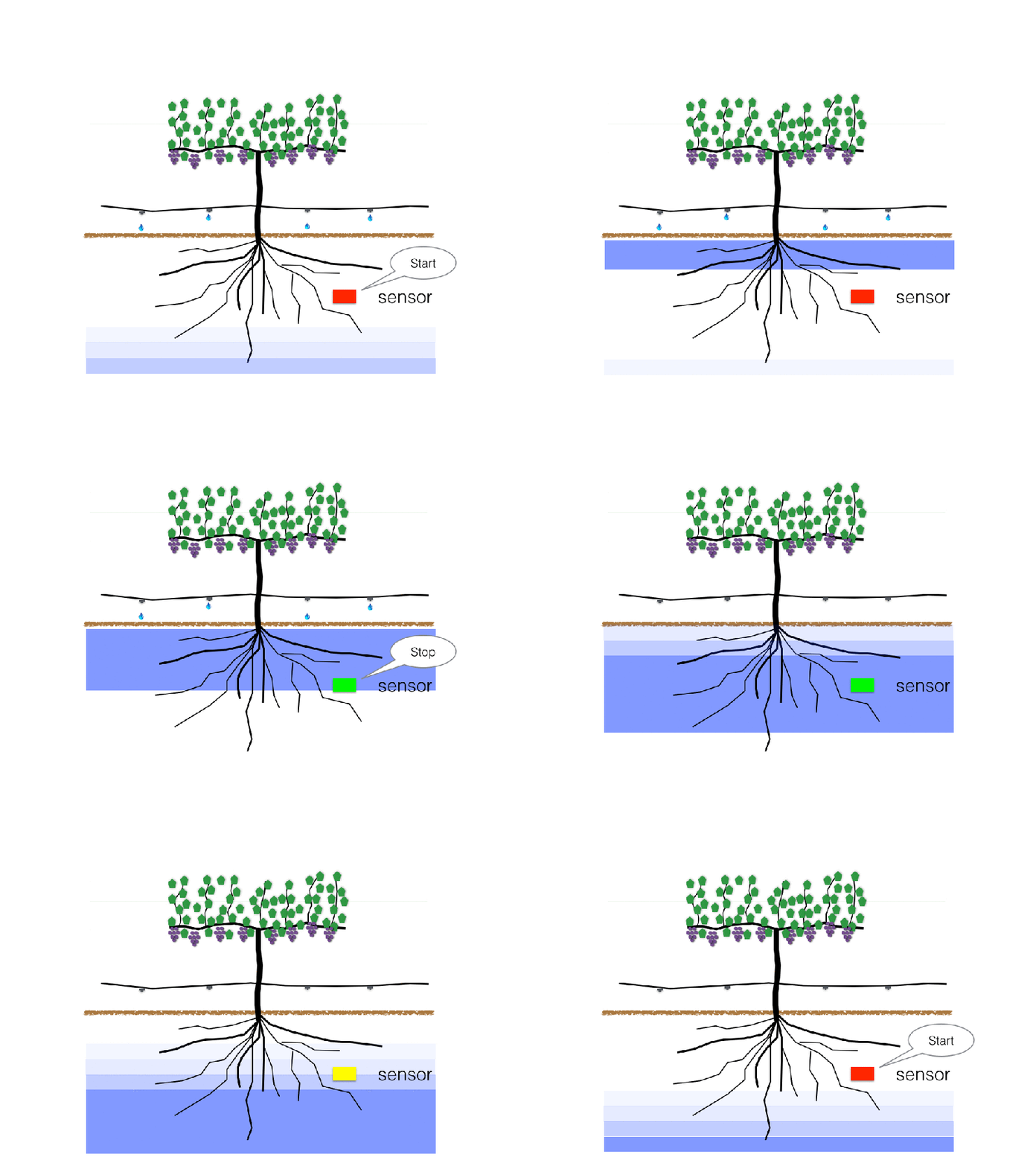 Its operation is straight forward. You put a water sensor in the dirt. You turn on the water. When the water hits the sensor, you turn the water off. This was not, however, the most efficient method. The problem is by the time the sensor goes off, the soil is saturated to the point that the plant cannot take it all up, and water is wasted.