
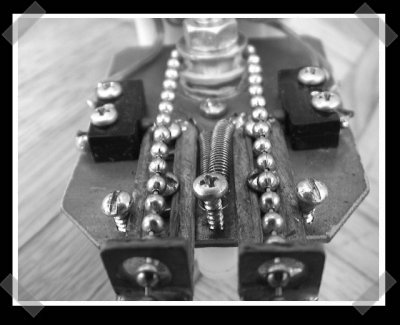
I was dredging my brain for interesting topics to cover and this vertical blind hack popped into my head. The page isn’t the prettiest, but it’s the hack that counts. The mechanism is constructed from PC board. A motor fitted with a ball chain drive gear pulls the chain in either direction. When the end of travel is reached, a micro-switch is triggered by the stand off that’s actuated by the chain. The motor is driven by a pair of relays that latch to form a simple direction control. When power is triggered on or off, the motor starts moving until the stop is triggered.
Misc Hacks4161 Articles
Hard Drive Clock (not A Lame Clock With A Hd Face)
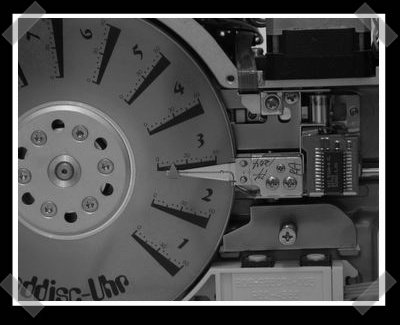
[Fred] sent in this awesome hard drive clock. Nope, just parts of a HD into a clock, but the actual drive mechanism and heads are used for this one. The arms move in and out to indicate minutes and the platter position is used to show the hour. It uses a 50hz clock, logic chips and some scrounged parts to get it all done.
Electric Screwdriver Antenna Tuning
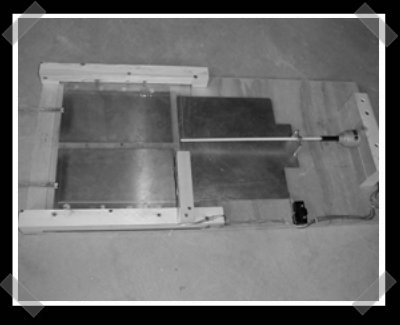
I just realized that we’d never covered the classic amateur radio antenna hack – known as the mobile electric screwdriver antenna. I was looking for a decent writeup, and ran across this interesting tunable indoor antenna. [W2BRI] put together a 5 foot cube loop antenna built from copper pipe. The tuning mechanism uses an electric screwdriver to tune his giant PC Board tuning capacitor. Looks like a nice solution if you’re into radio and have pesky neighbors.
Mega8 Logic Tester
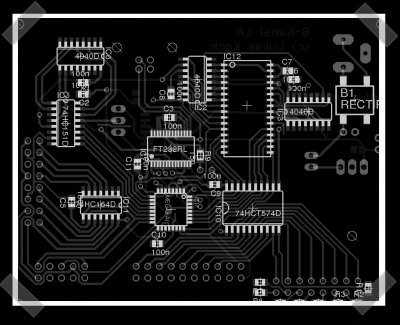
[Ast] sent in his time sampling logic analyser (in German, so use the fish) based on a Atmel Mega8 and a FT232 USB interface and several logic chips. It can store time captures in memory, then upload them to a PC via USB. Looks like a great tool for advanced logic testing.
Silvia PIC Controlled PID Looped Espresso Machine
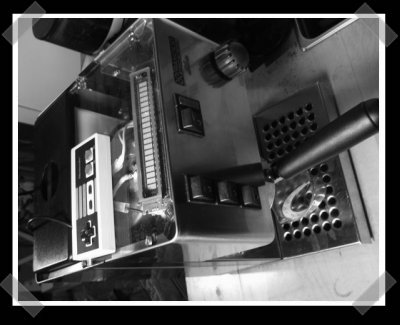
Last night I rebuilt my ECM Giotto with a new boiler. I’ve seen PID controlled machines before, but today I stumbled across this modded Rancillo Silvia. [Tim] replaced the internal brain with a PIC controller, added a NES control pad for input, a VFD display and a custom laser cut acrylic top. He used the PIC to provide PID control and PWM heater control with the usual solid state relays. I was leaning towards using a PIC for PID control myself, but then I scored my Giotto. (The heat exchanger and larger boiler makes it a bit of a moot point, but I’m still tempted to add PID boiler controls.)
A123 LiIon Battery Pseudo Extra

Every so often I have to slap myself in the head. I’m surprised that we haven’t covered these things by now. DeWalt’s been selling a LiIon 36 volt battery pack that’s full of the latest A123 cells. These are the same ones that were used in the Killacycle. (I think they’ve got a new batch of cells now).
A while back, [Jeff] sent in a circuit for using multiple packs, leaving the internal BMS in place. [The link is fixed now]
[Robert] sent in a scooter that’s been designed to run these same cells. The custom fabrication and machine work looks fantastic.
O-Scope Pong
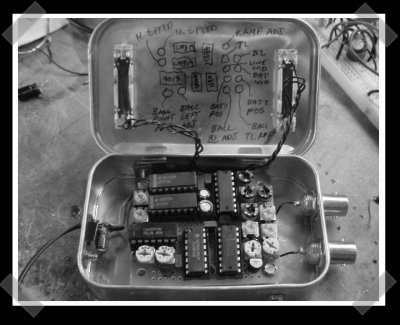
[Dylan] sent in this amusing use for an O-Scope. The entire thing was implemented using six chips – four logic chips, 2 op-amps and 13 pots. Hit the video after the break or check out the project page.









