OLPC Dual Booting


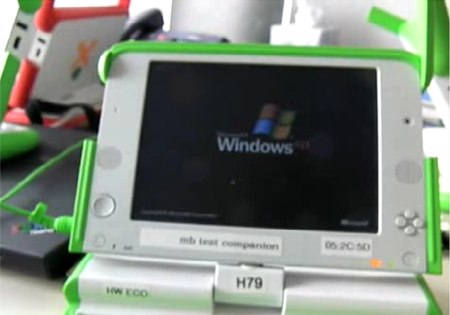
Gizmodo has the first ever footage of an OLPC dual-booting both its default OS, Sugar Linux, and Windows XP. The BIOS was not originally intended to boot XP, so it had to be modified for this to work. The XO’s screen flipper and directional buttons work in XP as well.

It’s not all good news, though: XOs are designed to be ultra-lean, packing a meager 256MB of RAM, which is hardly ideal to run XP. Booting it alone took an eternity, so we can’t imagine anyone doing anything practical with this. The machines will never ship with only XP installed.

Consumer Reports Releases Vintage Photos


Consumer Reports has just released this photoset of vintage photos of consumer product tests. It includes photos of conventional products like the one above (a portable hair dryer), but also some interesting tech that never took off, like a motorized scour pad and a record player for cars. The products depicted in the set are all from before the 1970s (and remember, a few machines from back then were able to do some pretty impressive things), so whether you’re into old tech for its own sake or you’re just looking for photography of really old tv consoles, get a look.

[via Laughing Squid]

MIT Mobile Cloud


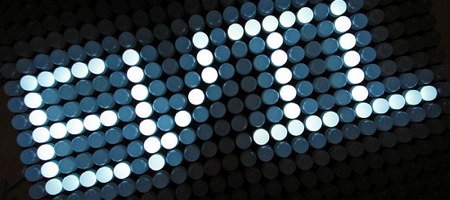
The MIT Mobile Experience lab has just developed this ambitious interactive installation called The Cloud. Located in Firenze, Italy, The Cloud is a sort of sculpture with over 15,000 LEDs and several miles of fiber optics. The tips of the fibers glow, but they also change colors in response to human interaction, including touching it or standing near it. The Cloud uses a combination of proximity and touch sensors to achieve this. It also has two cameras and a microphone, which allows it draw input from various sources and output a much richer, more organic response.

[via Cool Hunting]

Evil Mad Scientist Laboratories Turns 2


Evil Mad Scientist Laboratories is celebrating their second anniversary. They say they’re now 20 millicenturies old. To celebrate, they put together their greatest hits from the last year. We enjoyed their bristlebots, candyfabbing, and AVR business cards and hope to see their work for many more years to come.

Confessions Of A Wi-Fi Thief


A wry editorial on Time Magazine’s site about tapping into your neighbors’ Wi-Fi tells of how the author [Lev Grossman] stole internet access from his neighbors’ open networks for years. He finally decided to pay for his own connection, which he fittingly leaves on an open network. He makes the point that leaving it open is a violation of his TOS agreement, but he doesn’t seem particularly bothered by the notion of people tapping into his network.

[Bruce Schneier] takes an even stronger stance on the issue, suggesting that it is not only safe to leave your network open, but a matter of politeness toward your guests, similar to providing them with basic amenities. He also mentions that if your computers are not adequately secured, network security won’t make much of a difference. We tend to agree with [Schneier] on this: we also leave our network completely open.

That’s not to say [Grossman] doesn’t have a point about the unreliability of pilfered internet access, noting “I always seemed to lose connectivity just when I was about to send a crucial e-mail.” Sure, we leave our network open, but we have to pay for our internet access. We really can’t afford not to. One thing [Grossman] didn’t mention (neither did [Schneier], but he wrote his article before this happened), is that a Maryland bill that would criminalize leeching Wi-Fi has been shot down. The first legislation of its kind, the defeat of the bill mean citizens of Maryland are free to leech from open networks without fear of prosecution, but it sets a precedent that may influence future rulings.

HMD Try Out For Gizmodo Commenters


We had a decent response to our HMD post, but $400 might be a little too steep a price to pay for the Zeiss Cinemiser glasses. Luckily, Zeiss is offering registered Gizmodo readers the chance to try them out free for two weeks. All you have to do is comment on the Gizmodo post announcing the offer with a registered Gizmodo account, then fill out some information on a form Ziess has set up for this offer. Of course, you have to provide them with credit card information (just in case you break the glasses) and a great deal of feedback from the experience, but it’s far more preferable than shelling out $400 to find out you don’t like the glasses.