Mr. Modchip Ruling Released


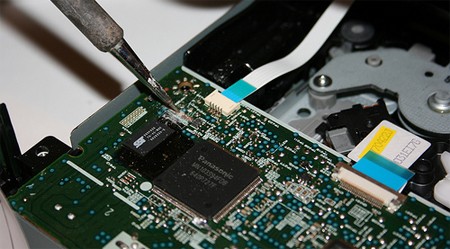
In an unexpected development, [Neil Stanley Higgs], aka Mr. Modchips, was cleared of his previous convictions in British courts for selling modchips for the Xbox 360 as well as modded consoles.

Notably, the prosecution did not argue that he infringed copyrights, but merely facilitated copyright infringement by selling modchips that circumvent the Xbox’s ETM. Since the copyright infringement argument was not made, existing law continues to hold sellers of pirated games and owners of modded consoles responsible for infringing the copyrights of game developers, as they are the ones who illegally copy the software. Pirated game sellers’ violation of the law is plain to see, but owners are still held responsible the moment they place the pirated disc into the loading tray and boot it up. The infringement in these cases occurs exactly when any part of the pirated game is loaded onto the console’s RAM, as this is considered another illegal copy.

[Higgs]’s charges hinged on whether the Xbox’s piracy prevention methods were intended to completely prevent pirated games from being played or merely act as a hindrance. The court felt it was the latter, and so they reversed the charges.

[via Xbox-Scene via Team Xecuter]
[photo: Raybdbomb]
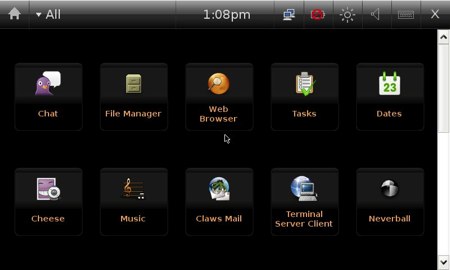
Ubuntu Released For MIDs


Ubuntu MID edition has been released for handheld Mobile Internet Devices. It’s targeting devices based on Intel’s A100/110 and the new Centrino Atom platforms. Successors to the UMPC, MIDs are usually small formfactor and have a touchscreen, plus a physical keyboard. UMPC portal has a examples of devices that are currently supported by this release, inluding plamtops like the Kohjinsha SH6. This release is only for x86 devices, so don’t expect it to be ported to the ARM based Nokia N800/810. The user interface is based on the Hildon framework and we’re glad people are attempting to think beyond a standard UI. We hope they plan on punching up the use of the color brown in the final though; it just wouldn’t be an Ubuntu release without it.

[via Linux Devices]

Charter Abandons Packet Monitoring Advertising Plan


Charter Communications has announced that it will no longer be attempting to target advertising based on user actions. The original strategy would have involved inspecting the contents of every packet sent or received by the customer. This usage pattern is associated with a specific IP and relevant ads are displayed on sites using NebuAd when that IP visits. NebuAd doesn’t directly share the IP, but we’ve seen in the past, even with obfuscation, a user’s search patterns alone have been known to give away their identity. The majority of all internet traffic is plaintext, but endusers have an expectation of privacy. User backlash is what eventually caused Charter to back down, but that doesn’t mean companies like NebuAd are going to be any less common.

[via EFF]
[photo: mattdork]

U.S. And China Host Majority Of Malware


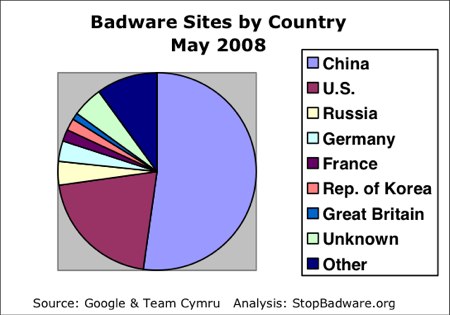
StopBadware.org has released their May 2008 Infected Sites Report(PDF). They took their current list of 213K active badware websites and resolved the IP addresses. These addresses were used to determine the network block owner and country. The results could be skewed to networks Google scans more often, but they should give a decent overall picture. China hosts 52% of all the badware sites while the U.S. has 21%. There weren’t any other countries maintaining over 4% of the total. They also calculated the number of infected sites per capita, which China also led. Last year’s report resulted in several AS block maintainers cleaning up to the point that they don’t even make the top 250 this year.

Citibank ATM PIN Heist Mystery Continues


For the last few months, the FBI have been investigating a breach of Citibank’s ATM transaction processing servers. We’ve seen credit card numbers get stolen before, but these compromised servers were used to collect card numbers and PINs as transactions took place. The group responsible hired people to write new cards and use them to make ATM withdrawals. The card makers would keep a percentage and launder the rest. This is just a very small part of story and the extent of the breach isn’t fully realised yet. Threat Level’s [Kevin Poulson] has the whole story on this disturbing situation.

[photo: Bryan Derballa]

Open Source Symbian


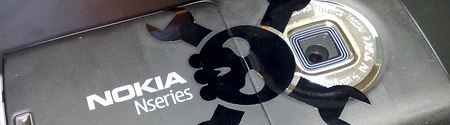
Nokia recently announced its plans to purchase Symbian and formed the Symbian Foundation with the intention opening the software platform over the next two years. Symbian is already present on 60% of all cellphones in the world. With such a massive install base, open source Symbian has a much better chance of taking off than platforms like Android, which are starting on the ground floor.

EFiX Dongle Still Not Available


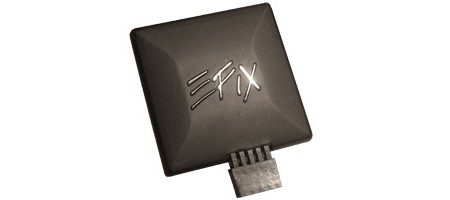
Well, it’s June 23rd, and still no dongle from EFiX. Despite a new product page on the company’s site, the OS X installing dongle is still not available for purchase. The USB dongle is supposed to facilitate the installation of Mac OS X by booting the Leopard install DVD on PCs, but so far no one has been able to verify this claim as no one has one of these in their hands yet. We’ve been covering this story since the beginning, and we’ll be sure to let you know when you can actually buy one of these.

[via Engadget]