
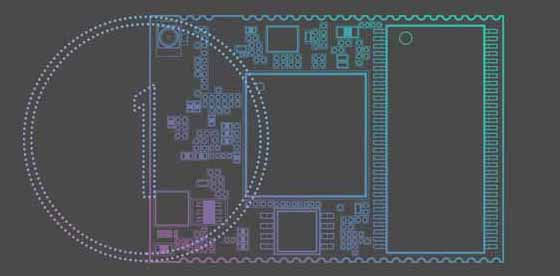
Using routers as dev boards has been a long and cherished tradition in the circles we frequent, and finally design houses in China are taking notice. There have been a few ‘Internet of Things’ boards in recent months that have taken the SoC found in low-end routers, packaged the on a board with USB, some GPIOs, and a fair bit of memory and called it a dev board. The ZERO Plus is not an exception to this trend, but it does include a very interesting feature when it comes to the development environment: this one uses Lisp as its native language.
The Zero Plus is pretty much what you would expect from a router SoC being transplanted to an Internet of Things board: it uses the Ralink RT5350 SoC, giving it 802.11b/g/n, has 32MB of RAM, 8 or 16 M of Flash, I2C, I2S, SPI, USB, two UARTs, and 14 GPIOs. There is support for a webcam, temperature and humidity sensor, displays, and Arduino via a breakout board that appears to contain a standard, DIP-sized ATMega328,
All of that could be found in dozens of other boards, though. What really sets this one apart is the Lisp development environment. Programming the Zero is exactly as elegant as you would expect, with a ‘toggle a LED according to what time it is’ program looking something like this:
(define LED_On (lambda ()(dev.gpio 11 "out" 1)))
 (define LED_Off (lambda ()(dev.gpio 11 "out" 0)))
 (define CurrentTime? (lambda ()
    (int (time.strftime "%H" (time.localtime (time.time))))))
       (define Night?
          (lambda ()
            (and
            (> ( CurrentTime? ) 16) (< ( CurrentTime? ) 23)
          )
       )
    )
 (if (Night?) (LED_On) (LED_Off)
Dev boards built around somewhat more esoteric programming language isn’t anything new; The Espruino brings Javascript to ARM microcontrollers, and the MicroPython project is an astonishing undertaking and successful Kickstarter that brings the BASIC for the 21st century to the embedded world. Lisp, though… I don’t think anyone expected that. It’s a great way to differentiate your product, though.


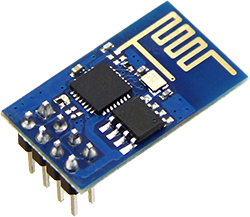 When we first heard about it a few weeks ago, we knew the ESP8266 UART to WiFi module was a special beast. It was cheap, gave every microcontroller the ability to connect to a WiFi network, and could – possibly – be programmed itself, turning this little module into a complete Internet of Things solution. The only thing preventing the last feature from being realized was the lack of compiler support. This has now changed. The officially unofficial ESP8266 community forums
 The project featured in this post is








