May The Phorse Be With You

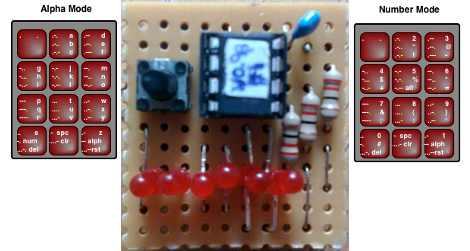
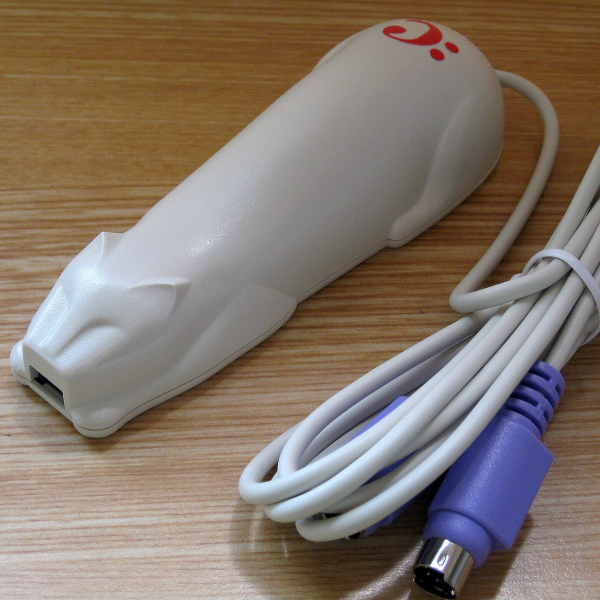
The PhorsePOV by [Julian Skidmore] almost slipped by, but we thought it was a nice easy hack for your Memorial Monday. The gadget uses an ATTINY25 to drive 6 LEDs aren’t standard characters 7 units high? Which when waved in the air produces a readable message. What we were really interested in is the use of a single button for text entry, called Phorse code, or an “easier to learn and remember” version of Morse code. While it seemed silly at first, most of us here could enter messages within a few minutes of trying.

Spinning Ball Of LED Awesomeness

[youtube=http://www.youtube.com/watch?v=sO2-tqoyGik]

Take a few moments and watch this 3 axis rotating LED light display fire up.  The final effect of being an RGB glowing ball is nice, but we’re fascinated with the structure. There are tons of great detailed pictures of the assembly on the forum thread to feast your eyes on. Just getting power to the LEDs was a feat, he passes their power through 6 slip contacts. Parts were pulled from an old VCR and some old fans.

[via HackedGadgets]

Lucid Dreaming

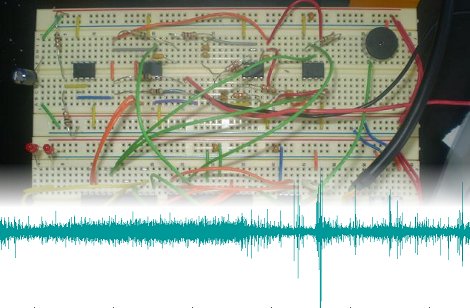
When we saw [merkz] use of an Arduino to produce lucid dreaming we were quite shocked. Unlike typical setups that just flash a light through sleep, his system monitors eye movement through electrodes and is able to send the data to a computer for graphing and analyzing.  The only problem being we couldn’t find a circuit diagram or code.

Not ones to be shot down so quickly, a Google revealed this thread on making ‘Dream Goggles’, which was really a Brain-Wave Machine based on the parallel port. Some modifications of an ECG collector’s electrodes using sound cards, and you could have your own lucid dreaming.

[Thanks Phil]

Cooling LEDs By Heating The Water Saves On Electricity

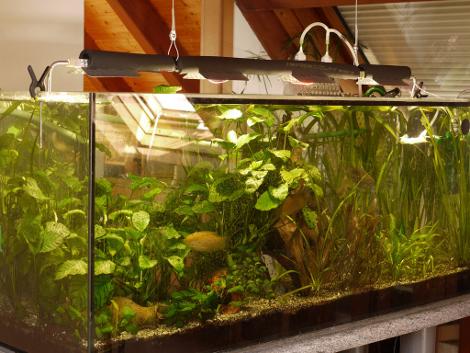
[Matthias] swapped out his twin-tube florescent aquarium lights for LEDs. By running tank water through the aluminum LED mounts he’s transferring excess heat into the water in the tank, in turn saving some of the electricity that would have been used to heat the tank. Couple this with roughly 35 Watts saved by moving away from fluorescent tubes and he’s got a great energy-saving hack. The LEDs used in the last aquarium light conversion were cooled by heat sinks and fans. We’d love to see this concept incorporated into that design.

Salty LEDs

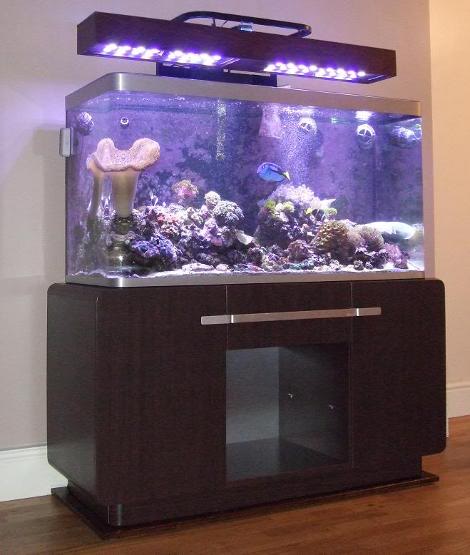
[Davross] pulled off an LED lighting build for his coral aquarium. The module consists of a wooden body holding a 3×16 grid of LEDs. They are mounted to heat sinks which themselves have cooling fans to help keep those puppies from melting. The system is controlled by an Arduino which allows for almost limitless lighting options. The photo above shows the LEDs running at 50%. He’s also taken some photos of the tank in “moonlight” mode. It’s a long and detailed forum thread but you can skip to some nice photos of the coral under the lights or details about the build.

[Thanks Passmadd]

Adding A Netbook Keyboard Light

[Vikash] was having trouble using his netbook in the dark so he added a keyboard light. He’s got a Dell Vostro A90 which is the same hardware as the popular Dell Mini 9. We agree that the condensed keyboard layout makes it hard to type without looking; just try to find the quotation mark, brackets, and tilde keys! He added an LED to the bezel around the LCD screen in order to shed light on the situation. Now the LED can be turned on using CTRL. An ATtiny13 microcontroller monitors pins 1 and 11 of the keyboard, waiting for the CTRL keypress, then turns on the light when it receives it. This hardware solution means it doesn’t matter if you’re running a Hackintosh (like he is), Ubuntu (like we are), or that other OS.

Unreasonably Bright Bike Light Apparently Hunts Deer

ureasonably-bright-bike-light

[Jukka] wanted a bike light that wasn’t afraid to go into the woods during the dark winter. He put together a lamp that uses eight 3 Watt LEDs to pump out 1680 lumens (english translation). The high power LEDs were mounted on a large aluminum heat sink and use lenses to optimize the beam of light. The system uses a 2 amp driver board that he assembled himself. Power is provided by sixteen AA Nickel Metal Hydride batteries that are housed along with the driver circuit in a water bottle.

This more than doubles the output of the last bike light we thought was too bright. Where will this lumen-arms-race stop?

[Thanks Sami]