The Oldest Windows App To Still Run On WIndows 11

In the open source world we are used to software being compiled from source for our particular distro, so while in a few cases an ancient release may still be in use, it’s just going to run on the latest distro version. But in the Windows world it’s rare for software to come with the source, so you’re left with a binary that will only run if your Windows version has the right APIs for it. Since the more recent versions of Windows dropped 16-bit support a while back, that means there must be a hard date set on the earliest Windows GUI application that can still run today. [Enlyth] decided to investigate.

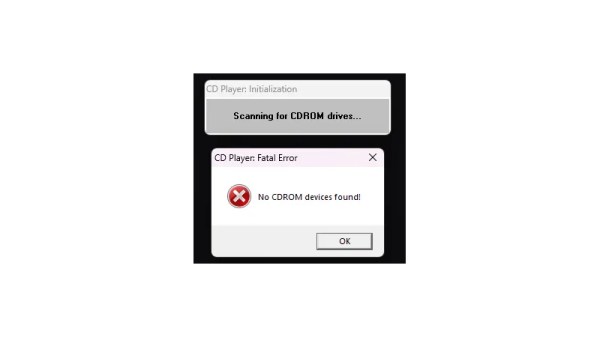
Given that the earliest API supported in WIndows 11 is the 32-bit version, the hunt led straight to either the first Windows NT release and ancestor of Windows 11, or the Win32s extension for WIndows 3.1. Thus a 1993 Win32S version of Freecell runs happily, but that want’s the end of the trail. Somewhere in the pre-release builds of Windows NT 3.1 would be the requisite binary, but there’s a snag. Early Windows NT 3.1 APIs were incompatible with later ones. This led through a lot of crashing binaries to a November 1992 version of the CD player app, that ran because it called a DLL which happens to still be present. The need for another DLL to emulate a CD drive speaks volumes about the progress of the PC world, back then they were the last word in storage but who’s got one now?

That’s the earliest official binary to run, but the story’s not quite over. Windows 11 may not have a VDM to run 16-bit apps, but there’s a WINE VDM for that. Behold, Reversi from Windows 1.01 in November 1985, in Windows 11. Your ancient software may yet be saved.

Lotus 123 For Linux Is Like A Digital Treasure Hunt

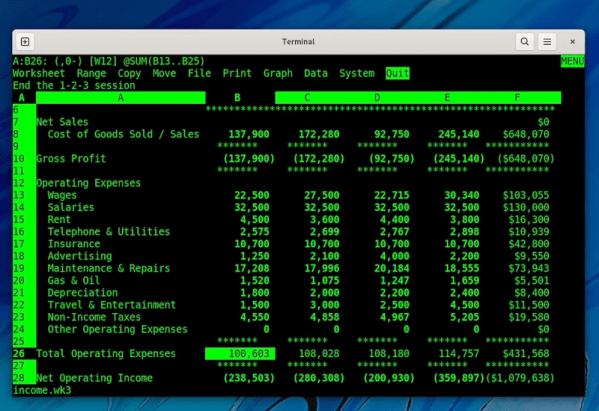
Ever hear of Lotus 123? It is an old spreadsheet program that dominated the early PC market, taking the crown from incumbent Visicalc. [Tavis Ormandy] has managed to get the old software running natively under Linux — quite a feat for software that is around 40 years old and was meant for a different operating system. You can see the results in glorious green text on a black screen in the video below.

If you are a recent convert to Linux, you might not remember what a pain it was “in the old days” to install software. But in this case, it is even worse since the software isn’t even for Linux. The whole adventure started with [Tavis] wanting to find the API kit used to add plugins to Lotus. In theory, you could use it to add modern features to the venerable spreadsheet program.

The $395 software development kit wasn’t very common and there was also a Unix version of Lotus 123, but no one seemed to have a copy of that. [Tavis] eventually found someone who ran a circa-1990 BBS and had the data on tape. Turned out there was a hot copy of the SDK that he was able to use. But he noticed something else in the BBS’s list of files: the long-lost Unix version of Lotus!

An investigation found the installer used TD0 files which took some research. Luckily, a utility exists that can convert these to raw disk images. Inside was a very large object file. Apparently, in the days without dynamic loading, that object would be linked with plug in modules to install them.

The object file had all of its debugging information intact which shed a lot of light on the program’s internal operations. The old executables used COFF format but it is possible to relink it to an ELF file. Of course, it isn’t just that easy. [Tavis] wrote a small program to remove the old-style Unix system calls so they could be rerouted to Linux system calls. Some calls just pass through, but others need some translation due to differences in things like structure layout, sizes, and alignment.

In the end, it all worked but didn’t have a valid license. However, [Tavis] felt like since he did have a license and the software is abandoned, he was within his rights to crack the license check.

We are well-known abusers of spreadsheets around here. Of course, we aren’t the only ones.

Continue reading “Lotus 123 For Linux Is Like A Digital Treasure Hunt” →