Hack A Day T-Shirt Contest Winner

Congratulations to [John Keppel] for his winning t-shirt design. He wins a Dash Express, an in-car navigation device with both cellular and WiFi data support. It’s running Linux on top of the Openmoko FreeRunner’s hardware platform; yes, [John], we do expect you to hack it. We’ll let all of you know when we plan on putting the shirt into production. Thank you to everyone that entered!

Hack A Day Fail Contest Winner

We had a lot of entries for our Fail contest; there can only be one winner though. We liked [Gordon LaPlante]’s entry pictured above most of all. It’s big, it’s broken, and it’s black and white; that certainly sounds like us. [Gordon] wins $100 worth of No Starch Press merchandise.

There were plenty of other honorable entries. You can view them in the Hack a Day Flickr photo pool. We saw a couple themes emerge during the contest and have highlighted some of them after the break. Continue reading “Hack A Day Fail Contest Winner”

Hack A Day Fail Whale Contest

We’re back! There may be a bit of oddness for the next few days. Our Fail Whale contest is still running and we’ve received over 100 entries so far. Here’s how you can participate:

While we’re adding more hamsters to our server power plant we thought we’d hold a little art contest. Whenever Twitter goes down, they post the iconic Fail Whale. The Fail Whale has become so popular that it has spawned a dedicated blog and many many art projects: embroidery, tattoos, and laser cut models.

We want to see what you think Hack a Day failure looks like. Create an illustration, photo, sculpture, anything that you think embodies Hack a Day failing. Send your entries to hackaday.fail@gmail.com and add them to the Hack a Day photo pool. The prize is $100 for you to spend in the No Starch Press store. Entries are due 00:00PDT Saturday September 6th 2008.

[image: Bjonnh]

The Underhanded Hardware Challenge

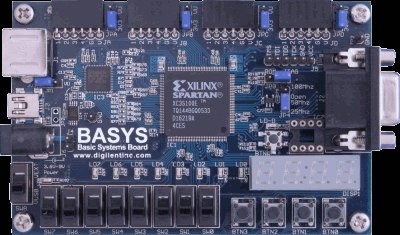
The Polytechnic Institute of NYU is hosting an interesting embedded systems contest. They’ve constructed a solid state cryptographic device that uses a 128-bit private key. Contestants will be tasked with designing and implementing several trojans into the system that will undermine the security. The system is built on a Digilent BASYS Spartan-3 FPGA board. The trojans could do a wide variety of things: transmitting unencrypted, storing and transmitting previously entered plain text, or just shutting down the system entirely. The modified devices still need to pass the factory testing procedure though, which will measure power consumption, code size, and function. After a qualification round, participants will be given the necessary hardware to compete.

[via NYC Resistor (Happy Birthday!)]