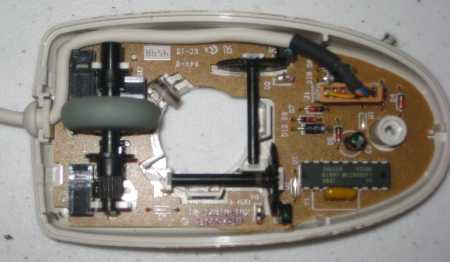
How-To: Scavenge A Mouse For Parts

ps2 mouse opened
Chris Kiick posted about swarm robotics earlier in the week and today publishes his first Hack-A-Day How-To.

Old computer mice are being abandoned in droves. They’re tossed out because of dirt, obsolescence, or for being entirely too beige. Anyone who has a computer usually has more than one mouse and you can get them for pennies, if not free just for asking. Fortunately for the discriminating (read: cheap) hacker, these little widgets are chock-full of project parts. Today’s How-To will dissect a computer mouse, extract the useful parts, and give some ideas about how to use them.

Continue reading “How-To: Scavenge A Mouse For Parts”

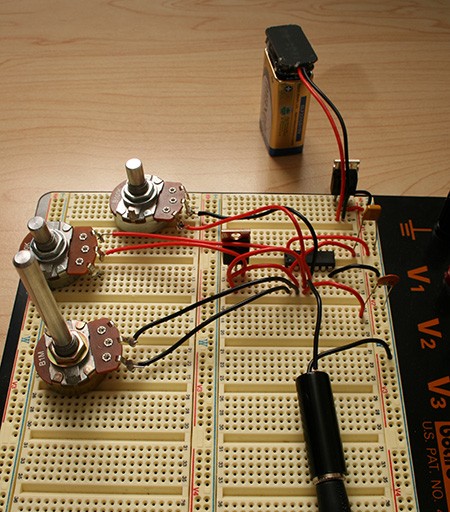
How-To: Make A Digital Synthesizer

This week’s How-To comes from our newest contributor: Logan Williams.

This simple guide will show you how to build a digital synthesizer that generates and manipulates square waves. Your synthesizer will have one oscillator, which produces a variable pitch controlled by a potentiometer, as well as an LFO which modulates that pitch at a variable frequency. The part count for this project is quite low, and it can be built for under $20.

Continue reading “How-To: Make A Digital Synthesizer”

How-To: Where To Find Parts For Your Projects


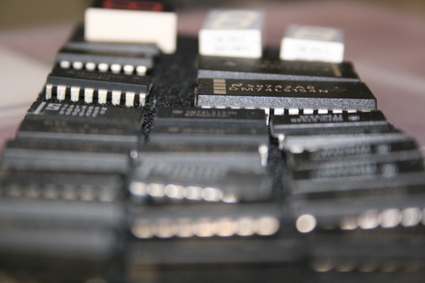
Hunting down the right parts usually takes more time than soldering everything together. I can’t count the number of projects that I tried to build and couldn’t find some key component that’s no longer made. You can help put together a list of suppliers at the end, but the idea is to have a quick reference to get your projects rolling (saving your money for important things, like espresso). Even if you’re familiar with the usual electronics parts shops, chime in to help me create a list of the best suppliers to fuel those hardware hacking projects.

Continue reading “How-To: Where To Find Parts For Your Projects”

How-To: Replace A Mini USB Port (on Your Cellphone)


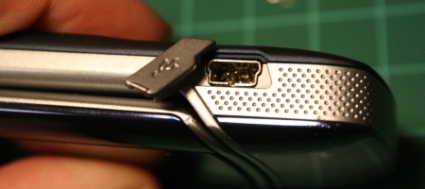
At some point, just about everyone manages to mess up their precious electronics. In this case, someone (not me) somehow managed to totally demolish the mini USB port in their new Motorola cell phone. Surface mount repairs can be challenging without some serious tools, but it’s possible to replace parts without a re-work station. (Guess what I’m getting for Christmas this year.) Today I’ll show you that’s it’s possible to repair a surface mount part with some fairly inexpensive tools.

Continue reading “How-To: Replace A Mini USB Port (on Your Cellphone)”

Followup: Soldering How-To


The response to the soldering How-To was fantastic. You guys seem to want more and we’re looking forward to bringing you more How-Tos in the near future. If there’s a specific topic you’d like to see, let us know and I’ll see what we can do.

[justin] suggests picking up a flux pen with your next electronics order. I’ll probably take him up on that idea. [xrazorwirex] suggests using a pure form of alcohol like everclear for cleaning boards. I keep a few bottles of tape head cleaning solution – it won’t leave residue like rubbing alcohol and you don’t have to be 21 to buy it. [MattS] suggests cutting your leads and then soldering to prevent corrosion later on. This usually isn’t a problem for small projects, but it’s a good idea for anything that’ll see a less than ideal environment later on. [Josh Malone] is fond of his Hakko 936 soldering iron. I have to agree with everyone that a temperature controlled iron is the way to go. I was very happy with my Tenma which lasted well over 10 years. [David Moisan] suggests buying purpose made soldering sponges from MCM to preserve the plating on your soldering tip. Considering the varied contents of kitchen sponges, this is definitely a good idea. [Forrest M. Mims III] freaked me out a bit when he commented on the post – he notes that he taught his son to solder when he was 4 years old! I’m a bit more conservative, but lets be honest – I learned how to solder from his books when I was a kid.

How-To: Introduction To Soldering

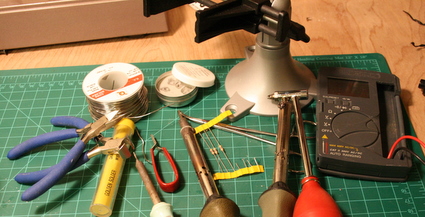
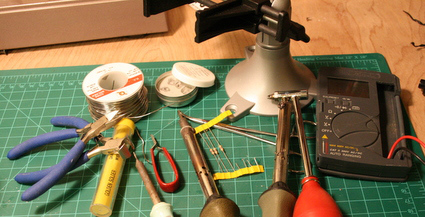
It’s been a while since we’ve had a fresh How-To on the Hack-A-Day, and frankly we’ve missed them. To get things rolling, [Eliot] and I wanted to build a good knowledge base to help you hack your own stuff. I know that soldering won’t be new to many of our readers, but everyone has to start sometime. Our hope is simple: that this new series of How-To’s will help inspire new and experienced hackers alike.

Continue reading “How-To: Introduction To Soldering”