
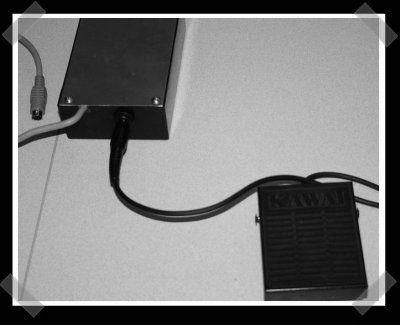
[iank] is tired of reaching for his mouse to use the scroll wheel, so he built SMIP. He modified a musical sustain pedal (momentary on switch) to output an unused key combination. Then he mapped the key combo in X-windows to let him be extra lazy. There are plenty of ways to map keys – usb keypads, etc, but this is the first time I’ve seen anyone try to replace a mouse command with a foot pedal.
Peripherals Hacks1579 Articles
Add USB Ports And A Flash Drive To You UMPC
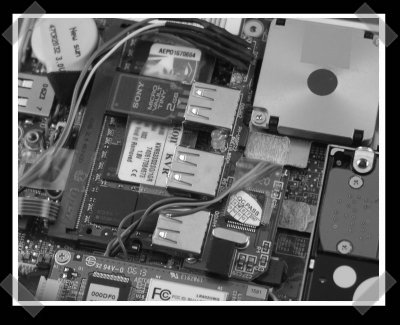
[ThoughtFix] sent in our first ever UMPC hack. It’s along the lines of laptop mods we’ve seen before, but he deserves credit for opening up the already tightly packed inside of his UMPC, tapping the USB interface on his bluetooth card, adding a hub and an internal usb flash drive to provide readyboost to speed up Vista.
UClinux Based Embedded Asterix PBX
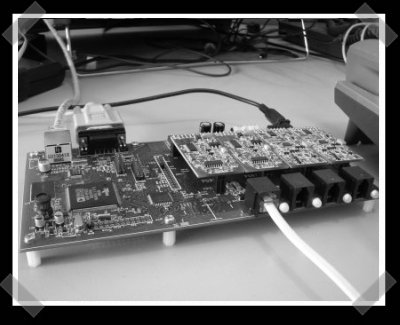
In my quest for a new VOIP setup (I’m hunting for a new sip provider – got suggestions?) I ran across an excellent project that’s been put together by [David]. It’s a four port open source asterix PBX that runs under UClinux. He derived the design from a BlackfinOne (A dedicated UClinux board). He covers building the IPO4 in four parts series that starts here. It’s probably one of the more intense open source hardware derived projects I’ve run across.
Black Hat 2007 Other Wireless
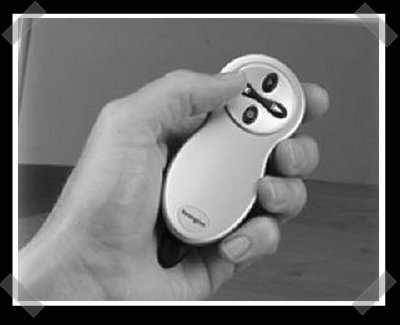
Luis Miras presented “Other Wireless: New ways of being Pwned”. Instead of common con topics like Bluetooth or WiFi, this dealt with the cheap radios used in wireless keyboards, mice, and things like the wireless remote pictured above. These RX/TX pairs are found in 27MHz, 900MHz, and 2.4GHz versions. The devices all use the same main components: a microcontroller, an EEPROM for storing the serial number, and the transmitter. The dongle is nearly the same only with a receiver.
Emailing Typewriter
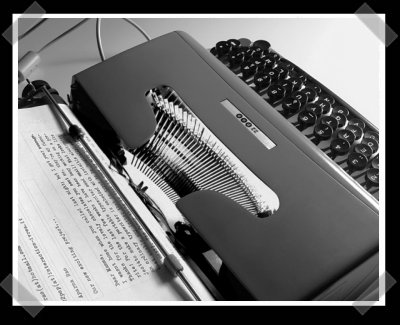
This innocent typewriter was modded to act as a keyboard and typewriter. The idea is to remove the computer interface from the process, giving a user the ability to interact via email but avoid computer frustrations. (The idea came from the creators mothers frustration with computers) Thanks to [BBCmicro] for sending it it.
Turntable Mouse Interface
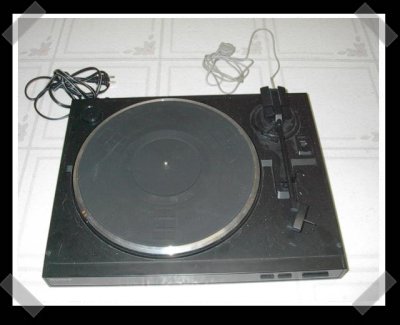
Despite digital mixing, some guys just love their old turntables. TerminatorX has one concept: allow users to scratch music like it’s on vinyl. Some guys hate using their mouse for it, so they’ve been connecting mice to their turntables. Some use belt drives, other use optical sensors up top. Thanks to [Dylan] for the tip.
Automatic Cable Modem Power Cycling
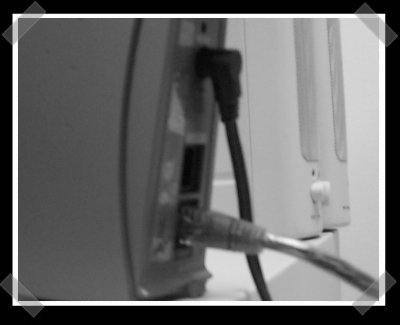
If you’ve got a cable modem, you know the drill when it goes offline. Unplug it, wait 30 seconds, plug it back in, reset your dhcp request. I’m pretty sure that [brian] mentioned this in a comment a while back, but now he’s written it up. He’s using a cron job on his linux box to check the internet connection, and if the test fails, power cycle the hardware with some X10 hardware and a little scripting. (Just don’t tell your friends or they’ll be outside trying to guess the code.)









