Payphone Tag Is Australia’s New National Sport

Australia’s payphones are an iconic part of the national landscape, even if they’re not as important as they once used to be. However, they’re having a resurgence of late, in part thanks to a new national pastime—the sport of Payphone Tag!

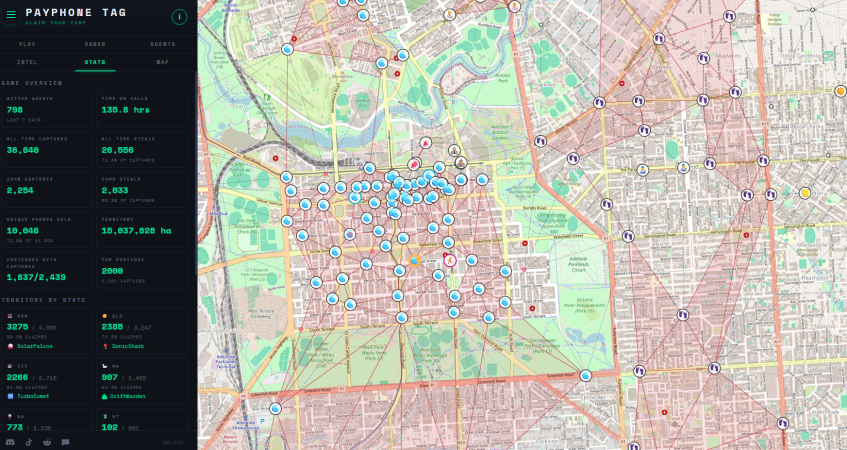
Created by [Alex Allchin], the game is simple. To play, you first sign up on the website and get your emoji and 5-digit PIN. You then go out and find a payphone, dial the Payphone Tag number, and enter your PIN when prompted. This lets you “capture” the phone, raising your score in the game. If a phone is already captured, no matter—just head out there, dial the number, and key in your own PIN to steal it. You can also push your score even higher by capturing three payphones in a triangle on the map to get bonus points.

It’s a fun geospatial game that’s also free to play, because Telstra made payphone calls free back in 2022. It might cost you a bit to get out to some phones, but there are plenty you can reach with the aid of free public transport at the moment, anyway. Protip—at the time of writing, there are a ton of easy captures to be had on Kangaroo Island. It might just cost you a pretty penny to get out there. Have at it!

We’d love to see some stats from Telstra as to whether this is making a dent in overall payphone usage rates. In any case, there were 800 players in the last 7 days and a full 36,640 captures so far, so a lot is happening out there. We fully expect to see this concept spread to other nations in turn, though it might be less attractive in places where you still need to dig out a coin to make a call.

We’ve featured a few payphone hacks over the years. If you’re doing something rad with these telecommunication devices of yesteryear, we’d love to hear about it on the tipsline.

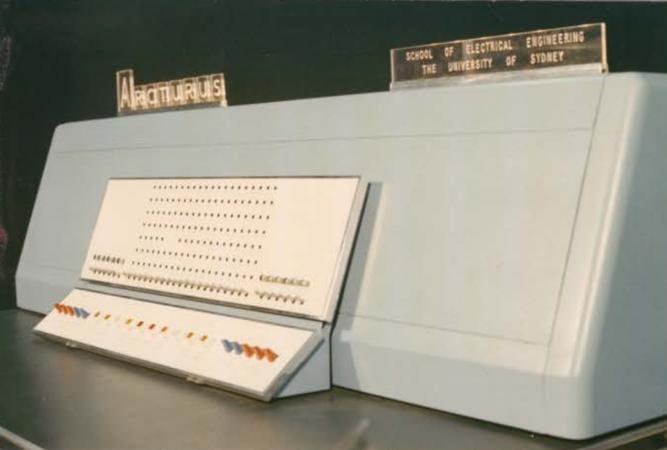
ARCTURUS control panel

The ARCTURUS Computer Developed At Sydney University In The 1960s

[State of Electronics] have released their latest video about ARCTURUS, the 14th video in their series The Computer History of Australia.

ARCTURUS was a research computer system developed on a shoestring budget at Sydney University in the 1960s, and was in service until 1975. Particularly the system was developed by [David Wong] as a part of his PhD thesis: The design and construction of the digital computers snocom, nimbus and arcturus (PDF). [David] worked in collaboration with [Kevin R. Rosolen] who is interviewed in the video.

Continue reading “The ARCTURUS Computer Developed At Sydney University In The 1960s”

Australia’s New Asbestos Scare In Schools

Asbestos is a nasty old mineral. It’s known for releasing fine, microscopic fibers that can lodge in the body’s tissues and cause deadly disease over a period of decades. Originally prized for its fire resistance and insulating properties, it was widely used in all sorts of building materials. Years after the dangers became clear, many countries eventually banned its use, with strict rules around disposal to protect the public from the risk it poses to health.

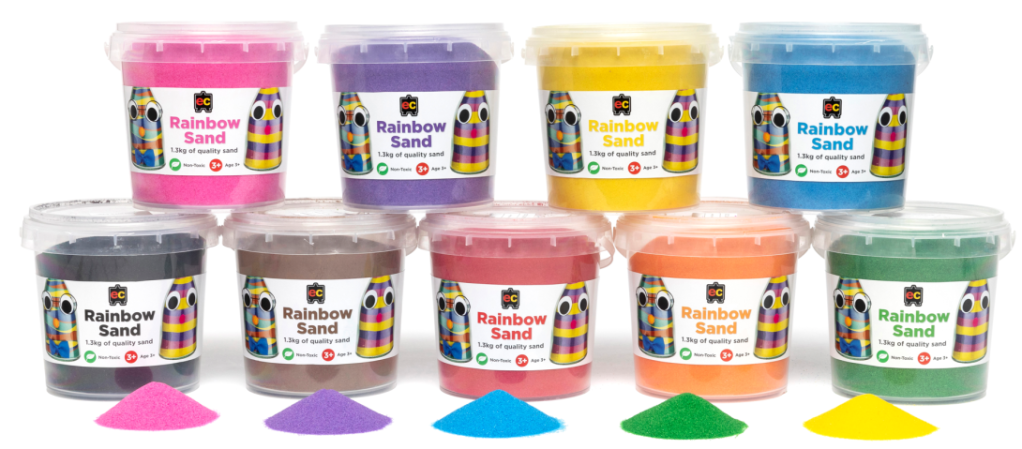
Australia is one of the stricter countries when it comes to asbestos, taking great pains to limit its use and its entry into the country. This made it all the more surprising when it became apparent that schools across the nation had been contaminated with loose asbestos material. The culprit was something altogether unexpected, too—in the form of tiny little tubes of colored sand. Authorities have rushed to shut down schools as the media asked the obvious question—how could this be allowed to happen?

Continue reading “Australia’s New Asbestos Scare In Schools”

Why Samsung Phones Are Failing Emergency Calls In Australia

We’re taught how to call emergency numbers from a young age; whether it be 911 in the US, 999 in the UK, or 000 in Australia. The concept is simple—if you need aid from police, fire, or ambulance, you pick up a phone and dial and help will be sent in short order.

It’s a service many of us have come to rely on; indeed, it’s function can swing the very balance between life or death. Sadly, in Australia, that has come to pass, with a person dying when their Samsung phone failed to reach the Triple Zero (000) emergency line. It has laid bare an obscure technical issue that potentially leaves thousands of lives at risk. Continue reading “Why Samsung Phones Are Failing Emergency Calls In Australia”

Australia’s Silliac Computer

When you think about the dawn of modern computers, you often think about the work done in the UK and the US. But Australia had an early computer scene, too, and [State of Electronics] has done a series of videos about the history of computers down under. The latest episode talks about SILLIAC, a computer similar to ILLIAC built for the University of Sydney in the late 1950s.

How many racks does your computer fill up? SILLIAC had quite a few.

This episode joins earlier episodes about CSIRAC, and WREDAC. The series starts with the CSIR Mark I, which was the first computer in the southern hemisphere.

The -AC computers have a long history. While you often hear statements like, “…in the old days, a computer like this would fill a room,” SILLIAC, in fact, filled three rooms. The three meters of cabinets were in one room, the power supply in another. The third room? Air conditioning. A lot of tubes (valves, in Australia at the time) generate a lot of heat.

Continue reading “Australia’s Silliac Computer”

Australia’s Steady March Towards Space

The list of countries to achieve their own successful orbital space launch is a short one, almost as small as the exclusive club of states that possess nuclear weapons. The Soviet Union was first off the rank in 1957, with the United States close behind in 1958, and a gaggle of other aerospace-adept states followed in the 1960s, 1970s, and 1980s. Italy, Iran, North Korea and South Korea have all joined the list since the dawn of the new millennium.

Absent from the list stands Australia. The proud island nation has never stood out as a player in the field of space exploration, despite offering ground station assistance to many missions from other nations over the years. However, the country has continued to inch its way to the top of the atmosphere, establishing its own space agency in 2018. Since then, development has continued apace, and the country’s first orbital launch appears to be just around the corner.

Continue reading “Australia’s Steady March Towards Space”

Australia Didn’t Invent WiFi, Despite What You’ve Heard

Wireless networking is all-pervasive in our modern lives. Wi-Fi technology lives in our smartphones, our laptops, and even our watches. Internet is available to be plucked out of the air in virtually every home across the country. Wi-Fi has been one of the grand computing revolutions of the past few decades.

It might surprise you to know that Australia proudly claims the invention of Wi-Fi as its own. It had good reason to, as well— given the money that would surely be due to the creators of the technology. However, dig deeper, and you’ll find things are altogether more complex.

Continue reading “Australia Didn’t Invent WiFi, Despite What You’ve Heard”