Friday Hack Chat: BadgeLife

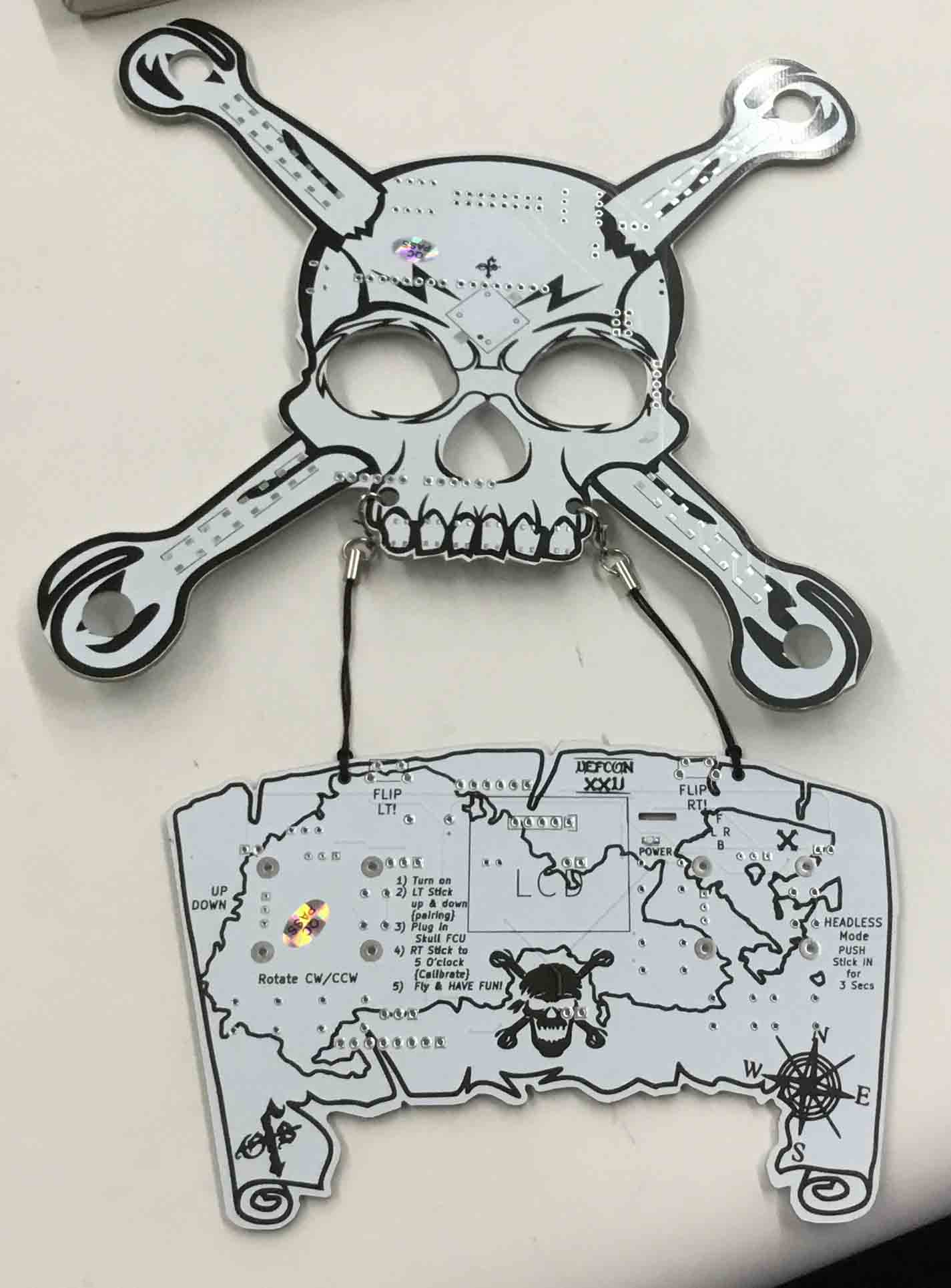
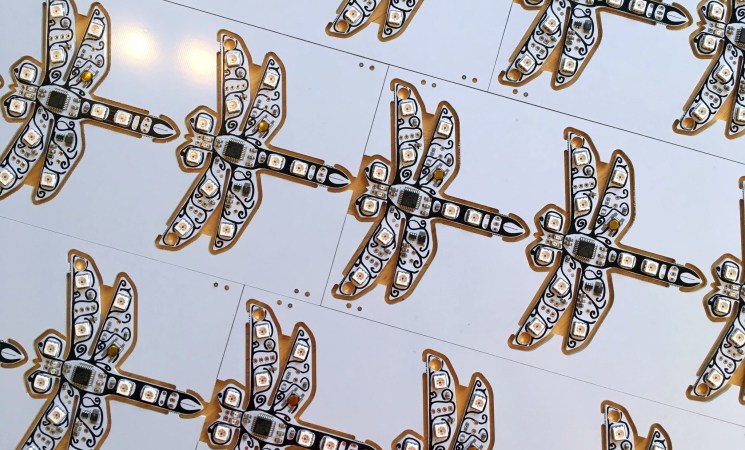
For the last few years at DEF CON, we’ve seen the emergence of an entire community of badge creators. These aren’t official badges — good news, since the official DEF CON badge will probably be an unpuzzling piece of laser cut acrylic this year. Lucky for us this is the biggest year yet for independent electronic badges. This is BadgeLife, the fine art of designing and building hundreds of badges for eager conference goers.

This Friday, we’ll be hosting a Hack Chat with a few of the folks tapped into BadgeLife. [Whitney Merrill], lawyer, hacker, and overseer of the Crypto & Privacy village will be joining us talking about this year’s badge, the puzzle she designed, and what BadgeLife really means. Also joining us will be [Karl Koscher], research scientist and co-organizer of the Crypto and Privacy village.

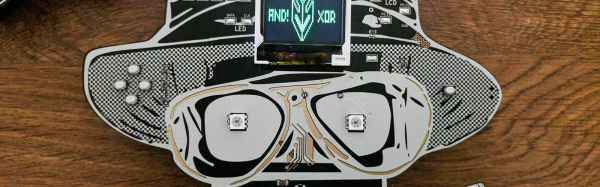
Also on deck will be the creators of this year’s Bender Badge. Last year, AND!XOR created one of the most popular electronic conference badges in recent memory. This year, the Bender Badge is getting an upgrade with Blast Processing, a quart of tequila, and two dozen amyls.

We’re proud to note that Hackaday.io has become an unofficial repository for all the best badges from the BadgeLife community. The Hunter S. Rodriguez badge is on there, as is the Ides of DEF CON. As the creator of the most innovative and desirable badge this year, I will also be attending this Hack Chat discussing the trials and tribulations of developing and shipping hardware on a very condensed schedule.

While the focus of this BadgeLife Hack Chat is developing electronic conference badges for DEF CON, it could have easily been called ‘Electronic Design’. There’s a massive amount of work that goes into each of these badges from design to production, and all of it is highly relevant to any hardware developer.

Here’s How To Take Part:

join-hack-chatOur Hack Chats are live community events on the Hackaday.io Hack Chat group messaging. This Hack Chat will take place at noon Pacific time on Friday, July 14th. Confused about where and when ‘noon’ is? Here’s a time and date converter!

Log into Hackaday.io, visit that page, and look for the ‘Join this Project’ Button. Once you’re part of the project, the button will change to ‘Team Messaging’, which takes you directly to the Hack Chat.

You don’t have to wait until Friday; join whenever you want and you can see what the community is talking about.

DEF CON BadgeLife: Blinky Bling

This is the biggest year yet for unofficial electronic conference badges. We’re calling it the year of Badgelife, and for the next few weeks, we’re going to be taking a look at the unofficial conference badges being deployed at this year’s DEF CON.

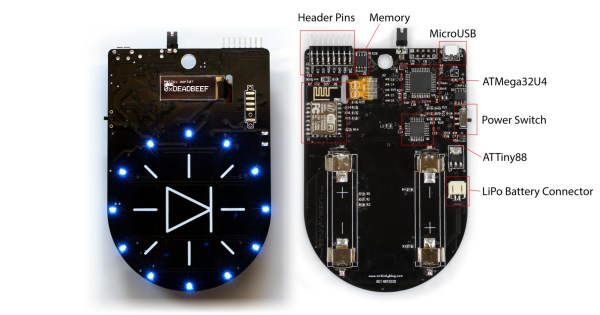
[Mr Blinky Bling] a.k.a. [Benn Hibben] has created his own badge for this year’s con. On board is a bunch of LEDs, WiFi, and capacitive buttons. It’s a WiFi badge for all your AP scanning and deauth needs. The electronics for this badge are a bit more complicated than simply throwing an ESP8266 on a board and calling the design done. The capacitive touch functionality is being handled by an ATTiny88, the OLED display is handled by an ATMega32U4, wireless functions are done with an ESP8266, and there are a few bits and bobs for a LiPo battery.

This WiFi Badge is the focus of an astonishingly successful Kickstarter (ending in just a few hours), and [Mr Blinky Badge] already has enough backers to move 200 badges. This is really a spectacular amount of work; it’s one thing to build a single prototype for an electronic conference badge, but it’s another matter entirely to put a badge into production, source all the parts, handle the assembly, and finally ship all these badges to Kickstarter backers and conference attendees.

If the challenge of building and deploying hundreds of electronic conference badges sounds like fun, you’re in luck. This Friday, we’ll be hosting a Hack Chat with some of the creators of this year’s unofficial DEF CON badge creators. There’s a lot you can learn from these folks, and a lot of very cool badges that will make an appearance at this year’s Def Con.

DEF CON Badgelife: The Puffy That Runs Linux

DEF CON is canceled again this year, and this time that statement is at least partially true. There will be no special official badges this year. There is no challenge or mystery embedded in the official DC badge. This is the year that unofficial badges from villages and random attendees finally supersedes the official offering. This is badgelife, and for the next few weeks, we’re going to be taking a look at some of the unofficial badges of DEF CON.

The idea for [dorkengine]’s Puffy badge began last year with the so-called Bender badges from AND!XOR.  Chalk this up to a story that ends with, ‘but you had to have been there’, but the Bender badges were wildly popular, sold like hotcakes, and were an astonishing success of independent badge craft at DC. [dorkengine] decided to get in on the action and build his own badge for DC 25.

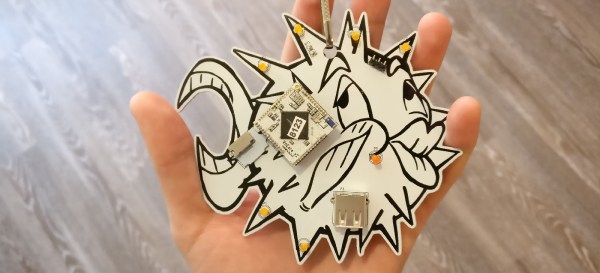
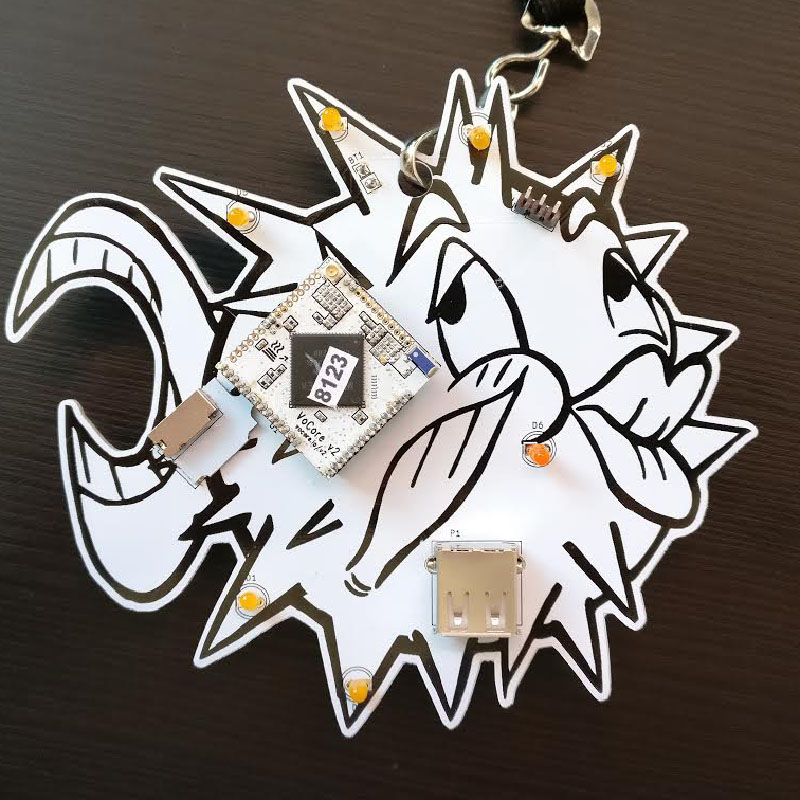
The design of the Puffy badges is based on a highly stylized rendering of the OpenBSD logo and mascot. Why a pufferfish with Kardashian lips? [dorkengine] has a bunch of boxes in a closet running OpenBSD, and that’s a good enough reason for us.

An electronic badge must do something, and the feature list [dorkengine] came up with included some sort of wireless connectivity, hackability, a serial console, blinkenlights, and some sort of *nix-ish OS. OpenBSD didn’t make the cut, but [dorkengine] eventually stumbled upon the VoCore2, a tiny System on Module that runs Linux, has WiFi and a few GPIOs, and is barely an inch on a side.

After getting a good deal on a large order of VoCores, [dorkengine] started on the PCB. The circuit was simple enough with just a VoCore attached to a USB port, power adapter, and a few LEDs. The Puffy rendering translated beautifully into soldermask and silkscreen, and after a prototype from ITEAD Studio, [dorkengine] had 40 PCBs that worked perfectly.

So, what is [dorkengine] going to do with a box full of Puffy badges? He’ll be selling them for $40 around the con. That’s surprisingly inexpensive for a large PCB soldered to a $17 SoC. If you want to get your grubby mitts on one, you could email him or ping him on Twitter. Of course, if you want to make your own, [dorkengine] has the KiCad files and software available, but at this point, you’re looking at a very fast turnaround for a board house.