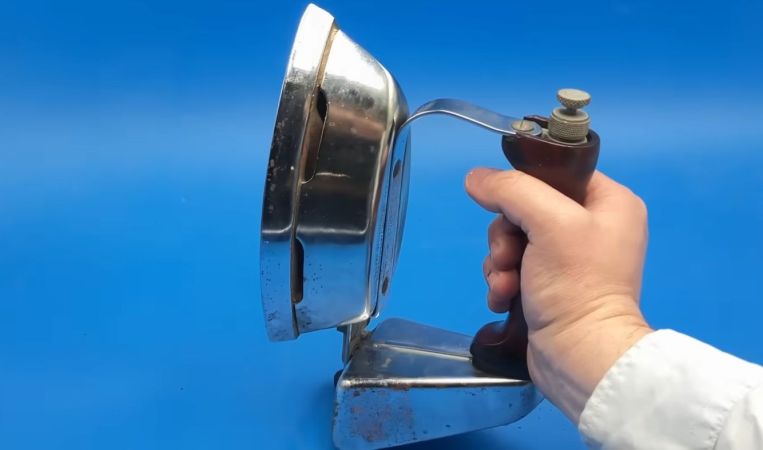
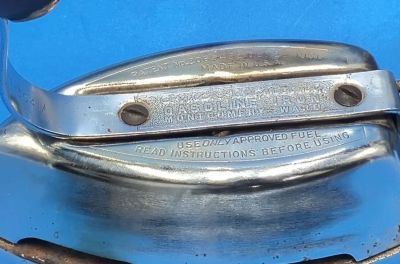
 Before the advent of electricity in the home made electrically-heated clothes irons a possibility, ironing was a cumbersome process, with self-heated irons being an arguable improvement over solid (so-called sad) irons that required heating in an external heat source like a stove or fire. These self-heating irons used a variety of fuels, with the one featured on the [Our Own Devices] YouTube channel using gasoline for fuel, making it technically a gasoline-powered clothes iron.
The used gasoline form is LSR, which is commonly referred to as naphtha and is also sold as camping fuel today. In addition to the gasoline version a kerosene-powered version was also sold, so you had to better make sure you refueled your iron with the right fuel.
After pouring in fresh fuel you have to prime it by pushing the plunger a couple of times, before igniting the burner with a lit match via a hole in the side while opening the fuel valve. If you did things right, the iron will now be heating up. In a sense this makes it effectively like a camping stove, with also many of the same caveats, with such irons gaining a reputation for starting fires and causing bodily harm.
Due to decaying seals this iron in the video wasn’t fired up, but it was disassembled to show the internal components, along with a comparison of the kerosene version. Inside is a kind of crude carburetor that mixes air in with the fuel to get a combustible fuel-air mix, along with plenty of soot to attest to this iron having been regularly used.
Although electrical irons eventually removed all need for gasoline-powered irons, they were still used in mostly rural settings until the 1950s. Reading the Wikipedia entry on clothes irons makes one rather glad that these days we can iron our clothes without all the fuss and significant risk of accidents of these old irons.
Continue reading “The Montgomery Ward Gasoline-Powered Clothes Iron”