
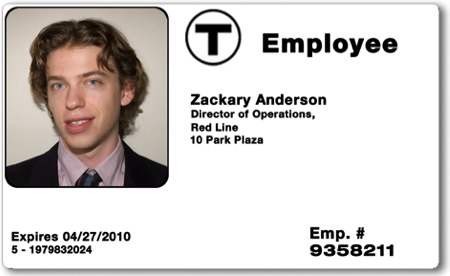
Popular Mechanics has an interview with [Zach Anderson], one of the MIT hackers that was temporarily gagged by the MBTA. The interview is essentially a timeline of the events that led up to the Defcon talk cancellation. [Zach] pointed out a great article by The Tech that covers the vulnerabilities. The mag stripe cards can be easily cloned. The students we’re also able to increase the value of the card by brute forcing the checksum. There are only 64 possible checksum values, so they made a card for each one. It’s not graceful, but it works. The card values aren’t encrypted and there isn’t an auditing system to check what values should be on the card either. The RFID cards use Mifare classic, which we know is broken. It was NXP, Mifare’s manufacturer, that tipped off the MBTA on the actual presentation.
rfid191 Articles
New E-Passports Cloned
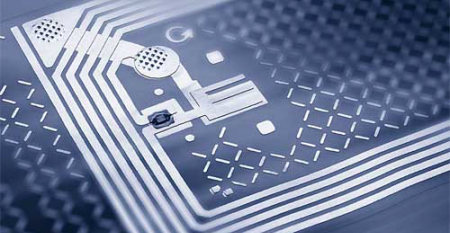
Within an hour, Jeron Van Beek was able to create a successful clone of Britain’s new E-Passport. All he needed was a £40 card reader, two £10 RFID chips, and a small, improvised script. Although the exact details were not specified, it looks like he read the ID on the real passport using the RFID reader, then he wrote it to the two blank chips and put them in the fake passports. There is also a flaw which may allow outright forging of the passports. Nearly all of the 45 countries using the system have not yet registered with the Public Key Directory, which was put in place to make forging impossible.
The government is claiming that this hack is a hoax, but recent reports have shown that these RFID systems were never secure. No matter what the actual truth is about these hacks, it can certainly be said that the ability to clone or forge these passports would be a devastating security issue for every country involved.
[Photo: Digital World Tokyo]
[via The Guardian]
HOPE 2008: The Impossibility Of Hardware Obfuscation
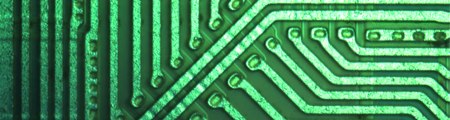
The Last HOPE is off and running in NYC. [Karsten Nohl] started the day by presenting The (Im)possibility of Hardware Obfuscation. [Karsten] is well versed in this subject having worked on a team that the broke the MiFare crypto1 RFID chip. The algorithm used is proprietary so part of their investigation was looking directly at the hardware. As [bunnie] mentioned in his Toorcon silicon hacking talk, silicon is hard to design even before considering security, it must obey the laws of physics (everything the hardware does has to be physically built), and in the manufacturing process the chip is reverse engineered to verify it. All of these elements make it very interesting for hackers. For the MiFare crack, they shaved off layers of silicon and photographed them. Using Matlab they visually identified the various gates and looked for crypto like parts. If you’re interested in what these logic cells look like, [Karsten] has assembled The Silicon Zoo. The Zoo has pictures of standard cells like inverters, buffers, latches, flip-flops, etc. Have a look at [Chris Tarnovsky]’s work to learn about how he processes smart cards or [nico]’s guide to exposing standard chips we covered earlier in the week.
Microwaving RFID Cards

Buzzsurf microwaved an RFID card so you don’t have to. Pointless, but real, unlike those piles of $20s.
[via Synaptic Seepage]
Robot Chairs

Chairs may be among the most useful inventions known to humanity, but that doesn’t mean that a clever engineer or two can’t improve on the idea. As proof, we offer you this list of robotic chairs that do much more than provide a place to put your rear in.
RFID Reader Denial Of Service
While in Vancouver, Canada for CanSecWest we had a chance to catch up with [Marc]. He showed off a very simple Denial-of-Service attack that works for most commercial RFID reader systems. He worked out this physical DoS with [Adam Laurie], whose RFID work we featured last year.
24C3 Mifare Crypto1 RFID Completely Broken
Another highlight for us at CCC was [Karsten Nohl] and [Henryk Plötz] presenting how they reversed Philips crypto-1 “classic” Mifare RFID chips which are used in car keys, among other things. They analyzed both the silicon and the actual handshaking over RF. Looking at the silicon they found about 10K gates. Analyzing with Matlab turned up 70 unique functions. Then they started looking “crypto-like” parts: long strings of flip-flops used for registers, XORs, things near the edge that were heavily interconnected. Only 10% of the gates ended up being crypto. They now know the crypto algorithm based on this analysis and will be releasing later in the year.
The random number generator ended up being only 16-bit. It generates this number based on how long since the card has been powered up. They controlled the reader (an OpenPCD) which lets them generate the same “random” seed number over and over again. This was actually happening on accident before they discovered the flaw.
One more broken security-through-obscurity system to add to the list. For more fun, watch the video of the presentation.









