Thomas Edison May Have Discovered Graphene

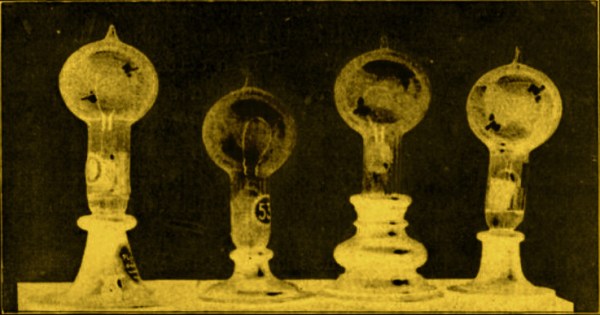
Thomas Edison is well known for his inventions (even if you don’t agree he invented all of them). However, he also occasionally invented things he didn’t understand, so they had to be reinvented again later. The latest example comes from researchers at Rice University. While building a replica light bulb, they found that Thomas Edison may have accidentally created graphene while testing the original article.

Today, we know that applying a voltage to a carbon-based resistor and heating it up to over 2,000 °C can create turbostratic graphene. Edison used a carbon-based filament and could heat it to over 2,000 °C.

This reminds us of how, in the 1880s, Edison observed current flowing in one direction through a test light bulb that included a plate. However, he thought it was just a curiosity. It would be up to Fleming, in 1904, to figure it out and understand what could be done with it.

Naturally, Edison wouldn’t have known to look for graphene, how to look for it, or what to do with it if he found it. But it does boggle the mind to think about graphene appearing many decades earlier. Or maybe it would still be looking for a killer use. Certainly, as the Rice researchers note, this is one of the easier ways to make graphene.
Electric Vehicle 1900’s Style: New Leases On Old Tech

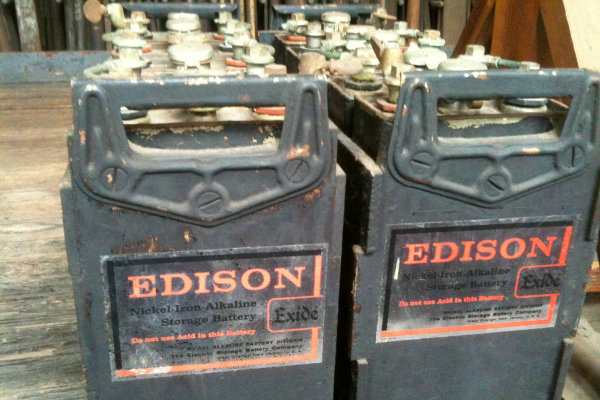
Excited about your new electric vehicle? Thomas Edison would be, too. He tried to produce electric vehicles for Ford around 1900. Petroleum-based vehicles dashed his dreams of the electric car, and the battery he wanted to use languished as a technological dead end. The batteries were long-lasting, sure, but they were expensive and had other problems, not the least of which was producing hydrogen gas. But that battery technology is receiving renewed interest today, because some of the things that made it a bad car battery make it good for alternate energy projects.

You wouldn’t think a century-old battery technology that was never very popular would make a comeback. But then again, who thought we’d see the return of bell-bottom pants or vinyl records? Continue reading “Electric Vehicle 1900’s Style: New Leases On Old Tech”

Lewis Latimer Drafted The Future Of Electric Light

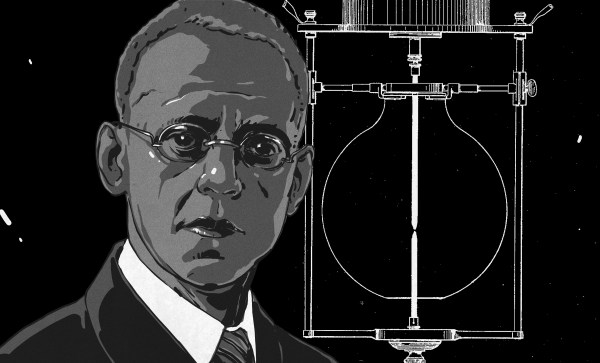
These days, we have LED light bulbs that will last a decade. But it wasn’t so long ago that incandescent lamps were all we had, and they burned out after several months. Thomas Edison’s early light bulbs used bamboo filaments that burned out very quickly. An inventor and draftsman named Lewis Latimer improved Edison’s filament by encasing it in cardboard, earning himself a patent the process.

Lewis had a hard early life, but he succeeded in spite of the odds and his lack of formal education. He was a respected draftsman who earned several patents and worked directly with Alexander Graham Bell and Thomas Edison. Although Lewis didn’t invent the light bulb, he definitely made it better and longer-lasting. Continue reading “Lewis Latimer Drafted The Future Of Electric Light”

How Many Inventors Does It Take To Invent A Light Bulb

Many credit the invention of the incandescent light bulb with Edison or Swan but its development actually took place over two centuries and by the time Edison and Swan got involved, the tech was down to the details. Those details, however, meant the difference between a laboratory curiosity that lasted minutes before burning out, and something that could be sold to consumers and last for months. Here then is the story of how the incandescent light bulb was invented.

Continue reading “How Many Inventors Does It Take To Invent A Light Bulb”

Tesla Vs. Edison

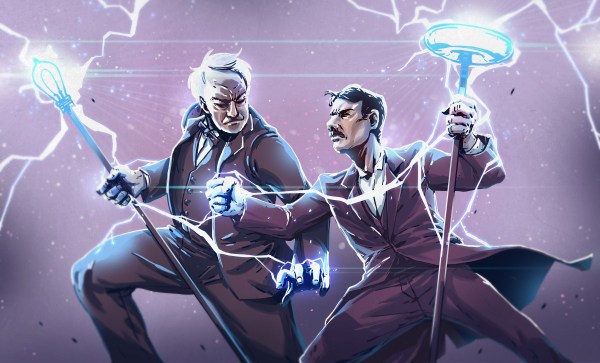
The phrase “Tesla vs. Edison” conjures up images of battling titans, mad scientists, from a bygone age. We can easily picture the two of them facing off, backed by glowing corona with lightning bolts emitting from their hands. The reality is a little different though. Their main point of contention was Tesla’s passion for AC vs. Edison’s drive to create DC power systems to power his lights. Their personalities also differed in many ways, the most relevant one here being their vastly different approaches to research. Here, then, is the story of their rivalry.

Continue reading “Tesla Vs. Edison”