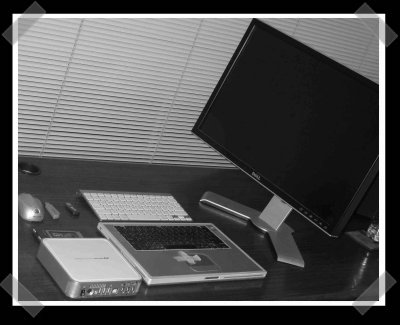
[Mark] sent in this nice trick for breathing new life into an old laptop. [Sarc] had a tibook with a broken LCD. It was still usable with an external monitor, so he simply removed the broken LCD. The tibook (and MacBook) uses a magnetic sensor to monitor the LCD position. To put the machine in the right mode, he taped a magnet in place to make the machine think that the display was in the closed position. To really clean things up, he mounted all the hardware under the desk and used a wireless keyboard and mouse with the machine.
Author: Will O'Brien805 Articles
Modding The Oppo 980 For Better Audio Output
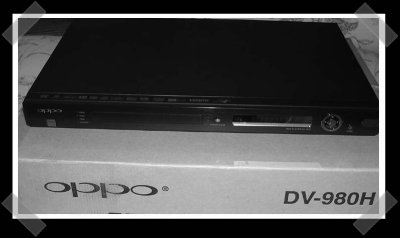
There’s an interesting thread discussing mods to improve the inexpensive Oppo 980 DVD player for better performance. The power supply, capacitors and opamps can benefit from some higher end components. [Occam] suggests several replacement opamps options for upgrading the audio output. The realatively low cost of Oppo gear makes it a better risk than modding a multi-thousand dollar DVD player.
1-wire Barometer
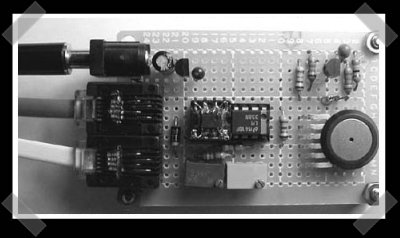
[David] put together this rather nice 1-wire barometer. An MPX4115 measures the pressure while an SMD DS2438 mounted to an 8 pin DIP socket provides the 1-wire interface. The writeup includes a nice description of the board layout and wiring, making this project accessible to just about anyone with a decent tip on their soldering iron.
Fun With Radiohead’s Data From ‘House Of Cards’
Radiohead recently released the 3D data that was used to create the video for their song ‘House of Cards’. You can see the original video and grab the data from here. [Micheal_z] sent in some of the results of his groups playtime with the data. The first effort involved some data translation. Then they created an atomizer of the head and put it up on their ungodly huge 8160×4000 pixel multi-touch display. The video above was created by tracking the background image to orient and overlay the projection.
PIC Based Boiler Controller
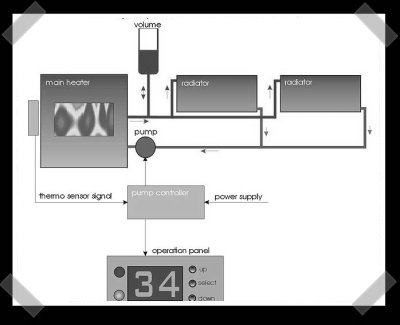
We’re used to central A/C, so we were surprised by this PIC controller based heater controller. It’s based around a pump controlled boiler/radiator system. A PIC 16F84 is used to input the set point and control a pump to circulate the heated water as needed. You can grab full schematics on the project page.
Update: We added a screen capture of the schematic after the break since the site keeled over.
Simple Fish Feeder
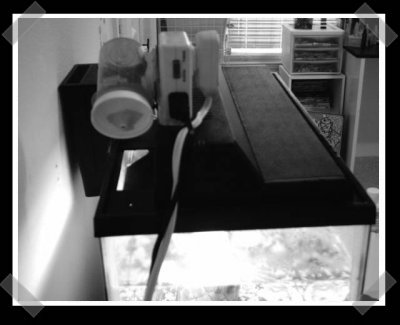
[BahaTanju] sent in this oh so simple fish feeder. It’s a mechanical light timer with a simple dispensing bottle mounted to the rotating time wheel. As the timer rotates, food is dispensed and the aquarium light is activated. If you have bigger fish, you could adapt this to work on a solenoid and use a timer with multiple on/off settings.
USB NES Controller Plus
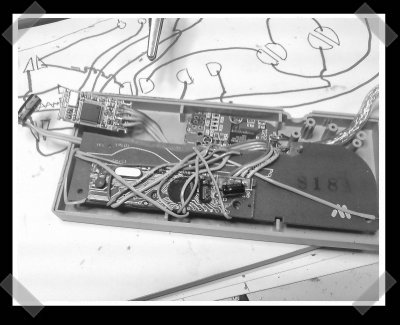
USB NES controllers are old school these days, but [Jay] put together a nice new take on the project. He shoehorned a USB interface adapter, USB hub and a USB memory stick to store his collection of NES roms and emulators right on the controller. He even dug up a black USB cable to keep the original look of the controller. Now he can just plug in and load his game selection directly from the controller.