How-To: Go Green With Lead Free Solder

We covered many of [Jason Rollette]’s personal projects in the past and are happy to welcome him as our newest Hack-A-Day contributor.

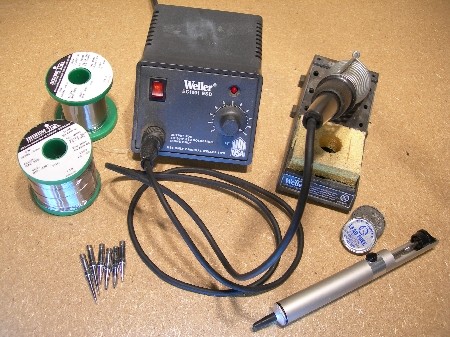
The electronics industry has shifted to lead free compliance, but most hobbyists haven’t even considered the personal impact of using lead. Today’s How-To will cover what it takes to switch from tin/lead solder to completely lead free. Our previous posts Introduction to soldering and the follow-up still apply to lead free. You may have never considered switching to lead free before, but we hope to help you make an informed decision.
Continue reading “How-To: Go Green With Lead Free Solder”

Cheap Projector Repair


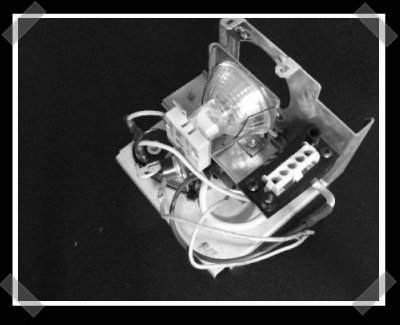
[Ryan] sent in this writeup on some DIY projector repair. The write-up is a little hard to follow, but maybe it’ll inspire some future projector landfill saves. [Dissident] replaced the light bulb and ballast in an older DLP projector with some salvaged MR-16 hardware from an even older over head projector. The main trick required was to bridge the trigger leads that tell the projector that the bulb is on and working.

FPGA Projects Roundup


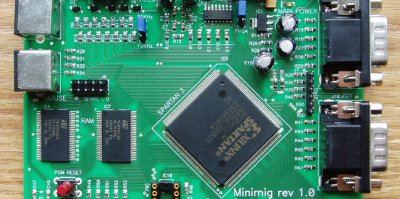
FPGA’s have become especially useful to the hacker community of late. Once upon a time, these lovely pieces of dedicated hardware were fabled to only be within reach of deep pocketed graphics card producers working to up their shader and vertex counts. Today they’re often found in the bowels of high end network gear. As reprogrammable arrays of logic gates, FPGAs represent a happy middle ground between general purpose CPUs and dedicated silicon. After the break, we’ll recount some of the more interesting FPGA projects we’ve seen, like the open source graphics card we featured yesterday.

Continue reading “FPGA Projects Roundup”

DISH Wins $1050 In Satellite Cracking Case

Who doesn’t love a good corporate espionage story? We certainly don’t mind them, especially when they involve hiring a notable hacker to do the company’s dirty work. It seems this is exactly what happened in the case of Dish Networks vs NDS Group. Last month, Christopher Tarnovsky admitted he was paid $20,000 in cash to crack the security protocols used on DISH Network access cards. NDS Group claimed the reverse engineering was simply for comparative reasons while DISH is said it resulted in $900 million in damages.

The trial came to an end this week with the court finding NDS group guilty of cracking 1 card (a fine of $49.69) and liable for an additional $1000 in damages. Not quite the big payoff DISH was hoping for, but both companies have expressed feelings of vindication about the decision. DISH Networks says that the jury ruled in their favor, proving that they were right all along (just not $900 million dollars right). NDS maintains that Tarnovsky’s work was never publicly shared and that they never intended to flood the black market with cracked cards as DISH has implied.

Hacking The OLPC Now And The Future

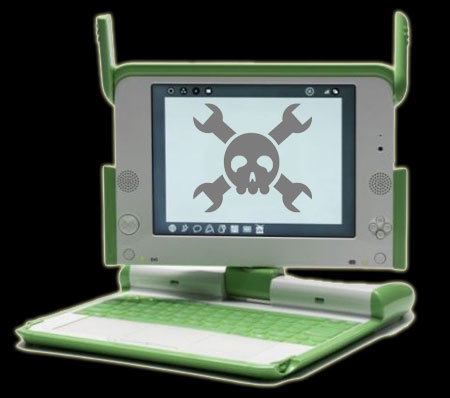
While we haven’t talked about the OLPC XO laptop much here, don’t think we haven’t had our eyes on its developments. Originally shipping last November, this unit captured the interest of many for its humanitarian goal, low cost, and potential hackability. After the break, let’s take a look at what has been done with this device and poke at the prototype for version 2.

Continue reading “Hacking The OLPC Now And The Future”

Media Streamers: Buy Or Build?


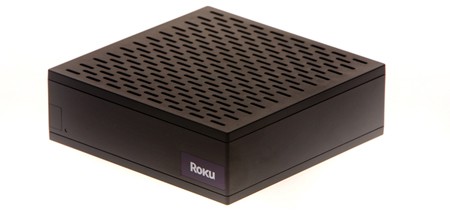
The market is flooded with new media streamers, but which one is for you? One of the cheapest and easiest options is the unambiguously titled Netflix Player. With an active account, the Netflix Player streams movies and television shows from their online library (currently around 10,000 videos). It connects to the internet via 802.11b/g WiFi or ethernet, but delivers low-quality video if your connection speed is less than 1Mbps. It costs $99 plus at least $8.95/mo for a Netflix subscription. It runs Linux so hopefully we’ll see some hacks for it soon like we did with previous Roku products. A fine device, if you want to stream movies and nothing else, but if you want to stream data from other sources, like a network, usb hard drive, or (gasp) bittorrent, you’ll have to look elsewhere.

Continue reading “Media Streamers: Buy Or Build?”