The GPS III Rollout Is Almost Complete, But What Is It?

Considering how integral it is to our modern way of life, you could be excused for thinking that the Global Positioning System (GPS) is a product of the smartphone era. But the first satellites actually came online back in 1978, although the system didn’t reach full operational status until April of 1995. While none of the active GPS satellites currently in orbit are quite that old, several of them were launched in the early 2000s — and despite a few tweaks and upgrades, their core technology isn’t far removed from their 1990s era predecessors.

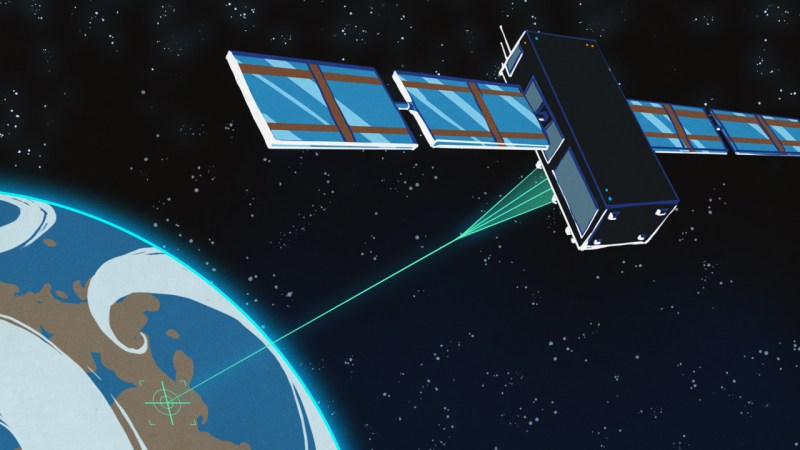
But in the coming years, that’s finally going to change. Just last week, the tenth GPS III satellite was placed in orbit by a SpaceX Falcon 9 rocket. Once it’s properly configured and operational, it will join its peers to form the first complete “block” of third-generation GPS satellites. Over the next decade, as many as 22 revised GPS III satellites are slated to take their position over the Earth, eventually replacing all of the aging satellites that billions of people currently rely on.

So what new capabilities do these third-generation GPS satellites offer, and why has it taken so long to implement needed upgrades in such a critical system?

Continue reading “The GPS III Rollout Is Almost Complete, But What Is It?”
New Slicer Enables Horizontal Overhangs Without Support

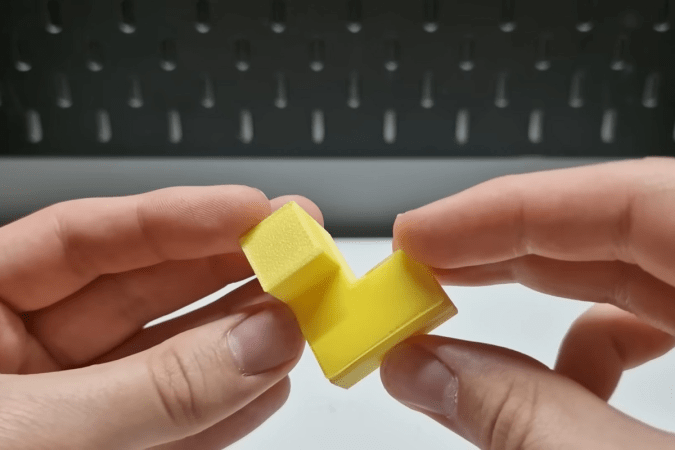
There’s a rule of thumb when it comes to FDM printing that overhangs are really only possible to an angle of around 45 degrees or so. If you try to squirt out plastic with nothing supporting it, it just goes everywhere. However, a new slicer hopes to enable printing up to 90-degree overhangs with some creative techniques.

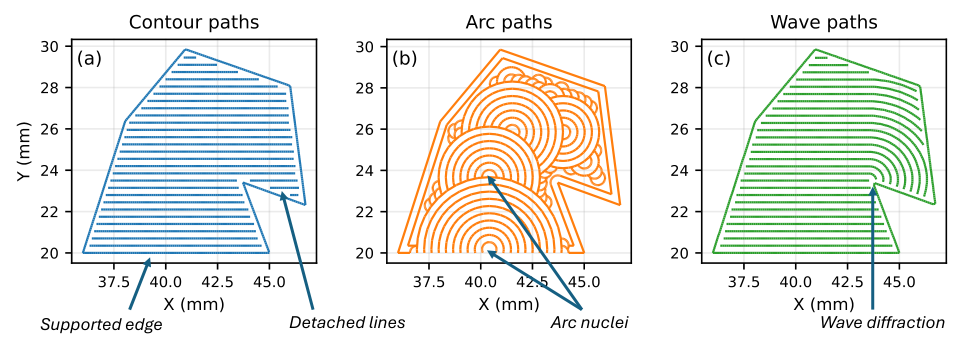
The software that enables this is called WaveOverhangs, and currently exists as a fork of OrcaSlicer. The idea is straightforward enough — using unique toolpathing to create rings of deposited material that fasten to those laid down before them in the same layer. Thus as the printer lays down a layer into bare space, the deposited plastic is, ideally, able to fix on to the supported edge. As the next ring is laid down, it grabs on to the cooled ring laid down before it, and so on. The idea is inspired by wave propagation, hence the name. You can see a demonstration of the software in the video below by [Cocoanix 3D Printing].

It’s still a very new technique. The slicer has a whole bunch of knobs to turn and two different algorithms. Get the settings just right and you can print horizontal overhangs successfully. There aren’t exactly presets yet, this is something to explore with trial and error. If you test it out, don’t forget to upload your results to the Community Gallery so the developers can see what works and what doesn’t.

We’ve explored how smart slicers can do amazing things before, too, particularly when it comes to things like bridging.

Continue reading “New Slicer Enables Horizontal Overhangs Without Support”

A Guide To CubeSat Mission And Bus Design

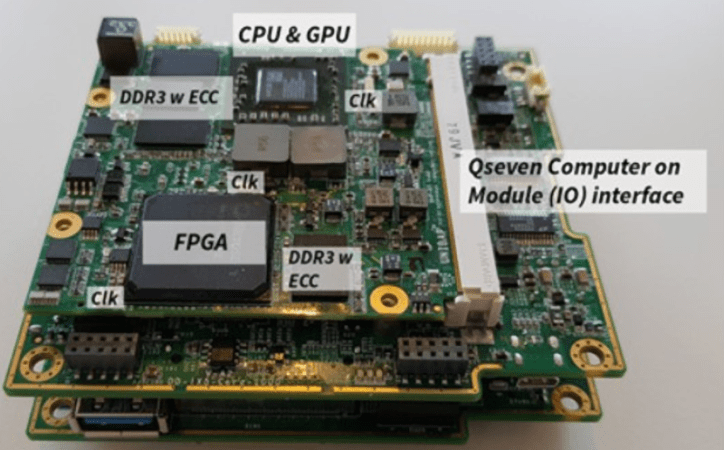
If you mention the word bus, you might think of public transportation or, more likely for us, a way to connect things together. But in the satellite world, the bus is the part of a vehicle that supports the payload but isn’t itself the payload. Typically, that means the electric power system, propulsion, radios, and thermal control, among other systems. If you are designing a CubeSat, you will want to read A Guide to CubeSat Mission and Bus Design by [Frances Zhu].

The Creative Commons-licensed book has twelve chapters, ranging from systems engineering — that is, defining what you want to do — to analyzing structures, handling power, setting up communications, and more. Of particular interest to us was the chapter on command and data handling. The final chapters cover software, system integration, and there’s even a chapter on Ethics.

If you want to build a CubeSat or just want to learn more about how satellites actually work, this is a great read. There are videos and other features, too. If you don’t like reading in your browser, you can download an EPUB, PDF, or MOBI near the top of the page.

There are many resources for the want-to-be CubeSat builder. You can even start with an open source design.