For several years now, filament-based plastic printers have ruled the hobbyist market, with a new iteration on squirting plastic appearing on Kickstarter every week. SLA printers, with their higher resolution and historically higher price for raw materials, have sat in the background, waiting for their time to come.
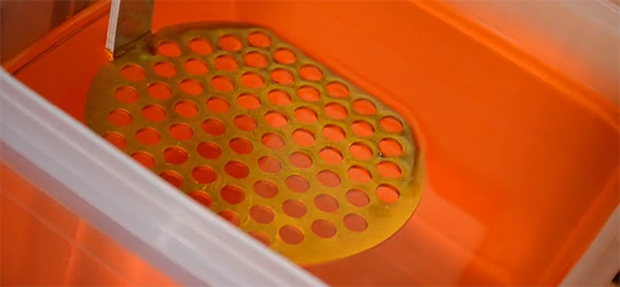
Now, with the Sedgwick printer now available on Kickstarter, we may finally be seeing some resin printers make their way into hackerspaces and workshops the world over. Instead of other DLP projector-based resin printer where projector light shines up through the resin tank, the creator of the Sedgwick, [Ron Light] is doing things the old-fashioned way: shining the projector down onto the surface of the resin. He says it’s a simpler method, and given he’s able to ship a Sedgwick kit minus the projector for $600, he might be on to something.
There are a few other resin printers coming on the scene – the LittleSLA will soon see its own Kickstarter, the mUVe 1 is already shipping, and over on Hackaday Projects, the OpenExposer project is coming along nicely. All very good news for anyone who wants higher quality prints easily.
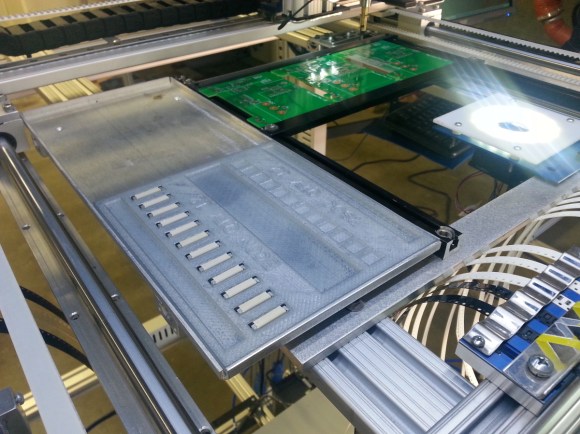 Pick and Place machines are one of the double-edged swords of electronics.They build your boards fast, but if you don’t have everything setup perfectly, they’ll quickly make a mess. A pick and place can’t grab a resistor from a pile and place it – so far only humans can pull that one off. They need parts organized and oriented in reels or trays.
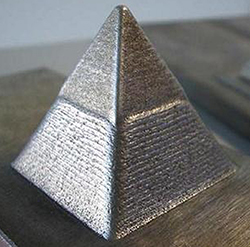 For years now, people have been trying to develop an affordable, RepRap-derived 3D printer that will create objects in metal. There has been a lot of work with crazy devices like high-powered lasers, and electron beams, but so far no one has yet developed a machine that can print metal objects easily, cheaply and safely. For The Hackaday Prize,
  The project featured in this post is an entry in
 If you already have a 3D printer, you already have a machine that will trace out gears, cogs, and enclosures over an XY plane. How about strapping a laser to your extruder and turning your printer into a laser cutter?