The BornHack 2026 Cyber Ægg Is A Badge With A Life Afterwards

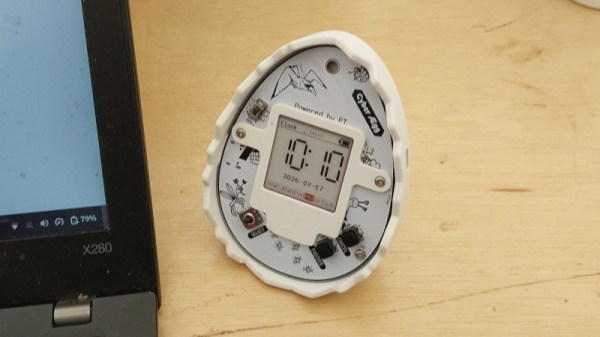
A problem facing the designers of event badges is this: what happens to the badge after the event? It’s one that designers have tried to solve in many ways with varying levels of success, whether that be by making it a dev board, a games console, a mesh-networked communicator, or as in the case of Electromagnetic Field, a continuing badge for future events. Ar BornHack 2026 they have taken a novel approach, by making it a useful desktop appliance. The BornHack Cyber Ægg is a half-egg-shaped badge with a 3D-printed case, and aside from its on-camp applications it’s both a desktop clock/calendar, and a MeshCore node.

Produced with the assistance of the badge.team European badge makers, it’s an egg-shaped PCB with a Nordic nRF52840 at its heart, a Semtech LoRa module, and an e-paper display. On-site there’s a Tamagotchi-style virtual pet game, an event calender, and an RFID token game, but it’s the other two features that give it a life after the camp. The clock and Meshcore, coupled with its case being designed with a flat spot to sit on a desk, make this badge as much an appliance as it is a badge. This is where it will sit in the Hackaday office, and we’re pretty sure most BornHack attendees will use it thus too.

We like this approach to giving a badge a life after the event, and we look forward to seeing what influence it has on future badges. A badge should be a thing to enjoy, not a piece of e-waste.

4:3 screenshot? Either period-appropriate hardware or a VM.

Meshcore And Haiku: A Match Apparently Made In Italy

No, we’re not talking about cultural appropriation of Japan’s most famous form of short poem–this is the other Haiku, the open-source descendant of BeOS, which now has a fully-native meshcore chat client called Sestriere, thanks to the efforts of one [Atomozero]. Of course you’ll need a LoRa radio to act as a modem, but anything that speaks USB serial– which is any of the ESP32-based offerings on the market–should work.

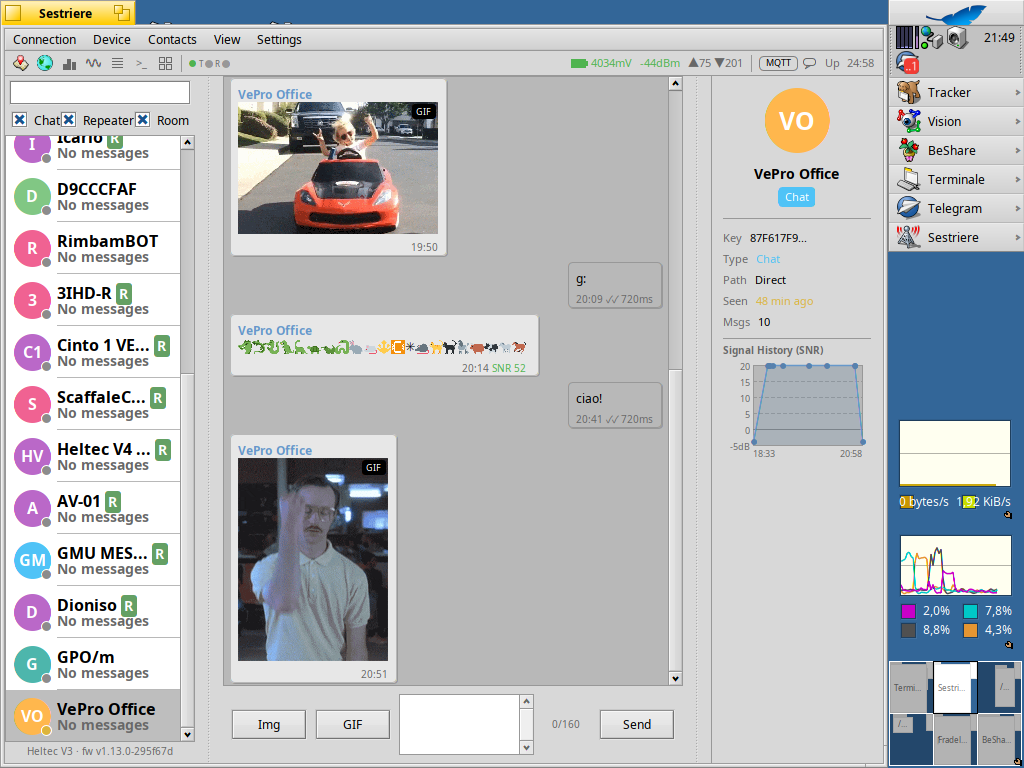
This is interesting in that we don’t see many desktop applications leveraging LoRa networks– meshtastic or meshcore– so for one to appear for the relatively-obscure BeOS derivative is just neat. It’s also a nice peice of work: the chat window is full featured, organizing your contacts, and communicating not just with text but emojis and reaction GIFs. GIFs seem a bit extravagant for LoRa bandwith, but apparently it works. There are also Codec2-based voice messages, another thing that we didn’t expect to see over LoRa, since most ‘chat’ projects restrict themselves to text messaging.

The chat window. One nice thing about Haiku APIs is that look-and-feel isn’t in question.

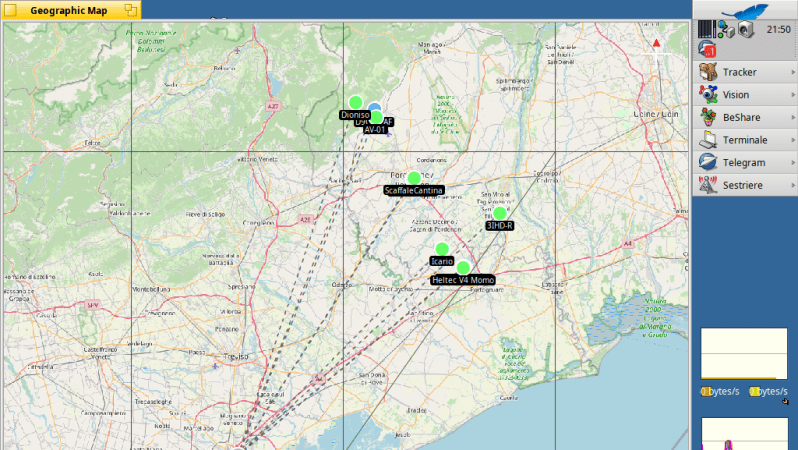
The software will also map all the nodes with which you are in contact, both diagrammatically and geographically, overlaid on OpenStreetMap tiles. The network map conveniently colour-codes your contacts by the link quality, but what’s even more interesting is the WireShark-inspired packet sniffer built into the software to let you keep a really close eye on traffic on the mesh network.

Neither Haiku or MeshCore are to everyone’s tastes, but as an OS it is a worthy daily driver, even if you have to jump through some hoops to install it if you have a UEFI-only system.

If you need more range, try a Yagi.

Lessons Learned After Trying MeshCore For Off-grid Text Messaging

[Michael Lynch] recently decided to delve into the world of off-grid, decentralized communications with MeshCore, because being able to communicate wirelessly with others in a way that does not depend on traditional communication infrastructure is pretty compelling. After getting his hands on a variety of hardware and trying things out, he wrote up his thoughts from the perspective of a hardware-curious software developer.

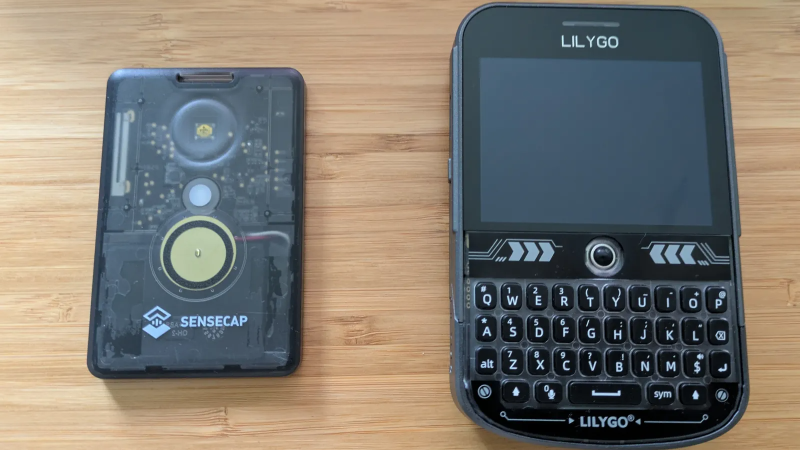
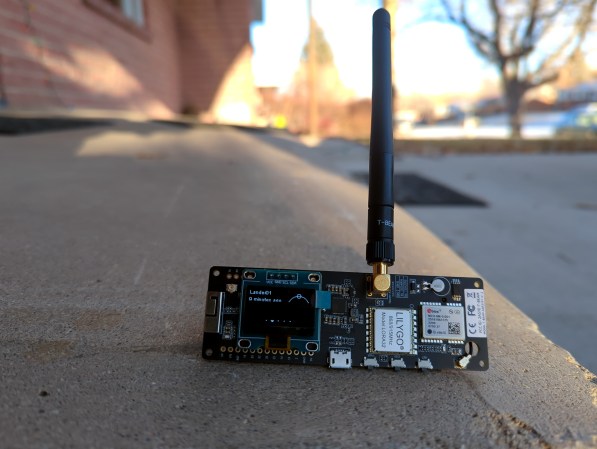
He ends up testing a variety of things: MeshCore firmware installed on a Heltec V3 board (used via an app over Bluetooth), a similar standalone device with antenna and battery built in (SenseCAP T-1000e, left in the header image), and a Lilygo T-Deck+ (right in the header image above). These all use MeshCore, which is built on and reportedly compatible with Meshtastic, a framework we have featured in the past.

Continue reading “Lessons Learned After Trying MeshCore For Off-grid Text Messaging”