Timelapse Circuit For Point And Shoot Cameras

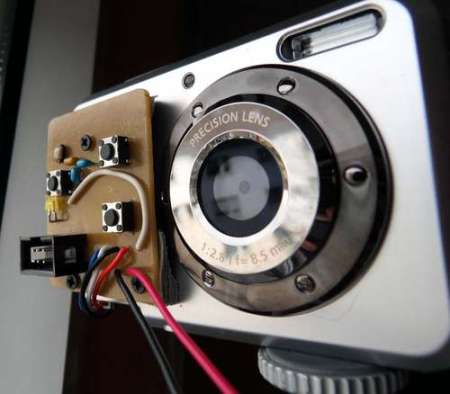
[Andyk75] has done some fantastic work documenting his timelapse addition to his digital camera.  Most of the more expensive models of cameras have a remote shutter release, but the point and shoot jobs usually don’t. He decided to add the ability to turn the camera on, then shoot a picture, then turn it back off. Pretty smart, since these things tend to eat batteries pretty quickly if left on.  He is using an ATtiny24 for the brains, but the circuit should be pretty adaptable to others. The final piece has several features, like the ability to change the length of time between shots and automatically shut down when it gets too dark outside to continue. He has posted the schematics as well as the board layouts if you can find them amongst the ads in instructibles. You can check out a video of a sunset taken with this camera after the break.

Continue reading “Timelapse Circuit For Point And Shoot Cameras”

Crutch-mounted Light

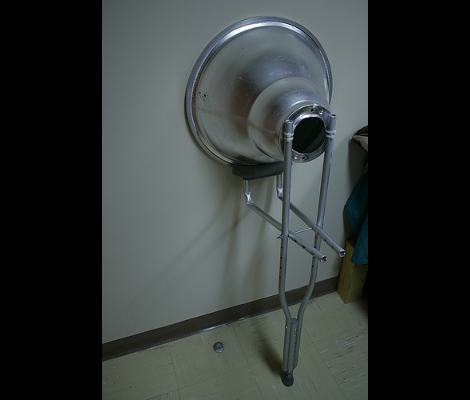
[Malikaii] is exercising the hacker spirit inside by building light stands out of junk. He’s using them as an alternative to purchasing off-camera flash units. He made this one using a lot of salvaged parts; two crutches make up the frame, a discarded reflector for one of those highway-work floodlights will house the flash, and an old pillow case diffuses the light. The version above can easily be moved around by an assistant, or if you’re shooting solo [Malikaii] also found that the base from an oscillating fan was easy to adapt for use with the crutch frame.

If you’re not able to scavenge these parts perhaps a folding light tripod is what you need.

From Cinema To Stills, Camera Lens Gets New Life

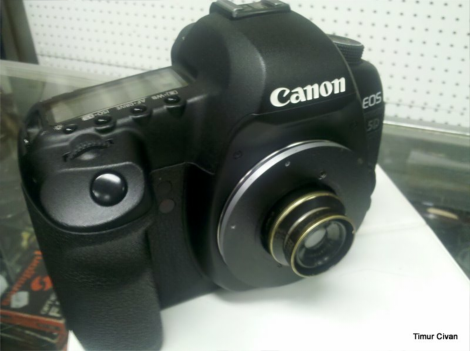
[Timur Civan], with a beautiful merge of past and present, has taken a 102 year old camera lens (a 35mm F5.0 from hand cranked cinema cameras) and attached it to his Canon EOS 5D. While this is not the first time we’ve seen someone custom make a camera lens or attach a lens to a different camera, such as when we brought you plumbing tilt shift or iPhone camera SLR or Pringles can macro photography, the merge of old tech with new warms our empty chest cavities hearts. Catch some additional shots of 1908/2010 New York City after the jump.

Continue reading “From Cinema To Stills, Camera Lens Gets New Life”

Steroscopic Rig Requires Only One Camera

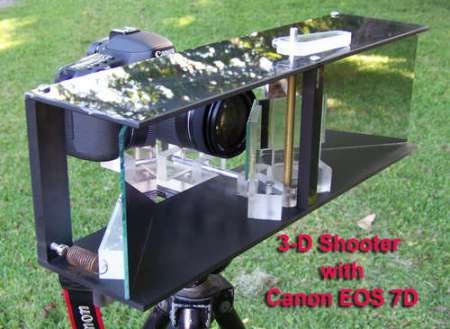
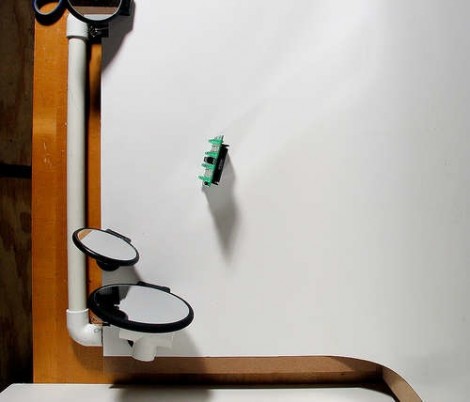
[courtervideo] shares an instructible with us on how to build a mirror rig to take stereoscopic pictures with one camera. We’ve had the thought “couldn’t you just do that with some mirrors?” when looking at a dual camera rig. Well, as we all suspected, you can. There are some advantages here, a single click gives you your 3d image or video without any post processing, and unless you just happen to have an extra camera lying around you can save money there. You do however lose some resolution compared to two separate cameras. This setup could actually add some steps if you were wanting to interlace your images for viewing on a 3d tv.

Controlling The Power Of A Flash With A Tv Remote

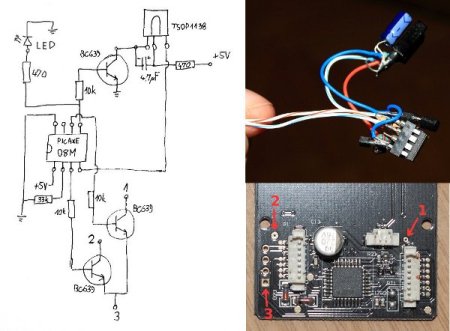
For those who do fancy photography, setting up the lighting ends up being one of the larger tasks of each session. There are flashes out there that can be controlled via a remote control to help ease the process, but they can cost a considerable amount more. [Dsvilko] shares with us a fairly simple circuit that allows you to use a tv remote to control your flash. He’s using a picaxe 08m and he states that before this project, he had never messed with microcontrollers. We say great job on your first microcontroller project. You can catch a video of it in action after the break.

Continue reading “Controlling The Power Of A Flash With A Tv Remote”

Take Better Pictures Of Your Projects

[PT] let us know about a fantastic guide to taking better photographs of your projects. It’s a hefty read but well worth the effort. Author [Johngineer] helps us understand how to use simple (and possibly inexpensive) tools like lights, mirrors, and a background material. He also gives some tips on how to recognize what your image processing software is telling your about your photography skills (get the correct camera setup and you won’t need correct your levels in The GIMP). There’s even some tips on photographing LEDs, a topic we’ve seen before, which you’re bound to find useful when trying to make that blinky thing you built into an Internet sensation.

Aerial Photography platforms

[Eric Austin] is using a Canon 7D with this RC helicopter to capture some amazing HD video. His success has manifested itself in a company that is now manufacturing these platforms ready-to-use. Take a look at their blog to see some of the hardware they’re working on, such as a tricopter and hexacopter photo platforms. We’ve also embedded a video after the break of the unit seen above and the stunning shots it’s able to grab.

Continue reading “Aerial Photography platforms”