
Building Natural Seawalls To Fight Off The Rising Tide

These days, the conversation around climate change so often focuses on matters of soaring temperatures and extreme weather events. While they no longer dominate the discourse, rising sea levels will nonetheless still be a major issue to face as global average temperatures continue to rise.

This poses unique challenges in coastal areas. Municipalities must figure out how to defend their shorelines, or decide which areas they’re willing to lose. The City of Palo Alto is facing just this challenge, and is building a natural kind of seawall to keep the rising tides at bay.

Continue reading “Building Natural Seawalls To Fight Off The Rising Tide”
Faster Glacier Melting Mechanism Could Cause Huge Sea Level Rises

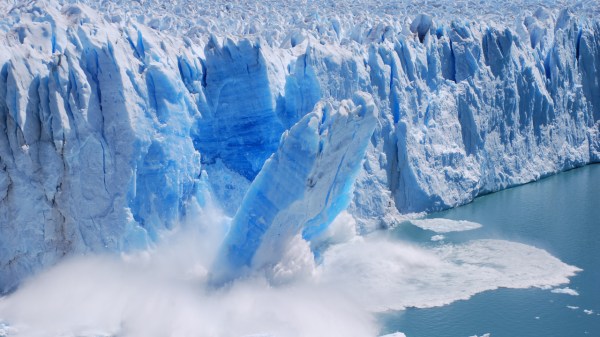
When it comes to the issue of climate change, naysayers often contend that we have an incomplete understanding of the Earth’s systems. While humanity is yet to uncover all the secrets of the world, that doesn’t mean we can’t act on what we know. In many cases, as climate scientists delve deeper, they find yet more supporting evidence of the potential turmoil to come.

In the stark landscapes of Greenland, a team of intrepid researchers from the University of California, Irvine, and NASA’s Jet Propulsion Laboratory have unearthed a hidden facet of ice-ocean interaction. Their discovery could potentially flip our understanding of sea level rise on its head.

Continue reading “Faster Glacier Melting Mechanism Could Cause Huge Sea Level Rises”

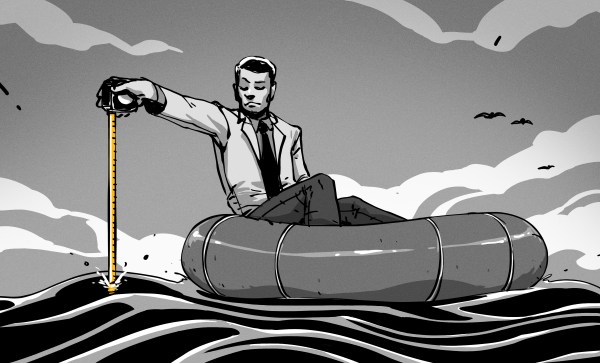
Sea Level: How Do We Measure Global Ocean Levels And Do Rising Oceans Change That Benchmark?

Every summer you go down the shore, but lately you’ve begun to notice that the beach seems narrower each time you visit. Is that the sea level rising, or is the sand just being swept away? Speaking of sea levels, you keep hearing that they rise higher every year — but how exactly is that measured? After all, you can’t exactly use a ruler. As it turns out, there are a number of clever systems in place that can accurately measure the global sea level down to less than an inch and a half.

Not only are waves always rippling across the ocean’s surface, but tides periodically roll in and out, making any single instantaneous measurement of sea level hopelessly inaccurate. Even if you plan to take hundreds or thousands of measurements over the course of weeks or months, taking the individual measurements is still difficult. Pick a nice, stable rock in the surf, mark a line on it, and return every hour for two weeks to hold a tape measure up to it. At best you’ll get within six inches on each reading, no matter what you’ll get wet, and at worst the rock will move and you’ll get a damp notebook full of useless numbers. So let’s take a look at how the pros do it.

Continue reading “Sea Level: How Do We Measure Global Ocean Levels And Do Rising Oceans Change That Benchmark?”









