Trying To Build Your Own Consumer-Grade Router In 2026

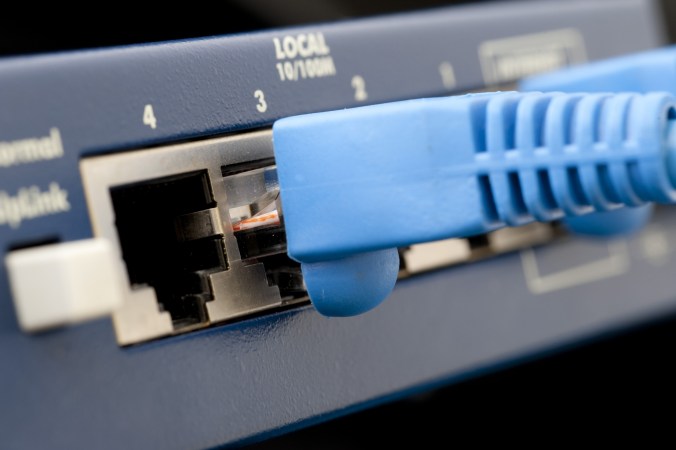
Although we have many types of networking equipment with many unique names, at their core they can usually be reduced to just a computer with some specific peripherals. This is especially the case for something like a router, a device found in just about any home these days. Certain consumer-grade routers may contain something special like a VDSL modem, but most of them just have a WAN Ethernet jack on one end and one or more LAN-facing Ethernet ports.

All further functionality is implemented in software, including any firewall, routing and DHCP features. What this means is that any old PC with at least two Ethernet ports or equivalent can be a router as long as you install the appropriate software.

In this article we’ll be taking a look at what consumer-level options there exist here today, ideally something so simple that the average home user could set it up with a bit of coaching.

Continue reading “Trying To Build Your Own Consumer-Grade Router In 2026”
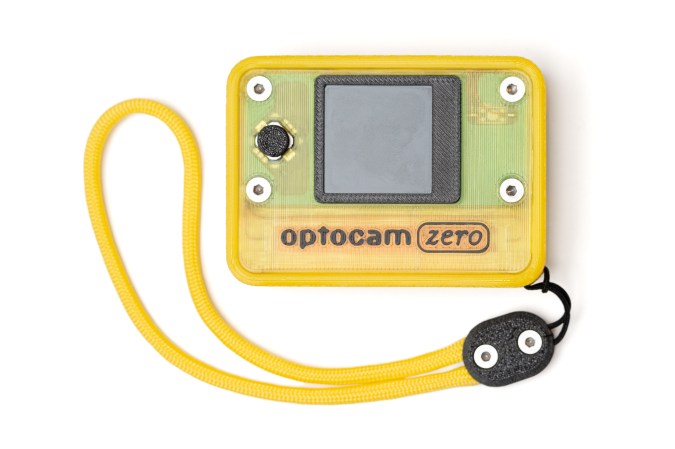
A Raspberry Pi Zero-based camera in a nice yellow case. There's a yellow lanyard, too.

Optocam Zero’s Pictures Look One Hundred

Yeah, we know, there’s a camera on your phone that does this and that. But these days its become trendy to turn towards older digital cameras in place of smartphones, and we can tell you from experience, that the joys of having a dedicated photographing contraption are many.

There’s plenty of cheap digital cameras on the secondhand market, but instead of fending off the clothes bros and other reseller types at the thrift store, stay home and build [Doruk Kumkumoğlu]’s Optocam Zero. Inspired by the Kodak Charmera and the like, [Doruk] aimed for something that’s playful, enjoyable, and intuitive to use.

Optocam Zero uses an auto-focus camera module and features eight photo filters. The screen dims when inactive to preserve battery life, but it can be charged back up with USB-C, and you can use it for the duration. And unlike my young adult camera, you don’t have to take out the SD card to see the pictures, just use the custom hotspot interface to transfer them.

Continue reading “Optocam Zero’s Pictures Look One Hundred”

Robot Bird Decoys Work For Good

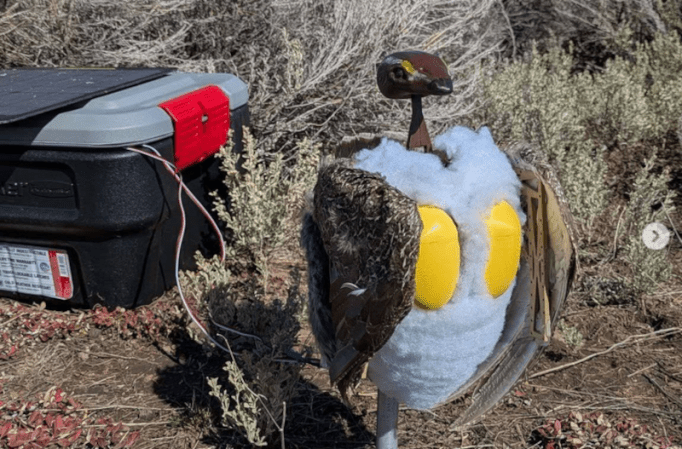
Usually, you think of bird decoys as being a tool to lure birds to an untimely encounter with a hunter. However, [Interesting Engineering] has a story about robotic bird decoys in Grand Teton National Park that are helping restore the dwindling number of sage grouse in the park.

While some decoys are static, others are motorized to replicate mating rituals. The goal: lure real birds to safer areas to breed. Particularly, they want the birds to avoid areas around the Jackson Hole Airport. The robots are built with help from local students and robotics teams. While some of the construction is made of fabric and foam, actual bird feathers are also used.

The robots mimic lekking behavior, a courtship ritual where male grouse do repetitive motions combined with recorded mating calls. This attracts other grouse and, of course, results in chicks who will be raised nearby.

Assuming the effort is successful, the same technique could help other areas where restored areas are difficult to repopulate. You can find more pictures on the Park’s Instagram, and the title picture is from that collection.

Usually, when we see something like this, the robot is trying to remove something dangerous to the endangered plant or animal, not attract them.