In-cable Guitar Preamp


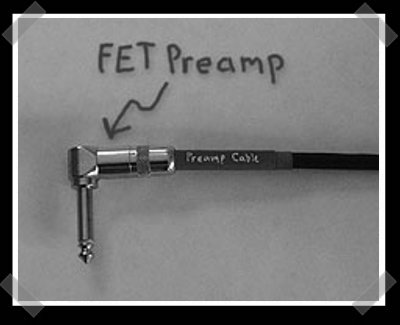
[Bryan] sent in this old but excellent guitar cable hack. [J. Donald Tillman] managed to fit a fet based pre-amp inside the 1/4″ connector of a guitar cable. It’s phantom powered – so it’ll leach power from the sound board/mixer. I’m just impressed that he fit the thing inside there.

On a side note, This is the kind of crap that gives hackers a bad name. I hope the jerks behind it end up as Soylent Green.

Reverse Engineering The Novint Falcon


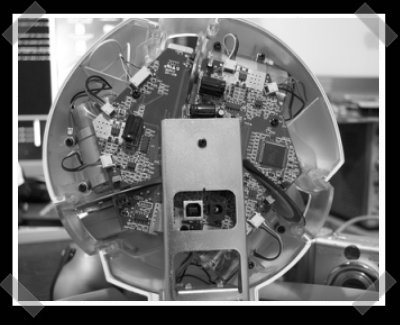
[qDot]’s been spending alot of time with the Novint Falcon haptic controller. He’s put together a ‘brain dump’ of everything he know about the device – and some notes on his efforts to put together his own software library for the thing. I’m definitely interested in the parallel robotics platform that it appears to be based on.

Nixie Tube VU Meter


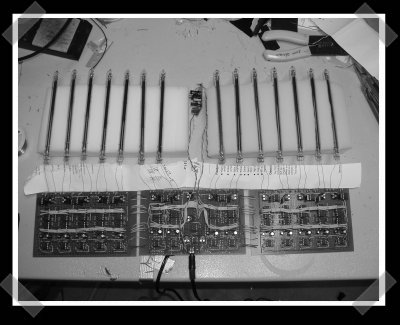
[Daniel] sent in his Nixie tube VU meter. It uses 14 Russian IN-13 Nixie bar-graph tubes. He built a custom circuit to amplify, filter, smooth and feed a voltage divider to assign signal levels to segments and finally some high voltage transistors to drive the tubes. The circuit looks pretty big, but it’s repeated for each tube – so he worked hard to keep the cost down as much as possible. Now this just needs to live on the front of a massive tube amplifier.

Wiimote Headtracking FPS Laser Gaming


Remember [John]’s Halloween laser tracking game? He’s been busy since then. After building his own version of multi-player missile command based on his laser interaction game, he added head tracking (using the same method as [Johnny Lee] . Check out the video after the break, and grab the full source for Mac or Linux.

Continue reading “Wiimote Headtracking FPS Laser Gaming” →

Wireless Fireworks Controller


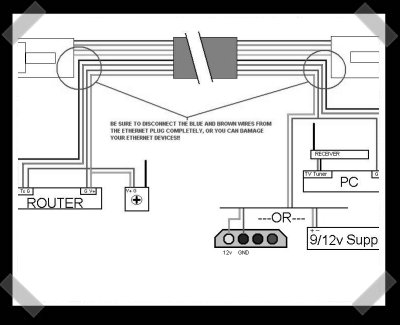
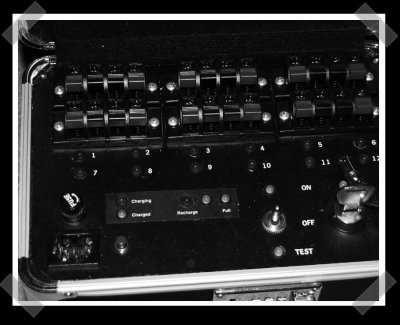
[Tuckie] sent in his wireless fireworks controller. The electronic parts are off the shelf – a 12 channel relay board and remote provide the guts. He used a rock tumbler to mill the black powder needed to make the detonators. A combination of the fine ground black powder, nichrome wire and ping pong balls makes up the business end of each detonator. When a channel is selected with the remote, the relay is activated, current is sent to the detonator which is taped to the firework fuse.

Make Your Own Aerogel

Our own [Eliot] dug this one up from the grave. While the recipe has been online for a while, do you know many 10 year olds who made their own Aerogel, that wonderful insulator that’s essentially gelled air? [William] made some(cache) for his science project in 2002. He started with Silbond H5, a combination of ethyl alcohol and ethyl polysilicate. You can get the MSDS after a painless email registration on the Silbond website. After the gel is formed you have to soak it in an alcohol bath to make sure all water has been removed from the structure. Then the gel is placed in a drying chamber. Liquid CO2 is forced into the chamber to displace all the alcohol in the chamber and the structure. Once the the alcohol is gone the supercritical drying phase begins. The temperature is raised to 90degF and the pressure is regulated to 1050psi. At this point the liquid CO2 in the gel structure takes on gas properties (looses surface tension) and leaves the silica structure. All that remains in the chamber is your new Aerogel which is 99% empty space and 1000 times less dense than glass.

Of course, if you’re lazy, you can buy some here.