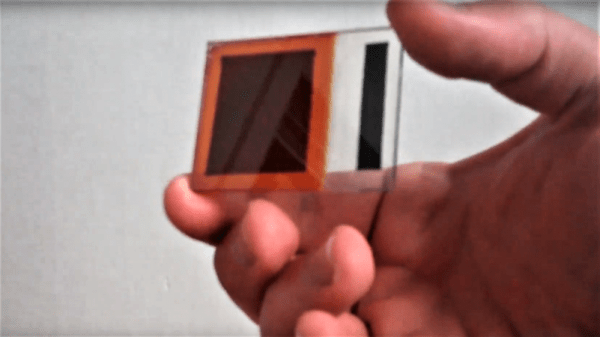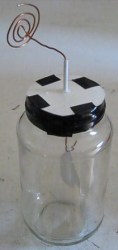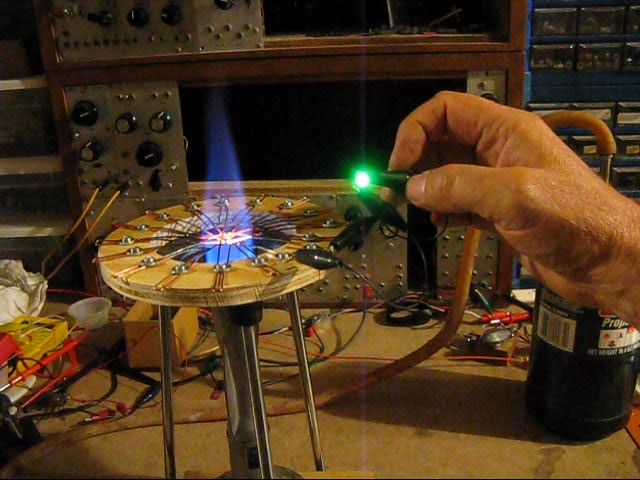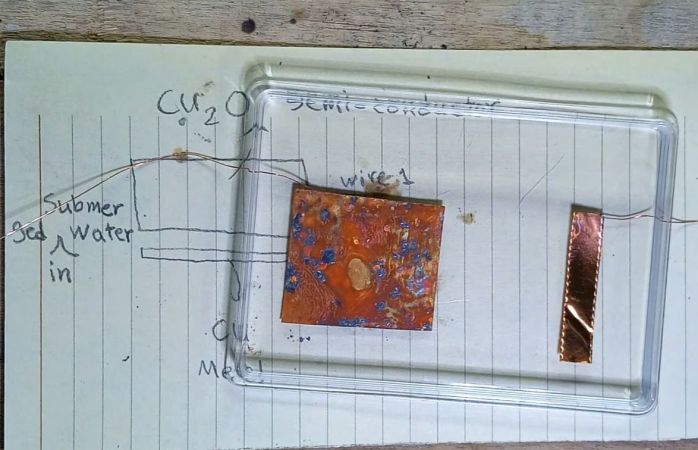
Photodetectors come in a wide variety of constructions and materials, with the Cu2O-based photodetector that [Mad Scientist Creations] demonstrates in a recent video being a good example of a photodetector that can be created at home using nothing but some copper and a heat source.
Of the two copper elements in a salt water cell, one element is heated to the point where a copper oxide layer forms, specifically Cu2O, which acts as a semiconductor and provides the photosensitive layer. Even a fairly crude sensor created with a regular gas stove produces enough of a current that it can be used in a simple light detection circuit.
Although copper-oxide photodetectors may seem quaint, they are getting a lot of interest as they feature a very narrow bandgap at 1.2 eV. In a 2019 study by [Hyeon-Joo Song] et al. as published in Scientific Reports such a sensor is enhanced with an optimized grain structure that improves its performance, with much higher sensitivity and faster response times.
As demonstrated by [Andrzej Kwiatkowski] et al. in a 2024 paper in Solar Energy Materials and Solar Cells these copper-oxide sensors can also be used for gas detectors, though they used advanced gas deposition to produce the thin films instead of sticking a bit of copper tape into a natural gas flame.
Even if DIY copper-oxide sensors aren’t quite as exciting as what one can do with access to a well-equipped (semiconductor) lab, it’s still a pretty accessible material that lends itself for easy experimentation.
Continue reading “Making A Copper-Oxide Photodetector From Scratch”
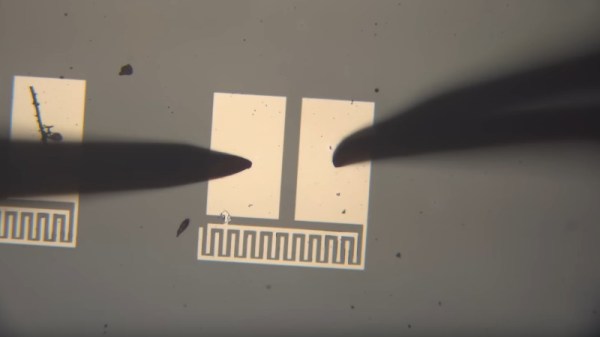

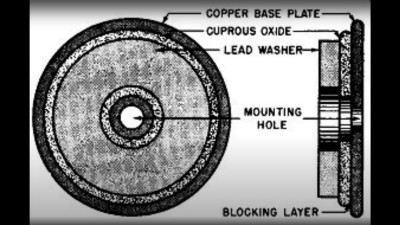 based not upon silicon or germanium, but copper. Copper (I) Oxide is a naturally occurring P-type semiconductor, which can be easily constructed by heating a copper sheet in a flame, and scraping off the outer layer of Copper (II) Oxide leaving the active layer below. Simply making contact to a piece of steel is sufficient to complete the device.
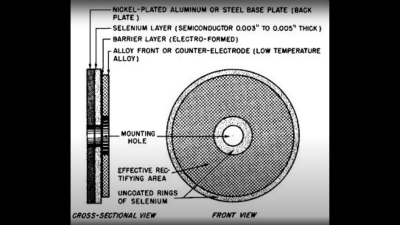 as the Selenium rectifier, based on the properties of a Cadmium Selenide – Selenium interface, which forms an NP junction, albeit one that can’t handle as much power as good old copper. One final device, which was a bit of an improvement upon the original CuO rectifiers, was based upon a stack of Copper Sulphide/Magnesium metal plates, but they came along too late. Once we discovered the wonders of germanium and silicon, it was consigned to the history books before it really saw wide adoption.