
ATmega8 Spectrum Analyzer

[Manekinen] built a very responsive spectrum analyzer. The components at the party are what you’d expect, an ATmega8 does the hard work interpreting data from the LM324 op-amp. This build stands out because it is fast and configurable. In fact, the explanation of the calibration process is where this project shines.

Instead of using water, an HD44780 module displays the spectrum data. The device currently supports several different character displays including 16×2, 20×2, 24×2, and 20×2. We’ve embedded a video of a 20×4 VFD in action after the break. As the video progresses, watch for the Polish words that pop up. This corresponds to the brightness and sensitivity being adjusted with the 5-button keyboard.

Continue reading “ATmega8 Spectrum Analyzer”

Collect And Analyze ECG Data

ecg

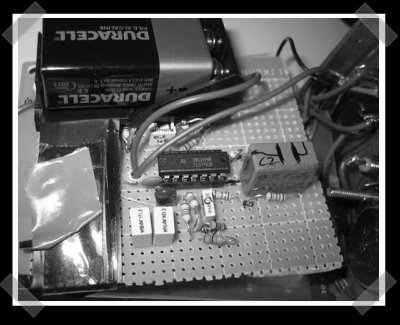
Although we’ve covered DIY ECGs before, [Scott Harden] sent in his version that gives an in-depth explanation of what to do with the collected data. He built a basic battery-powered op-amp-based ECG for under $1. The circuit just amplifies the signal from the chest leads and feeds it into a computer via the microphone port. He then used GoldWave to record, filter, and save the signal. From there, he used python to analyze the heartbeat and calculate his heart rate and further manipulate the data. His previous blog posts go into more detail on how the python code works and why he chose software over hardware filters.

Make An ECG With Your Sound Card


[Marcus] sent in his work on making ECGs. His first one was inspired by [Jason]’s. Believe it or not, you can build this thing for under $5. After getting it semi-functional, he decided to pick up a cheap one and mod it for PC input via the sound card. (There are plenty of sound card oscilloscope projects that will work for this.) Remember kids, don’t go sticking electrodes on anyone unless you know what you’re doing: correctly placed electrical shocks (even low power ones) can be deadly.









