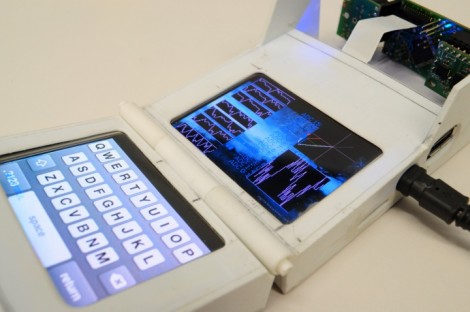
Smartphones are the most common expression of [Gene Roddneberry]’s dream of a small device packed with sensors, but so far, the suite of sensors in the latest and greatest smartphone are only used to tell Uber where to pick you up, or upload pics to an Instagram account. It’s not an ideal situation, but keep in mind the Federation of the 24th century was still transitioning to a post-scarcity economy; we still have about 400 years until angel investors, startups, and accelerators are rendered obsolete.
Until then, [Peter Jansen] has dedicated a few years of his life to making the Tricorder of the Star Trek universe a reality. It’s his entry for The Hackaday Prize, and made it to the finals selection, giving [Peter] a one in five chance of winning a trip to space.
[Peter]’s entry, the Open Source Science Tricorder or the Arducorder Mini, is loaded down with sensors. With the right software, it’s able to tell [Peter] the health of leaves, how good the shielding is on [Peter]’s CT scanner, push all the data to the web, and provide a way to sense just about anything happening in the environment. You can check out [Peter]’s video for The Hackaday Prize finals below, and an interview after that.
Continue reading “The Hackaday Prize: The Hacker Behind The First Tricorder”

 The project featured in this post is an entry in
 There’s actually no info on this project yet, but we have to admit — it’s a pretty cool (albeit nerdy) concept. They want to fit a Bluetooth headset with a loudspeaker into a
  This ones a really cool hack. A team of four have taken a 1978 Bally Star Trek Pinball machine, and converted it into a
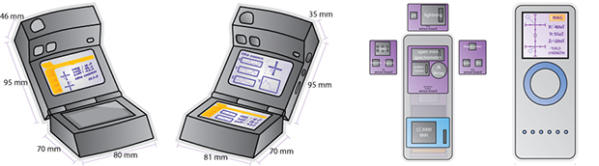
  The main goal of the project is to have it be able to detect and analyse electromagnetic, geographic and environmental parameters. There’s lots of inspiration for it, like the