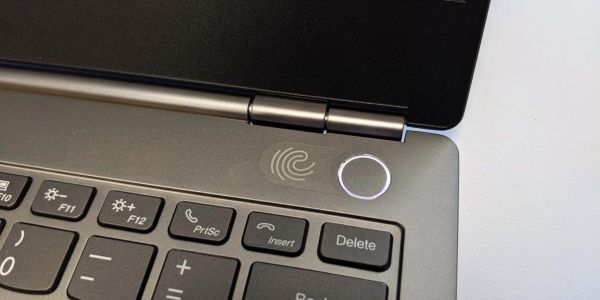
The fun part of security audits is that everybody knows that they’re a good thing, and also that they’re rarely performed prior to another range of products being shoved into the market. This would definitely seem to be the case with fingerprint sensors as found on a range of laptops that are advertised as being compatible with Windows Hello. It all began when Microsoft’s Offensive Research and Security Engineering (MORSE) asked the friendly people over at Blackwing Intelligence to take a poke at a few of these laptops, only for them to subsequently blow gaping holes in the security of the three laptops they examined.
In the article by [Jesse D’Aguanno] and [Timo Teräs] the basic system and steps they took to defeat it are described. The primary components are the fingerprint sensor and Microsoft’s Secure Device Connection Protocol (SDCP), with the latter tasked with securing the (USB) connection between the sensor and the host. Theoretically the sensitive fingerprint-related data stays on the sensor with all matching performed there (Match on Chip, MoC) as required by the Windows Hello standard, and SDCP keeping prying eyes at bay.
Interestingly, the three laptops examined (Dell Inspiron 15, Lenovo ThinkPad T14 and Microsoft Surface Pro X) all featured different sensor brands (Goodix, Synaptics and ELAN), with different security implementations. The first used an MoC with SDCP, but security was much weaker under Linux, which allowed for a fake user to be enrolled. The Synaptics implementation used a secure TLS connection that used part of the information on the laptop’s model sticker as the key, and the ELAN version didn’t even bother with security but responded merrily to basic USB queries.
To say that this is a humiliating result for these companies is an understatement, and demonstrates that nobody in his right mind should use fingerprint- or similar scanners like this for access to personal or business information.