Wireless Electrocardiography… With IPhone

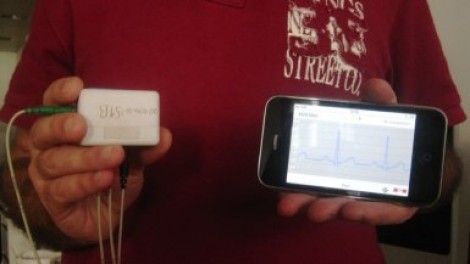
This module is a sensor package for monitoring the electrical activity of the heart. It is the product of an effort to create a Wireless Body Sensor Network node that is dependable while consuming very little electricity, which means a longer battery life. To accomplish this, the microcontroller in charge of the node compresses the data (not usually done with wireless ECG hardware) so that the radio transmissions are as short and infrequent as possible.

[Igor] sent us this tip and had a short question and answer session with one of the developers. It seems they are working with the MSP430 chips right now because of their low power consumption. Unfortunately those chips still draw a high load when transmitting so future revisions will utilize an alternative.

Oh, and why the iPhone? The device that displays the data makes little difference. In this case they’re transmitting via Bluetooth for a real-time display (seen in the video after the break). This could be used for a wide variety of devices, or monitored remotely via the Internet.

Continue reading “Wireless Electrocardiography… With IPhone”
Arduino UNO And Mega 2560

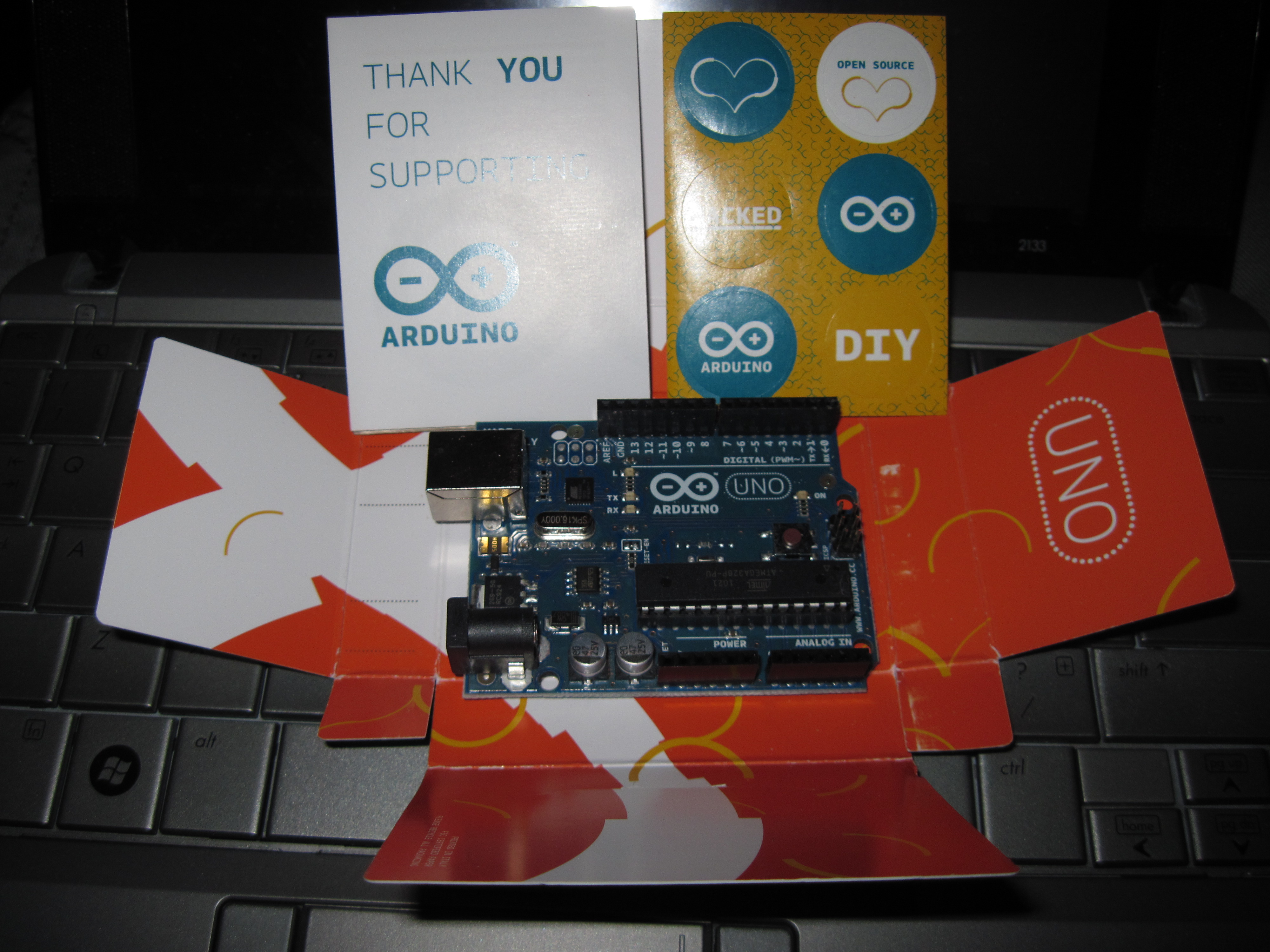
The Arduino Team presented some new products at Maker Faire this weekend. It’s a significant update. The Arduino UNO and Arduino Mega 2560 update the Duemilanove and Mega respectively. They now use an ATMega8U2 instead of an FTDI USB to serial converter chip. Allowing an Arduino to become nearly any kind of USB device. A fourth mounting hole has been added to the UNO for more stable mounting. The booloader is now the Optiboot bootloader. The boards can run firmata out of the box. We are not sure about existing Arduino boards, but the last six bytes of EEPROM have a unique serial number. At this point, the Mega 2560 has some kind of issue with gcc on certain platforms and unable to use the full memory available until there is an update to the IDE.

The team also gave a preview of some works in progress. Arduino Ethernet POE can be power over ethernet and loaded with TFTP. Available October 18, TinkerKit will be released. Geared toward designers, the kit has PCB modules that include a joystick, soft pots, transistor, relay, power MOSFET, push button, LEDs and motor driver. That same day will be the launch of the multi-lingual Arduino Store.

These developments will be a nice addition to the toolset out there that you can use and we look forward to new projects using these tools.

Update: [PT] sent us a link to an ever-growing FAQ about this hardware.

Beginner Concepts: All About AVR Interrupts

Microcontroller interrupts are one of the big tools in our embedded programming arsenal. They make the chip listen for particular events, and once detected they stop what they’re doing and run a separate set of code called and Interrupt Service Routine. We’ve come across two fairly new tutorials on the subject that you should check out if you’re not yet a master on the topic. One is a ProtoShack tutorial on ATmega168 external interrupts, and the other is a Newbie’s Guide to AVR Interrupts by [Dean Camera] (we’ve been a fan of his tutorials for some time). Both cover a range of topics from what interrupts are, to avoiding the common problems of volatile data types and the compiler optimization caveats.

What can you do with interrupts? External interrupts can be used to wake up a project like this LED menorah from sleep mode. Interrupts can be used to monitor a timer for a certain value or an overflow for use in generating a pulse-width modulation signal. The TI Launchpad uses an interval timer interrupt for button debouncing in projects like this code which was ported from an AVR chip. The source for both is available if you wanted to compare how the two differ.

Interrupts are powerful. Learn them, love them, use them.

Scanning Tunneling Microscope Under GPL3

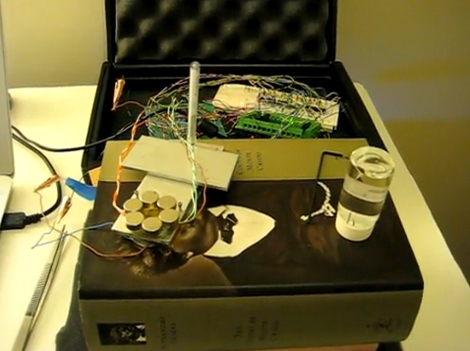
ChemHacker has posted schematics and code for a scanning tunneling microscope. [Sacha De’Angeli] finalized the proof-of-concept design for version 0.1 and released all of the information under the Gnu general public license version 3. You’ll need to build a sensor from a combination of a needle, a piezo, and a ring of magnets. There’s an analog circuit that gathers data from the probe, which is then formatted by and Arduino and sent to your computer.

We haven’t really dabbled in this type of equipment, though we did cover an STM earlier in the year. Take a look at the video after the break and then help jump-start are imagination by sharing your plans for this equipment in the comments.

Continue reading “Scanning Tunneling Microscope Under GPL3”

Making Your Own Lithium-ion Batteries

You can make your own lithium-ion batteries if you have a source for individual cells and a control board to match your desired voltage levels. [Bill Porter] put together a quick tutorial where he makes a 14.4V 2.2 AH battery for about $10. He picked up a set of cable-modem backup batteries (used to make sure your bundled phone service doesn’t quit working when the power goes out) and tore out the cells. After reconfiguring the connections and swapping out the controller board the original 8V battery is now 14V. This doesn’t take into account any problems with battery life and charge leveling, but that’s a whole different tutorial waiting to happen.

If this type of battery hack is child’s play to you, take a look at a more involved lithium iron phosphate build.

DRM Causes Vulnerabilities

This image is from Microsoft's DRM page.

We often hear people touting the evilness of DRM, but usually they are talking about the idea of ownership. In this case, DRM is actually causing harm. It turns out that Microsoft’s msnetobj.dll, which is supposed to enforce DRM on your computer, stopping you from doing certain things like saving files you don’t “own” is open to 3 attacks.  Vulnerable to buffer overflow, integer overflow, and denial of service, this sucker is riddled with issues.

The vulnerabilities in this file aren’t groundbreaking. Buffer overflow is a common method to get to many systems. The problem here, according to some commenters at BoingBoing, is the fact that this DLL is called every time you open a media file.

[via BoingBoing]

PS3 Sixaxis Controller Now Houses Exploit

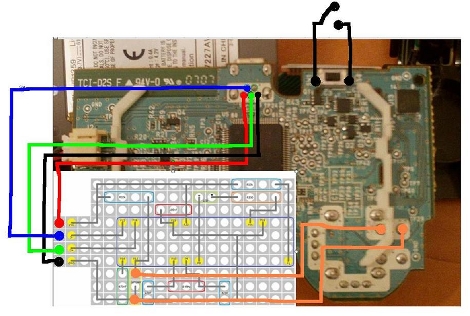
[Hasuky] posted a guide for turning a PlayStation 3 Sixaxis controller into a PSGroove exploit device (translated). Unfortunately you’ve got to crack open the controller and add some parts to get it working. The hack requires a PIC 18F2550 (a chip we’ve already seen used as a standalone PSGroove device), a crystal, and various resistors and capacitors to connect to the controller’s PCB. From there you connect the USB cable between the controller and the game console and boot using the exploit.

[Thanks Craig via DCEmu]