Hack A Day Is Still Hiring


We’ve added a handful of contributors in the last couple months, which you can see in our new How-Tos. We’re still looking for people to contribute daily posts and help expand the site though.

This is a paid, freelancing position that requires professionalism, consistency, and reliability. We want to hear from people that are passionate about software/hardware hacking and growing Hack a Day. To apply, send the following to jobs@hackaday.com

  • A short bio about yourself
  • 3 example daily posts written in the style of Hack a Day
  • 3 software or hardware how-tos you’d like to see. For examples of work we’ve done in the past, look here, here, here, and here.
  • A couple sentences on how you would improve the site either through features or content
  • Any additional reasons why you would make a good fit for Hack a Day

Do not send any attachments. Having your own blog you can show off is a definite plus.

[photo:fbz]

StereoData Maker


So you got CHDK working on your camera, and the histograms, raw image files, variable shutter speeds and other added functions are amazing, but stereo imaging is what you really want. If you have two or more CHDK-ready cameras, it’s cheap and easy to run StereoData Maker, a system that synchronizes the shutter and flash of multiple cameras.

The first step in getting SDM to work is installing the software on your SD card. You’ll need to find the correct version for you camera; a list is available on the main SDM page. If you are running Windows XP or Vista, run the installer in the zip file. Otherwise, load the files on the SD card and run the installer directly from the camera. Then decide whether this will be the right or left camera and repeat the steps for your second camera.

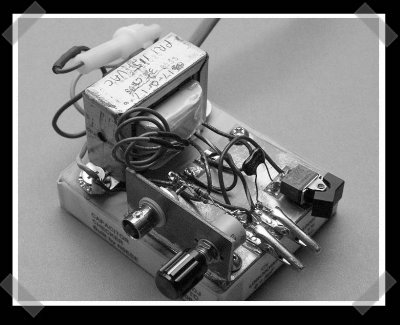
Next, you’ll need to prepare a switch unit, essentially a set of synchronized USB remotes. There are many ready made commercial units available, but building one on your own shouldn’t be much trouble, and a few ideas are provided on the SDM instruction page.

You’re basically ready to start shooting stereo images, just take a few test shots to get used to it and to customize the configuration on the cameras.

The Rock-afire Explosion Movie Trailer


A small group of enthusiasts have apparently been restoring and reprogramming the animatronic bands from the former Showbiz Pizza Place chain. Original engineer [Aaron Fechter] and car salesman/choreographer [Chris Thrash] have started performing modern pop songs with the bands and have a page where you can bid on new songs to perform. This feels like Billy Bass hacking on a much larger scale. The original machines were controlled by a four track reel, but now they’re using a hard disk recorder. The trailer above is worth watching just for the rows of partially assembled bears performing on the factory floor.

[via Waxy]

Really Bare Bones Board Arduino Clone


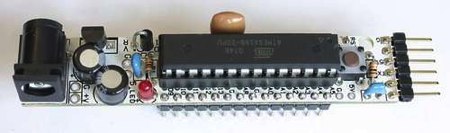
Modern Device’s Really Bare Bones Board is an Arduino clone designed to have an incredibly small footprint. It’s barely wider than the requisite AVR and is laid out so you can reduce the size even further. Don’t need the power connector? Just snip it off. Don’t need the voltage regulator? That can be removed just as easily. The kit is only $12 and all through-hole components. [youevolve] posted a build guide that shows exactly how easy it is to assemble.

Related: Freeduino SB 2.1 review

Motorcycle Engine Powered Cars


Autoblog recently posted about the LusoMotors LM23, a track car powered by a Honda CBR1000 that weighs less than 900 pounds. We knew there have been quite a few other home built cars that have foregone traditional engines for motorcycle power plants, so we asked Google for a few project suggestions. It turned up this excellent round up of motorcycle powered cars by The Kneeslider. The usual Caterham suspects show up, but there are many other unique vehicles: from Mini and Fiat conversions to the unique sidemounted engine in the DP1 pictured above. Definitely check out this excellent collection.

Data Manipulation With Sprog


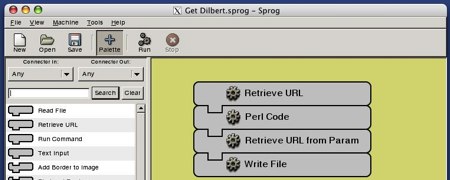
Linux Journal’s [Mike Diehl] pointed out an interesting tool for manipulating data: Sprog. Sprog lets you assemble machines to complete specific data processing tasks. You snap together gears that read input data, process the data in different ways, and then output the results. The input could be a file, URL, database query results, or even MIDI notes. For processing you could be matching patterns, selecting csv columns, converting to uppercase, or executing arbitrary Perl code amongst many other options. Finally the output could be shown in a text window, inserted into a database, written to a file, or sent to your spreadsheet application. Sprog’s site has a section for user uploaded gears and a recipe section for examples like this crossword puzzle solver. Everything Sprog does could be done with scripting, but this is a simple graphical tool that could help you solve a problem without having to know the gory machinery behind it.