Linux IPhone Sync Draws Near

linux-iphone-sync-support

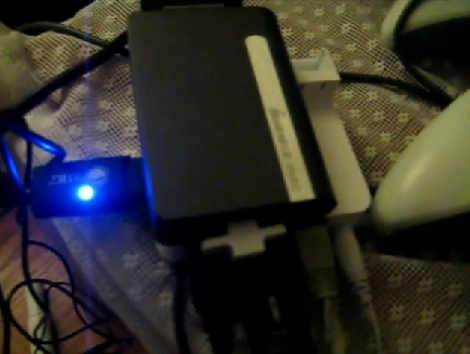
[Emuboy] lets us know about some software advances that will make iPhone and iPod Touch syncing possible under Linux. Apple made big changes to how the iPhone syncs compared to legacy iPods. Locking out all communications other than through iTunes was surely part of their motivation. This has left Linux users out in the cold with shoddy sync capabilities which should be coming to an end. If successful, syncing will be be possible with phones that have not been jailbroken.

One of the biggest hurdles in reverse-engineering the new protocol is the non-standard way in which the devices communicate over USB. The usbmuxd developers have been working to implement communications and now have a Release Candidate for the 1.0.0 version. Along with testing of this package, libgpod is now being updated to play nicely with the new database format and hash of the iPhone.

This isn’t quite at the plug-and-play level of convenience yet but if you’re comfortable working with Linux packages you should be able to get this working and help report any bugs you might find. But if you’re tired of open source playing cat and mouse with Apple you can always switch over to a device based on Android.

Head-mounted Computer With Linux, WiFi

hmdlinux

Most wearable computers we’ve seen feature a head-mounted display tethered to a small PC system in a backpack or worn on a belt. Here’s a slick little system that does away with the cord, fitting the entire system in the glasses.

[Pascal Brisset’s] WXHMD is based on the tiny Gumstix Overo Fire computer-on-module which features a beefy, 3D-capable OMAP processor that runs Linux. The Gumstix is interfaced with a Vuzix VR920 head-mounted display that includes a three-axis accelerometer and compass. Tying these together is a custom video digital-to-analog converter board of [Pascal’s] own design, created using direct-to-PCB inkjet printing techniques. For less than $1,000 total in parts, the result is a spatially aware six ounce computer, with display and battery and all, that fits neatly over the bridge of one’s nose.

It’s a fantastic hack and a nicely documented project, though even the device’s creator himself questions whether having a pair of microwave transceivers and a LiPo battery strapped directly over one’s eyes and brain is such a good idea.

[thanks w3pt]

$100 Portable Wikipedia

wr_hand1_small

OpenMoko, the company behind the FreeRunner open-source phone, released their latest product today: WikiReader. It’s a small mobile device for browsing Wikipedia. Rather than use a wireless network to pull data off of the web, it has local copy of the database on a 8GB microSD card. This approach has been used before, and it lets the WikiReader be compact and really cheap. It uses a Kindle-esque touch-screen display that allows it to run on 3 AAA’s for about a year. The device itself costs just $99, but you can choose to receive updates by snail mail for just $29/year. Alternatively, you can just download the +4GB file and dump it on the card.

Like the FreeRunner, this project is also open-source. The code isn’t available yet, but they say it will be released soon. With luck, the device will be really easy to hack.

Doom On A Picture Key Chain

[vimeo http://vimeo.com/6878807%5D

Alright, so Doom isn’t actually running on the key chain itself, but rather a BifferBoard: a small 150MHz x86 containing ethernet, serial, and even USB with only one watt of power consumption! The project is to show how easy it is to program the BifferBoard and getting it talking to other hackable items – such as the picture key chain for a display. Doom does appear a bit slow, but [Biff] figures its do to how haphazardly it grabs keyboard input over SSH.

Ubuntu 9.10 Beta Now Available

ubuntu_karmic_beta

The latest version of the world’s most popular Linux distribution is now available. Ubuntu 9.10 Karmic Koala continues the six-month development cycle of this free OS. We’ve used Ubuntu since 2005 and, after a short adjustment period, never looked back at those other operating systems.

Never used Linux? This distribution is for you but we recommend waiting until the release makes it out of beta to the stable version on October 29th.

Comfortable with Linux and want to get your feet wet? The Hack a Day team is calling on all of you to test, report, and improve upon this community driven project. Get yourself a copy of the beta (we recommend using the torrents) and start reporting bugs. You can help fix them by joining the bug squad, or use your coding skills to become a developer.

With Zipit, Who Needs A Netbook?

[youtube=http://www.youtube.com/watch?v=x_LrI2g2VT8]

[Hunter Davis] keeps rolling out the hacks for the Zipit. In the past he showed us how to run DOSbox, and then how to get NES emulation working on this tiny device. Now he’s got Linux kernel 2.6.29 running Fluxbox with mouse (newly added), audio, and WiFi functionality. Follow his step-by-step flashing instructions to load the kernel into the Zipit. Once flashed, a partitioned microSD card servers as the filesystem and swap.

Who needs a 10.1 inch screen or an Atom processor when you can get this 2.8″ QVGA beauty with an XScale processor for around $40?

[Thanks Matt]

New Wii Drive Hardware Emulation

wii_drive_emulation

The Wii-Optical-Drive-Emulator (WODE) makes it possible to load Wii and GameCube ISO files from an SD card or USB storage device. This hack uses the ribbon cable for the optical drive to connect to the Wii, requiring no soldering. The WODE is based on an ARM9 processor, runs Linux, and features a backlit LCD screen and 4-way center click joystick. Storage can be hot plugged and then an ISO selected using the stick and LCD display. Selected ISO files appear in the game channel as if an original disc had just been inserted into the drive.

The developers claim that a Wii firmware upgrade will not be able to lock out the WODE. There is also a second ribbon-cable connector to use as a pass-through, giving the option to keep the optical drive hooked up if you so desire. Now the race is on for a replacement case that can house all of this new hardware and still look nice like the original. We wouldn’t be surprised to see a homebrew channel program that allows ISO selection without having to walk over to the console.

The original report (in dutch) is a dead link so here’s the Google cache copy translated. These links came via the translated Tweakers article (here’s the original Dutch). Video after the break. Don’t pirate video games!

[Thanks Roy]

Continue reading “New Wii Drive Hardware Emulation”