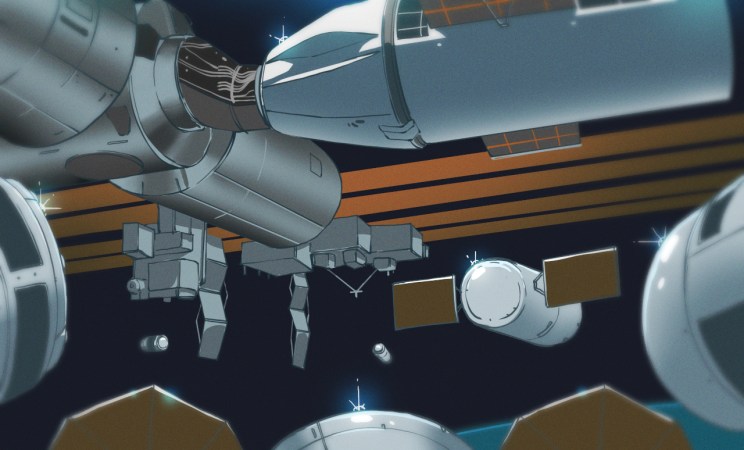
While many in the industry were at first skeptical of NASA’s goal to put resupply flights to the International Space Station in the hands of commercial operators, the results speak for themselves. Since 2012, the SpaceX Dragon family of spacecraft has been transporting crew and cargo from American soil to the orbiting laboratory, a capability that the space agency had lost with the retirement of the Space Shuttle. Putting these relatively routine missions in the hands of a commercial provider like SpaceX takes some of the logistical and financial burden off of NASA, allowing them to focus on more forward-looking projects.
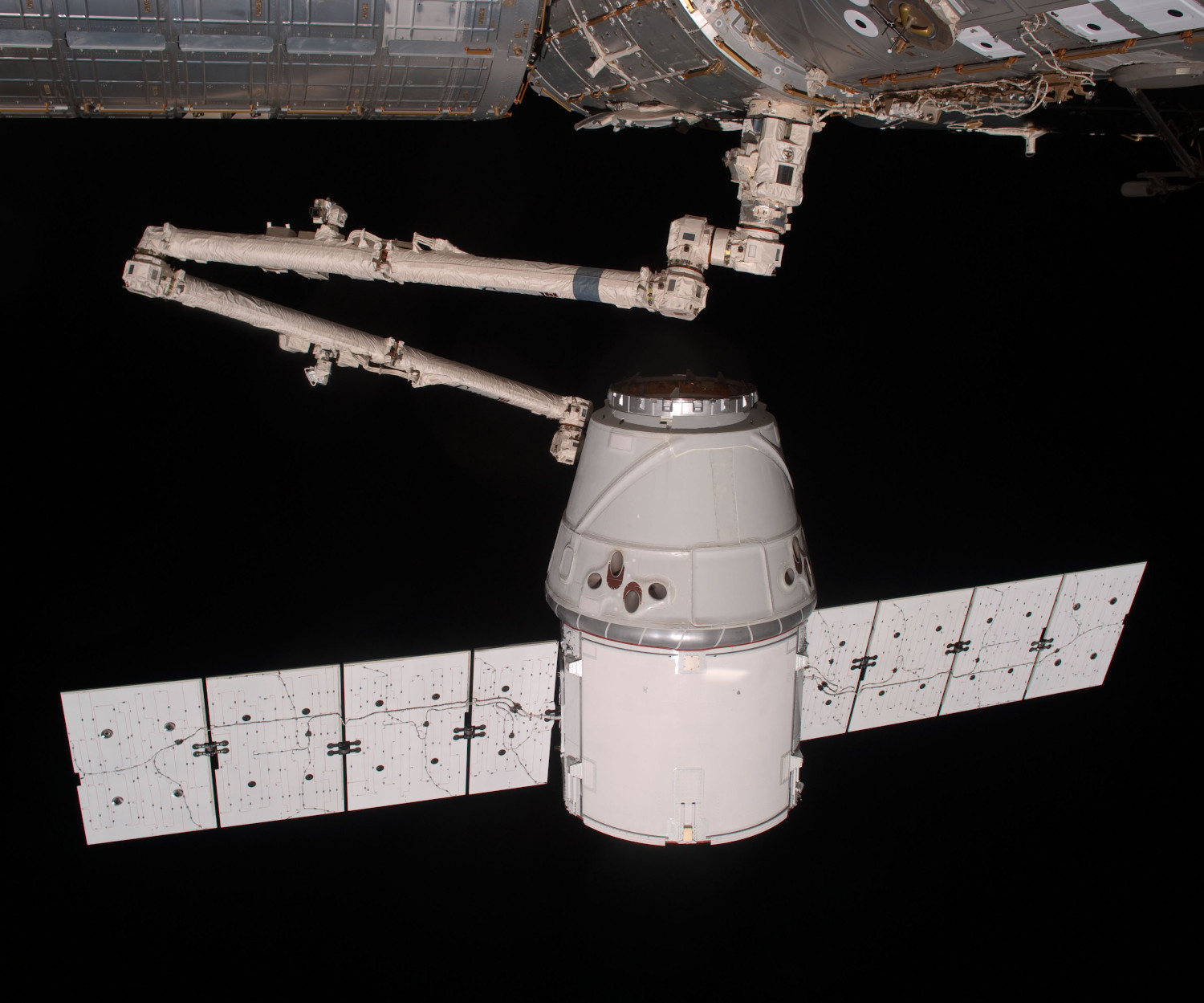
But as the saying goes, you should never put all of your eggs in one basket. As successful as SpaceX has been, there’s always a chance that some issue could temporarily ground either the Falcon 9 or the Dragon.
While Russia’s Progress and Soyuz vehicles would still be available in an emergency situation, it’s in everyone’s best interest that there be multiple backup vehicles that can bring critical supplies to the Station.
Which is precisely why several new or upgraded spacecraft, designed specifically for performing resupply missions to the ISS and any potential commercial successor, are coming online over the next few years.
In fact, one of them is already flying its first mission, and will likely have arrived at the International Space Station by the time you read this article.
Continue reading “A New Generation Of Spacecraft Head To The ISS”