Electric-assist Bicycle Uses LiFePO4 Batteries

This bicycle add-on uses an electric motor to help you out. This way the motor takes advantage of the gearing normally available to the cyclist. What interests us most about the system is the DIY battery work they’re doing. The cells are using Lithium Iron Phosphate technology. The li-ion cells you’re used to seeing in consumer electronics are actually Lithium Cobalt Oxide. The Iron Phosphate flavor offers longer overall lifespan, better operation between charges over that life, and improved cold-weather performance.  The drawbacks include a 20-cycle break-in period and an affinity for trickle-charging versus faster charging methods.

The 48V cell seen above will provide 30-40 miles of travel between charges. We feel that getting the power plant out of our vehicles is an important step toward energy overhaul but it can only happen if the battery technology makes it possible. Then again, perhaps we’re barking up the wrong tree and should have placed our bets on compressed air.

[Thanks Tom]

Keep Tabs On Your Car Without OBD-II

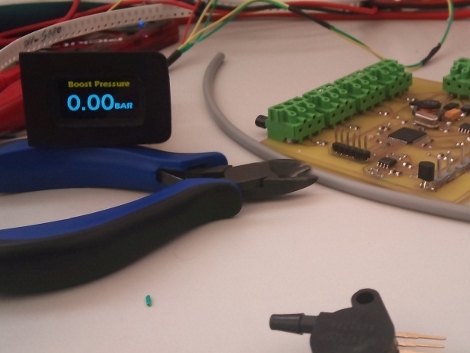
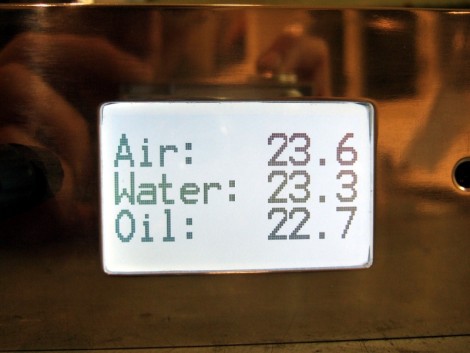
[Steve] let us know about his MultiDisplay car monitoring system. Unlike traditional systems that rely on interfacing with the OBD-II protocol and existing car computer, the MultiDisplay uses an Arduino and custom shield with a combination of sensors; including temperatures, pressures, throttle, Boost, and etc. The data collected can then be displayed on a 20×4 LCD or streamed to a PC with visualization and event recording.

It’s nice to see half a years worth of work finally be complete and presented in such a clean and professional manner, keep up the good work [Steve]

Mondo Spider

This vehicle is aptly named the Mondo Spider. It’s not from some apocalyptic movie, but seen here at Burning Man. Like a lot of Burning Man exhibitions, it was built for the joy of the build and with a rather extreme budget: $15,000. We’ve embedded one of the many videos after the break, as well as a few of the hardware details.

Continue reading “Mondo Spider”

Coffee Powered Car-puccino

We can only imagine how amazing this coffee burning car smells at it speeds down the highway at a maximum of 60mph. Don’t jump out of your seat so quick to get your own, while the idea sounds fantastic, the mileage will bring you back to earth rather quick. At 3 miles per kilo of coffee, it can turn that £36 210 mile trip into one between £910 and £1,820 with a stop to re-bean-fill every half hour!

Still, the Car-puccino is an amazing conversion, and we’re getting closer and closer to Back to the Future’s Mr. Fusion

[Thanks Tim]

Hacking Space Without Profit Or Secrecy

Reader [Jacob] tipped us off about a project the aims to make the final frontier open source. The mission of the Copenhagen Suborbitals is to launch a man into space. What they’re not interested in is turning a profit, carrying hazmat or weapons, or keeping what they learn to themselves.

Surprisingly enough, isn’t this the next logical step after hobbyists send cameras into space? This team thinks so and they’ve been hard at work building and testing rockets. With the last round of successful tests behind them, they’ve paved the way for a launch of the first round of the campaign on June first. Da duh daaaah da duh duh da daaaaa

Build Your Own Hub Motor

Hub motors put the power inside of the wheel. [Teamtestbot] goes deep into the hows and whys of building these motors, from parts, to windings, to the math behind the power ratios. The working example puts an electric motor inside the rear wheel of a Razor scooter. Past projects used belts to transfer the work of the motor to the wheel of the scooter. By integrating the motor and the wheel you end up with a much cleaner looking product. Check out the motor testing and the scooter test drive after the break.

For more tips on building your own electric motors take a peek at the Fly Electric page we covered back in November.

Continue reading “Build Your Own Hub Motor”

Converting A Miata To All-electric

[Henry Herndon] converted a Mazda Miata to an all-electric vehicle. There’s a ton of great information in his archives, as well as a round-up video that we’ve embedded after the break. It’s interesting to see him implement two different types of Nalgene bottles as coolant reservoirs. The polycarbonate on the first shattered on him but the soft plastic replacement seems to have done the trick. The batteries add a lot of weight to the vehicle and he ends up refitting the suspension to compensate. [Henry] registered the vehicle with the state and now has a street legal EV of his own design.

Also worth a look is his post covering the 2009 Wayland Invitational. There as a large collection of electric vehicle conversions at the get together.

Continue reading “Converting A Miata To All-electric”