Most people wish they were more productive. Some buckle down and leverage some rare facet of their personality to force the work out. Some of them talk with friends. Some go on vision quests. There are lots of methods for lots of types of people. Most hackers, I’ve noticed, look for a datasheet. An engineer’s reference. We want to solve the problem like we solve technical problems.
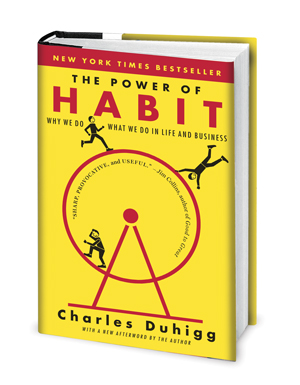
There were three books that gave me the first hints at how to look objectively at my brain and start to hack on it a little. These were The Power of Habit by Charles Duhigg, Flow By Mihaly Csikszentmihalyi, and Getting Things Done By David Allen.
I sort of wandered into these books in a haphazard path. The first I encountered was The Power of Habit which I found to be a bit of a revelation. It presented the idea of habits as functions in the great computer program that makes up a person. The brain sees that you’re doing a task over and over again and just learns to do it. It keeps optimizing and optimizing this program over time. All a person needs to do is trigger the habit loop and then it will run.
For example: Typing. At first you either take a course or, if your parents left you alone with a computer for hours on end, hunt-and-peck your way to a decent typing speed. It involves a lot of looking down at the keyboard. Eventually you notice that you don’t actually need to look at the keyboard at all. Depending on your stage you may still be “t-h-i-n-k-i-n-g”, mentally placing each letter as you type. However, eventually your brain begins to abstract this away until it has stored, somewhere, a combination of hand movements for every single word or key combination you typically use. It’s only when you have to spell a new word that you fall back on older programs.
Continue reading “Program Your Brain, Hack Your Way To Productivity”

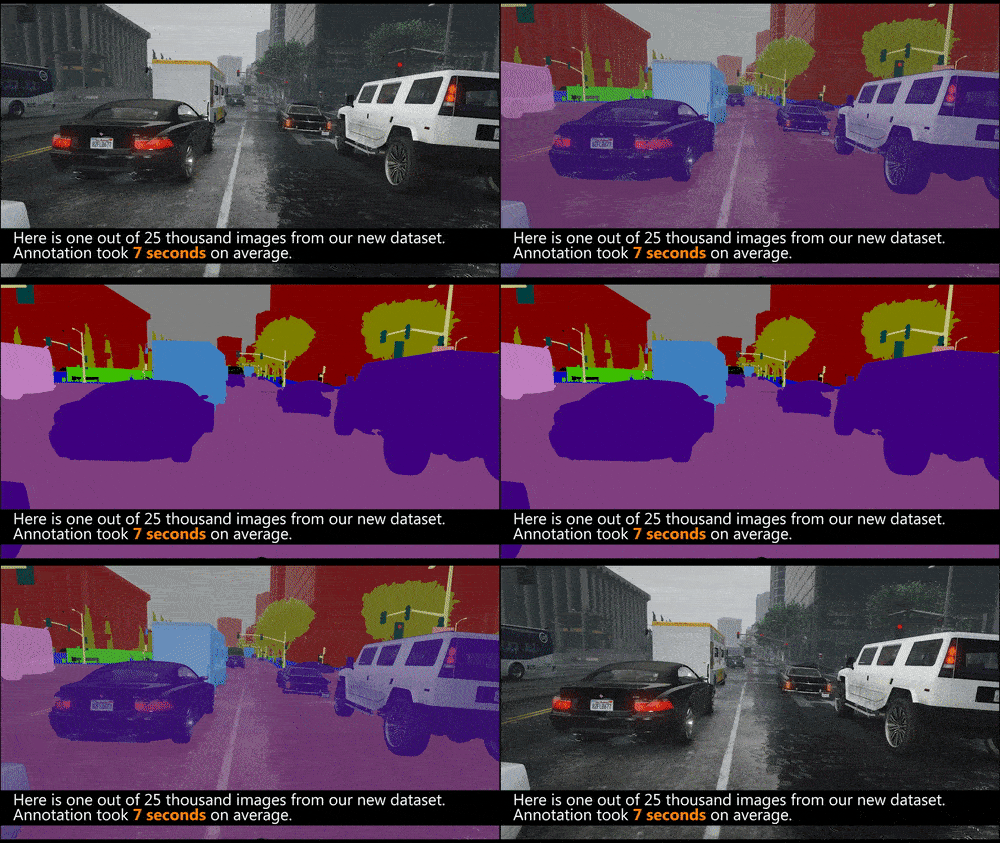
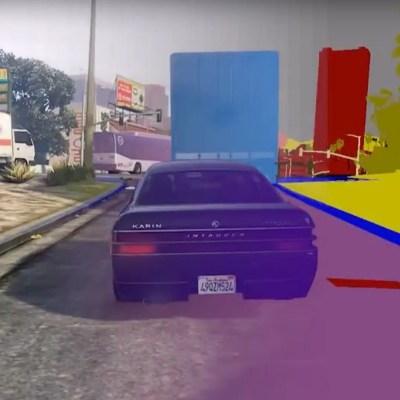 The hard problem with this approach is getting a large enough sample for the machine learning to be viable. The idea is this: the virtual world provides a far more efficient solution to supplying enough data to these programs compared to the time-consuming task of annotating object data from real-world images. In addition to scaling up the amount of data, researchers can manipulate weather, traffic, pedestrians and more to create complex conditions with which to train AI.