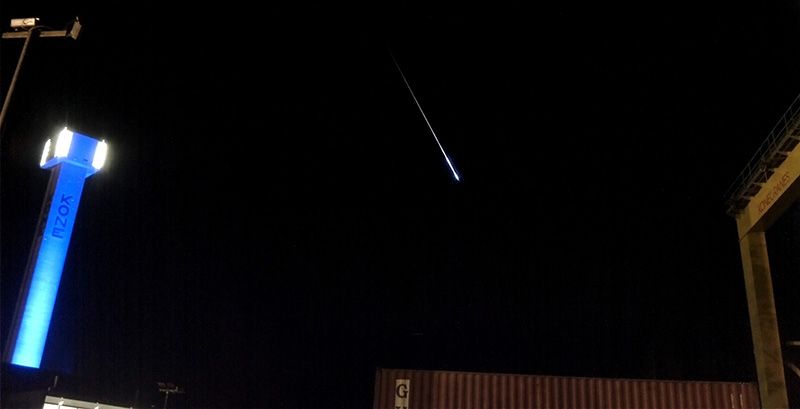
The Raspberry Pi is an incredibly popular, cheap, and low power computer that also has a nifty camera add-on that is completely programmable. This opens up a log of possibilities for long-exposure photography, and [Jippo] has found the best use so far: long exposure astrophotography for capturing meteors, satellites, and star trails.
[Jippo] is using a stock Raspi and camera module with a little bit of custom software written by his friend [Jani Lappalainen] that grabs image data from the camera and saves it either as a time-lapse, or only when something significantly changes. This would include meteors and Iridium flares, as well as passing planes, reflections of satellites, and of course long-exposure star trails.
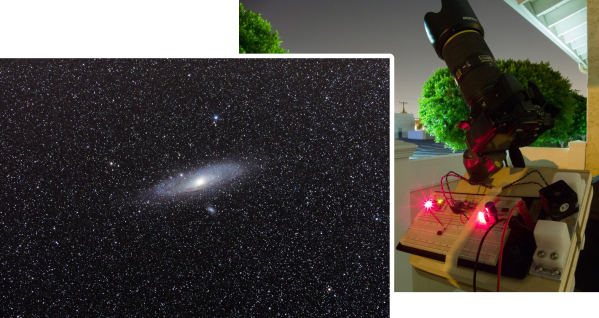
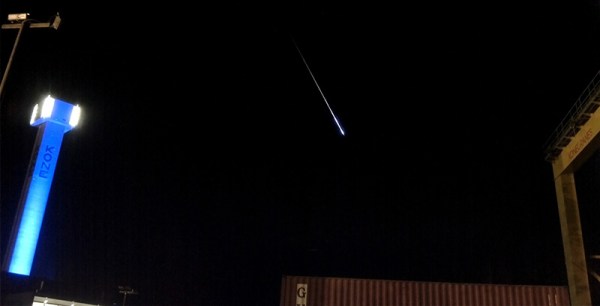
So far, [Jippo] has already captured enough images to amount to a great night of skywatching. There’s a great picture of a meteor, a few pictures of satellites reflecting the sun, and some great star trails. The software [Jippo] is using is available on his site along with a gallery of his highlight reel.
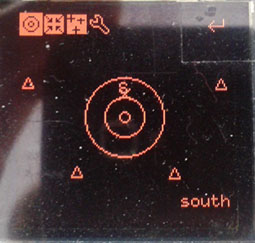 With the advent of electronics in everything, amateur astronomy has never been easier. Telescope mounts that point in the direction of any astronomical object automatically have been around for decades, and the Telrad – a device that paints 0.5, 2, and 4 degree diameter circles in your finder scope’s field of view are available if you’re just too cool for letting a robot do your job.