FibreSeeker 3: Continuous Carbon Fiber Vs Chopped CF

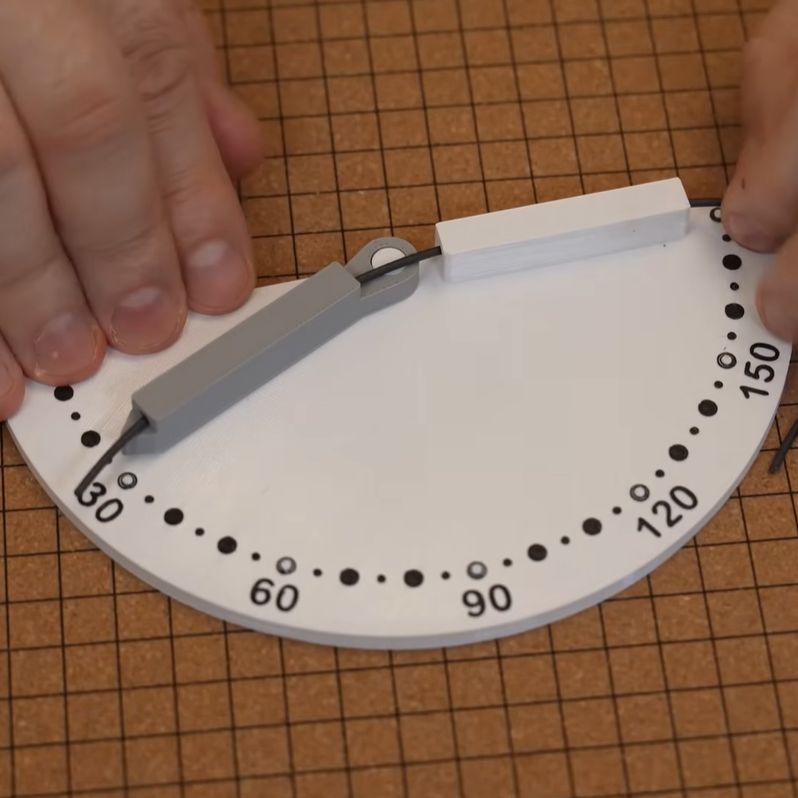
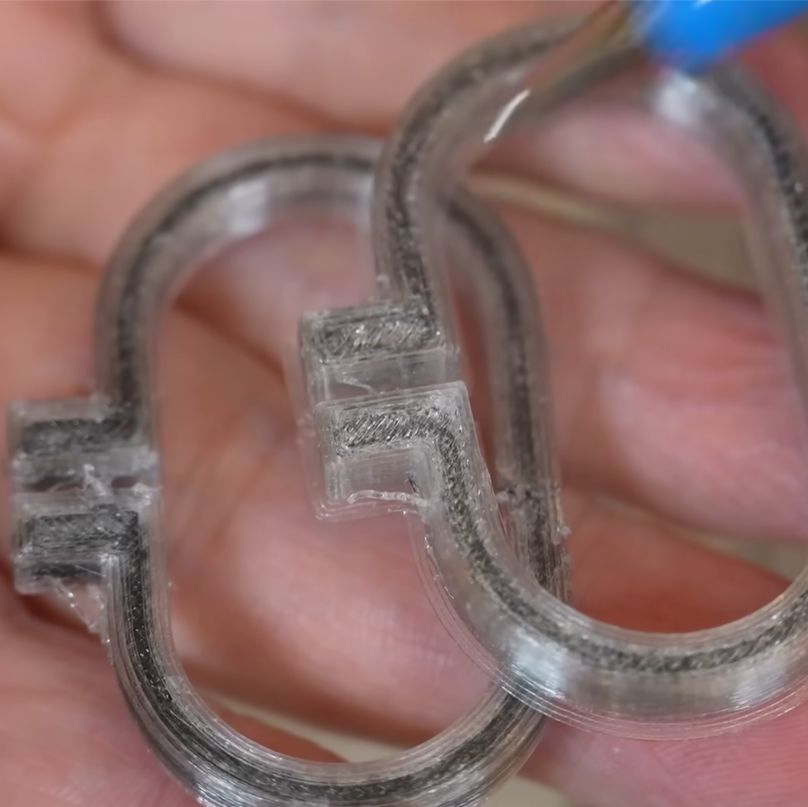
Although you can purchase many types of FDM filaments containing ‘carbon fiber’ these days, they are in no way related to the carbon fiber (CF) composite materials used for rocket hulls and light-weight bicycles. This is because the latter use continuous fibers, often in weaved CF mats, whereas the FDM filaments just use small, chopped, fragments of CF. Obviously this will not result in the same outcome, which makes it interesting that a company called Fibre Seek is now running a KickStarter for a very affordable co-extrusion FDM printer that can add continuous CF to any part. They also sent a few test parts to [Dr. Igor Gaspar] for testing against regular FDM CF prints.

It should be noted here that continuous CF with FDM is not new, as Markforged already does something similar, though at a ‘Contact us for a price quote’ level. The advantage of the Fibre Seek solution is then the co-extrusion that would make printing with continuous CF much more flexible and affordable. Based on the (sponsored) [CNC Kitchen] video of a few weeks ago at a tradeshow, the FibreSeeker 3 printer is effectively a standard CoreXY FDM printer, with the special co-extrusion dual print head that allows for CF to be coated with the target thermoplastic before being printed as normal.

Continue reading “FibreSeeker 3: Continuous Carbon Fiber Vs Chopped CF”

Why Chopped Carbon Fiber In FDM Prints Is A Contaminant

A lot of claims have been made about the purported benefits of adding chopped carbon fiber to FDM filaments, but how many of these claims are actually true? In the case of PLA at least, the [I built a thing] channel on YouTube makes a convincing case that for PLA filament, the presence of chopped CF can be considered a contaminant that weakens the part.

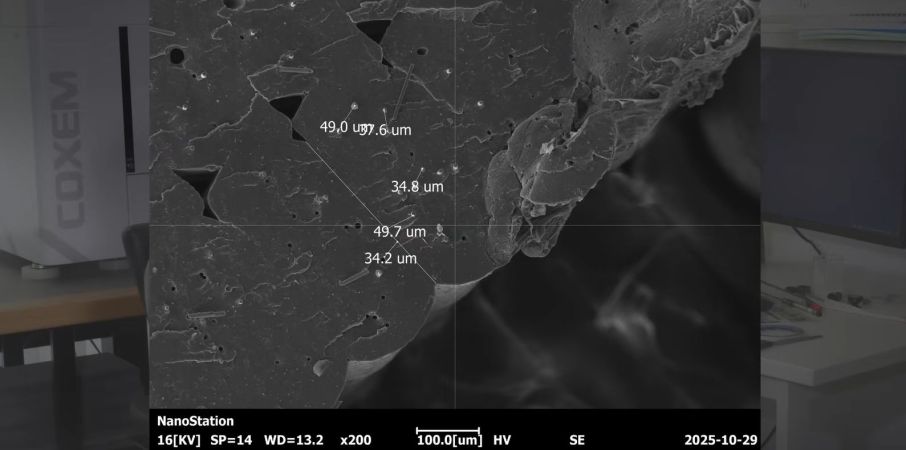
Using the facilities of the University of Basel for its advanced imaging gear, the PLA-CF parts were subjected to both scanning electron microscope (SEM) and Micro CT imaging. The SEM images were performed on the fracture surfaces of parts that were snapped to see what this revealed about the internal structure. From this, it becomes apparent that the chopped fibers distribute themselves both inside and between the layers, with no significant adherence between the PLA polymer and the CF. There is also evidence for voids created by the presence of the CF.

To confirm this, an intact PLA-CF print was scanned using a Micro CT scanner over 13 hours. This confirmed the SEM findings, in that the voids were clearly visible, as was the lack of integration of the CF into the polymer. This latter point shouldn’t be surprising, as the thermal coefficient of PLA is much higher than that of the roughly zero-to-negative of CF. This translates into a cooling PLA part shrinking around the CF, thus creating the voids.

Continue reading “Why Chopped Carbon Fiber In FDM Prints Is A Contaminant”

Industrial 3D Printing Uses Layers Like We’ve Never Seen Before

We’ve seen FDM printers lay down layers by extruding plastic in a line. We’ve seen printers use sintering and lithography to melt or cure one layer at a time before more print medium moves into place for the next layer. What we’ve never seen before is a printer like this that builds parts from distinct layers of substrate.

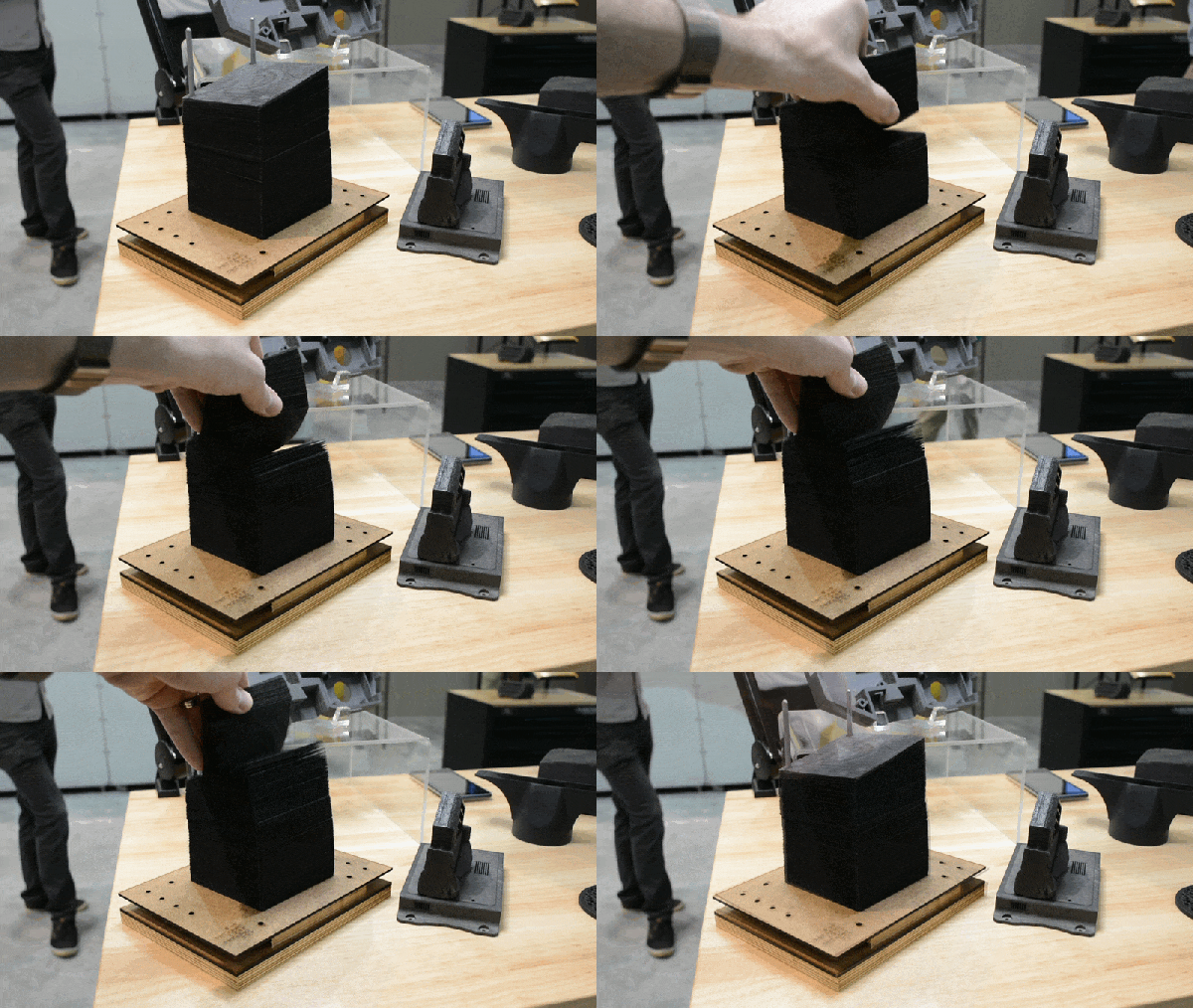
At the International Manufacturing Technology Show last week I spoke with Eric of Impossible Objects. The company is using a “sheet lamination process” that first prints each layer on carbon fiber or fiberglass, then uses a hydraulic press and an oven to bake the part into existence before bead-blasting the excess substrate away. Check out my interview with Eric and join me below for more pictures and details.

Continue reading “Industrial 3D Printing Uses Layers Like We’ve Never Seen Before”

3D Printering: Aramid And Carbon Fiber Infused ABS

Last week, we had a look at a carbon-infused PETG filament. This week, I’d like to show you two composites based on a more common thermoplastic in 3D printing: ABS. Among a whole lot of other engineering plastics, the french company Nanovia manufactures Kevlar-like aramid-fiber-infused and carbon-fiber-infused ABS 3D printing filaments. These materials promise tougher parts with less warping while being just as easy to print as regular ABS. Let’s check them out!

Continue reading “3D Printering: Aramid And Carbon Fiber Infused ABS”

3D Printering: XT-CF20 Carbon Fiber Filament Review

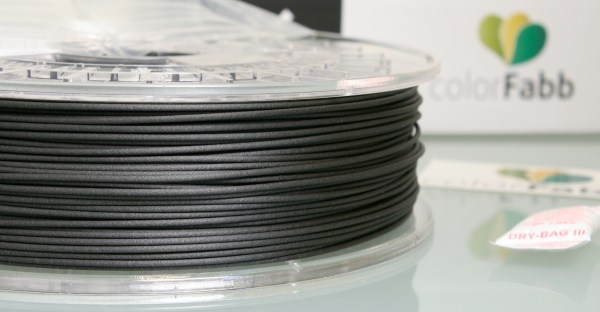
ColorFabb’s XT-CF20 is one of the more exotic filaments for adventurous 3D printerers to get their hands on. This PETG based material features a 20% carbon fiber content, aspiring to be the material of choice for tough parts of high stiffness. It’s a fascinating material that’s certainly worth a closer look. Let’s check it out!

Continue reading “3D Printering: XT-CF20 Carbon Fiber Filament Review”

MRRF: Tasty Filament From Proto-Pasta

Alongside printers from all walks of manufacturing, one can naturally expect to find people selling different kinds of filament at a 3D printing festival. One of these purveyors of plastic was Proto-pasta out of Vancouver, WA. Proto-pasta prides themselves on unique offerings and complete transparency about their manufacturing processes.

Almost all of their filaments are either PLA or HTPLA with something special added during extrusion. The menu includes steel, iron, carbon, and finely ground coffee. The coffee filament was one of our favorites for sure. The print they brought with them looked solidified light roast and had a transparent kind of lollipop quality to it. I couldn’t detect the coffee scent due to allergies, but [Alex] assured me that printing with this filament will make your house or hackerspace smell terrific.

[Alex] was giving away samples of their stainless steel composite PLA. This one can be polished to a smooth shine with a series of papers that run from 400 to 8,000-grit. Another of their newer offerings is PLA infused with magnetic iron particles. Prints made with this stuff can be rusted to achieve an antique, steampunk, or shabby chic aesthetic.

Proto-pasta also has an electrically conductive composite carbon PLA. This one is great for capacitive applications like making a custom, ergonomic stylus or your own game controller. According to the site, the resistivity of printed parts is 30 ohms per centimeter as measured perpendicular to the layers, and 115 ohms along the layers.

Have you made anything awesome with conductive or magnetic filament? Have you had any problems with unorthodox filaments? Let us know in the comments.

Carbon fiber weaving robot!

Hackaday Prize Entry: Weaving Carbon Fiber With Industrial Robots

Oh to have a 6-axis robot arm to play with… For [Basia Dzaman’s] final graduation project for School of Form, she designed and 3D printed an end effect tool for an industrial KUKA robot — for weaving carbon fiber.

Through an iterative design process, she developed many prototypes of the tool until the one you see above. It’s capable of holding a Dremel multi tool which can be used to drill into a work surface for installing pegs which make up the custom weaving jig. The pegs (nails) are then installed by hand so that the robot can thread carbon fiber — fed through an epoxy bath as it is dispensed — onto the jig. In the example, she shows a traditional Polish handcraft called Snutki (a type of stitching), wrapping the carbon fiber in patterns around the pegs. Once the epoxy cures, a strong structure can be removed.

Remember the 6-axis robot that can 3D print in metal, and is currently working on 3D printing a bridge? [Basia’s] design could do similar things, for a completely different industry. You can check out [Basia]’s video for the project below.

The 2015 Hackaday Prize is sponsored by:

Continue reading “Hackaday Prize Entry: Weaving Carbon Fiber With Industrial Robots”