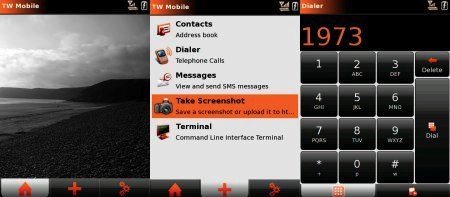
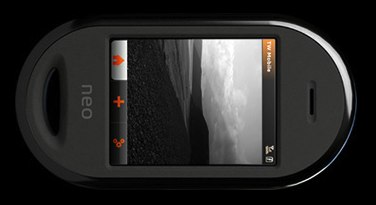
A first look from Ars Technica at the newly released Neo FreeRunner phone by OpenMoko reveals some interesting information. There are three different software stacks available to use; the Neo FreeRunner will ship with the GTK-based stack, referred to as om2007.2. It offers conventional smartphone applications, but most importantly, it includes “full root access to a Busybox shell with all of the standard scripting tools like sed and awk”. The ASU stack is what OpenMoko developers are currently working on; there are promises of a more user-friendly experience. The FSO stack, also currently in development, aims to resolve the issues brought up by having different software stacks for the same phone. Since none of the stacks are considered “fully functional”, OpenMoko may have a difficult time attracting a mainstream audience. Hackers may be hampered by the lack of available documentation, although there are resources for OpenMoko enthusiasts, if you just search hard enough. The final conclusion? While OpenMoko may be difficult to use, it compares favorably to competitors such as Google’s Android platform, which is less flexible.
cellphone97 Articles
LED Serial Debugging For Cell Phone Hacking

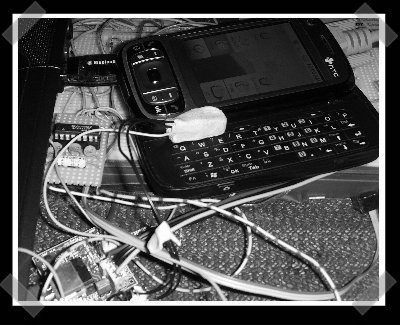
[Barry] needed some way to get serial output to help debug his efforts to port Linux to the HTC TytnII (Windows mobile Pocket PC phone). He wrote some code to send serial output via one of the LEDs on the phone and rigged up an AVR to pic up the output and provide a USB interface to the computer. It runs at about 200bps – perfect for the quick debug session.
Openmoko FreeRunner Now Available

Openmoko began selling Neo 1973 phones direct to developers last July. The phone is an open source project designed to ease development on mobile platforms. The Neo 1973 has since sold out, but a new Linux phone intended for the mass market has been released, the FreeRunner for ~$399. The screen is 640×480 with 3D acceleration and a 500MHz Samsung processor. The new phone has WiFi and 2.5G GSM support. It has some truly unique features like USB host mode support. You can find the differences between the two phones here. This new phone release should help strengthen the community since average users were discouraged from purchasing the original. Pictures of the phone’s internals and a component diagram can be found on the Openmoko wiki. We wish more manufacturers would explicitly tell us how to get console access.
[via Slashdot]
Wiretapping And How To Avoid It

No matter who you suspect is plotting your doom, you’ll need need to know the way wiretapping works in order to learn their plans and shield yourself from their surveillance. Luckily, ITSecurity has posted a comprehensive
article about wiretapping, including information on how to wiretap and how to find out if someone is wiretapping you.
One of the more intriguing methods of wiretapping the articles discusses is a service by a company called FlexiSPY. It works by covertly installing a program onto the target’s cellphone. Once installed, the spying party can listen to anything going on in the room the target is in by calling the phone. It won’t ring, vibrate, or give any indication that it is transmitting audio data.
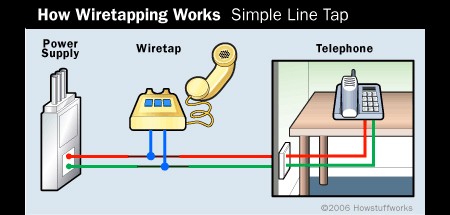
Some of the more hack-oriented methods involve tapping into a landline, using special software to record VoIP calls, or buying a wiretapping kit. Of course, countermeasures, are also discussed, but some of the links they provide are a little more informative on the topic of defense against wiretapping.
Google Android Application Challenge Winners
We browsed through the list and found a lot of social this and family that; nothing overly exciting honestly. There were a few interesting application ideas in there though:
- BioWallet – Biometric authentication system that uses iris identification.
- Talkplay – Video and voice message system, see and talk to your friends while on the go.
- Writing Pad – A unique way to enter text into your phone where common words are replaced by simple strokes.
The Android platform will probably cause the largest adoption of Linux based cellphones yet. We can’t wait to see what the homebrew community does with the platform and so much development for an unlaunched phone is amazing. Apple seems to go out of their way to lock us out, where this platform couldn’t be more open. With 3G support, WiFi, SQlite, Virtual Machines, GPS and much more what’s not to like.
Have any of you experimented with the Android SDK?
[via LinuxDevices]
Cell Phone Controlled Door Lock
Inspired by the knock to open hack, [ashish] put together a fairly simple DTMF decoder to control solenoid door unlocker and connected it to a Nokia 1100 cell phone. Call the phone, input the magic code, and the door unlocks.