Parts: LM317 Adjustable Voltage Regulator

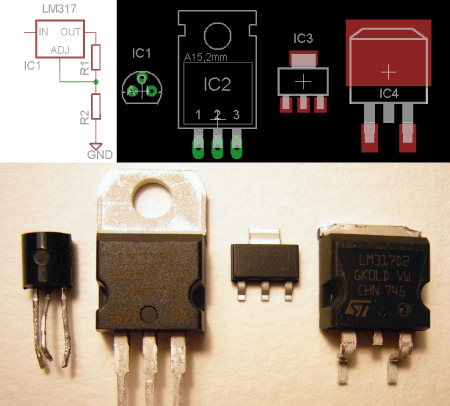
Every project needs a power supply. As 3.3volt logic replaces 5volt systems, we’re reaching for the LM317 adjustable voltage regulator, rather than the classic 7805. We’ve found four different hobbyist-friendly packages for different situations.

A simple voltage divider (R1,R2) sets the LM317 output between 1.25volts and 37volts; use this handy LM317 calculator to find resistor values. The regulator does its best to maintain 1.25volts on the adjust pin (ADJ), and converts any excess voltage to heat. Not all packages are the same. Choose a part that can supply enough current for your project, but make sure the package has sufficient heat dissipation properties to burn off the difference between the input and output voltages.

Continue reading “Parts: LM317 Adjustable Voltage Regulator”

Parts: Tactile Switches For Your Next Project

Electronics parts can be a pain to choose. It’s often hard to tell from manufacturers’ datasheets if a part will fit your design. We auditioned six different tactile switches to find a cheap button to use in upcoming projects. A tactile switch, also called a momentary button or push-to-make switch, is commonly used for input and microcontroller resets. This type of button creates a temporary electrical connection when pressed.

Footprints for most of these buttons are available in the Cadsoft Eagle library switch-tac, or in the Sparkfun parts library under TAC_SWITCH. Buttons in the image above are discussed from left to right. Continue reading “Parts: Tactile Switches For Your Next Project”

Hackit: Crap Modding

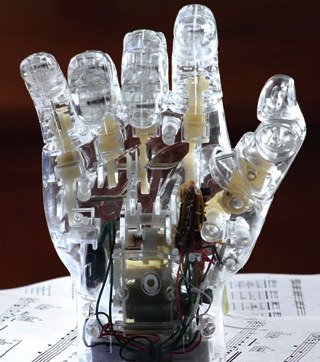
When Boing Boing Gadgets posted about this $13 robot hand music box, we immediately thought “OH EXPLOITABLE!”. Over the years, we’ve acquired quite a bit of cheap trash just operating under the assumption that we would turn it into something else. Most of our acquisitions are Woot‘s fault. Just this morning we were dismayed to find out that the purveyor of cheap electronics had already sold out of animatronic Elvis heads. Now that would have been fun. We’ve purchased things like Tony Hawk helmet cams, jumbo remotes, Bluetooth headphones, Gyration mice, IMFree chatpads, and many other items of questionable use thinking that some day we’d use it. How about you? What sort of irrational purchases have you made and what would you do with a $13 mechanized hand?

[Just as we were wrapping this up, Woot posted a $49 HMD; you better believe we bought that.]

Scavenging A WWVB Module From An RC Clock


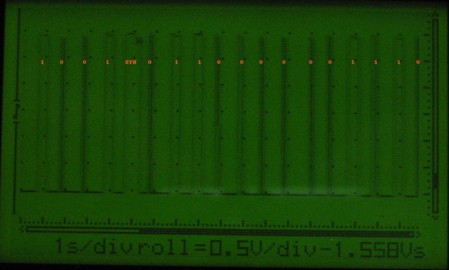
[Chris Kuethe] shows how to scavenge what could be a pricey WWVB module from a radio controlled clock. WWVB is a special radio station in Colorado that transmits an atomic-clock-derived signal to RC clocks. The clock model he uses, the Atomix 13131, goes for less than twenty bucks. He also shares the link to another tear down of a Sony branded radio controlled clock for similar purposes. So if you’re looking for a cheap way to obtain a WWVB module, the scavenging method could be the thrifty solution you seek.

(Disclaimer: A sticker for an event I organize is in the background of the photos, it’s not meant to be there as product placement.)

LCD Projector Repair


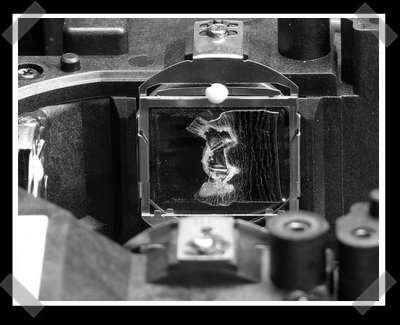
[Kieth] picked up an Infocus projector only to find that it needed some repair. The polarizer on the blue light path was toast. When he parted out an Optoma projector he scored a polarizer that was just about right for the repair. It’s a good read even if you don’t have a projector in pieces at the moment. He ended up bending the mounting bracket a bit to hold the filter and got his projector fully up and running again.

How-To: Scavenge A Mouse For Parts

ps2 mouse opened
Chris Kiick posted about swarm robotics earlier in the week and today publishes his first Hack-A-Day How-To.

Old computer mice are being abandoned in droves. They’re tossed out because of dirt, obsolescence, or for being entirely too beige. Anyone who has a computer usually has more than one mouse and you can get them for pennies, if not free just for asking. Fortunately for the discriminating (read: cheap) hacker, these little widgets are chock-full of project parts. Today’s How-To will dissect a computer mouse, extract the useful parts, and give some ideas about how to use them.

Continue reading “How-To: Scavenge A Mouse For Parts”