OpenMoko Usability Review

[Dave Fayram] has put out two videos covering the interface of the FreeRunner from OpenMoko. For those unfamiliar, we’ve covered it a few times before. It is an opensource mobile platform that includes a full X server. They encourage people to make their own software and even release the CAD files for chassis modification.

He points out some glaring faults and compares it to his iPhone. Some of the major faults he has listed and shown are:

  • Bezel around screen makes input difficult.
  • Extremely slow interface
  • Can’t play mp3s.
  • On screen keyboard is tiny.

It is marketed at around $400 so the comparison to an iPhone seems legitimate. We do need to keep in mind, however, that the FreeRunner is opensource. The more support we show to them, the better it will get. The thought of an opensource handheld platform, comparable to an iPhone is quite enticing. At this point though, the comparison is pretty one sided. Hopefully more software development and support from the community will make this device something to get very excited about.

[via Daring Fireball]
Xim360: Mouse And Keyboard For 360


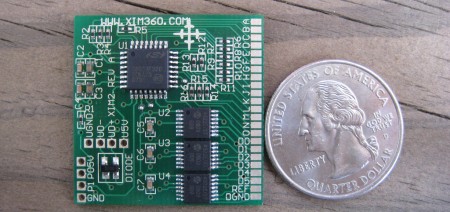
Many a computer gamer has scowled at the thought of trying to control an FPS with thumb sticks. When you’re used to the precision and speed of a mouse, the analog stick feels, well… just wonky. XIM360 has built, what is hopefully a big step forward in inputs for the 360. The device is an add on to the XFPS, and supposedly delivers an experience that is “what you’ve always hoped to get”.

The project came into existence when people, let down by the poor performance of the XFPS started augmenting it to try to get desired results. They used a board called XIM to get better control. The new board, XIM2 was built from the ground up to achieve the best possible experience. The XIM2 is now available for pre-order.

More information can be found on their website, as well as a large user forum of modders and hackers.

[via Xbox-Scene News]

Why We Mod


[Codejunkie] has written up a great explanation as to why we mod. He’s specifically talking about the Sony PSP, but many of the points he makes carry over to any modding. Though the “why” question may seem like a no brainer to most of us, we do hear it a lot. We strongly suggest you take a few moments to read his article.

Who hasn’t been asked this question? We all have different reasons to mod things. Some people do it to make improvements, some people do it just for the fun. He lists some of the more practical reasons and makes some insightful comparisons.

For example, he likens some modding to making personalizations to your car. Has anybody asked why you put a custom shifter knob on? No, because we are used to this, just as they are used to being locked out of their electronics. He also talks about products that are crippled from the factory. We’ve covered this situation on Hack a Day before. Is it wrong for you to want your product to function to its built in potential?

He covers a few thoughts on homebrewing software for the PSP as well. There’s no reasonable explanation for why you shouldn’t have full control over something you own.

Nodeblinky, Rechargeable And Full Of Blink

[youtube=http://www.youtube.com/watch?v=Si—o0fEto&hl=en&fs=1]
Over 2500 unique patterns and up to 25 hours of winky blinky fun, that’s what you get with Nodeblinky. This contraption was designed by the Image Node crew as a learning platform and a way to raise money for their upcoming Burning Man display.

The kit measures 4″ square and has 28 LEDs spread across its surface. An AVR ATmega168, rechargeable 9 volt battery, and two LED drivers power it. One section of their site states that it has over 2500 unique patterns, while another area says 5000 combinations of patterns. Either way, its pretty trippy as you can see in the video above. There are 4 brightness levels as well as 4 running modes to keep you amused. The kit can be purchased for $40 or the assembled unit for $80. They do freely give out all the details though, so if you really felt like building one yourself, you probably could.

IPhone 3G: Under The Hood


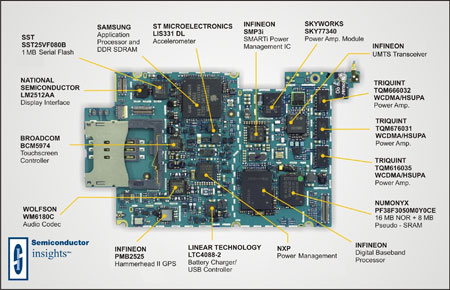
TechOnline has cracked open the iPhone 3G to find out what makes it tick. They’ve released detailed diagrams as well as some videos of the dissection.

Calling this an incremental update, they note that the changes seem to be additions and improvements rather than a total rebuild of the original platform. They get into the nitty gritty, discussing not only the layout and structure, but even the importance of each chip manufacturer.

Some of the improvements are obvious, like 3G. Others include the battery not being permanently attached, and the headphone jack being flush mounted. Most of the changes were in who manufactured each chip.

[via TUAW]

SenseSurface: Custom Inputs On Your Lcd Screen


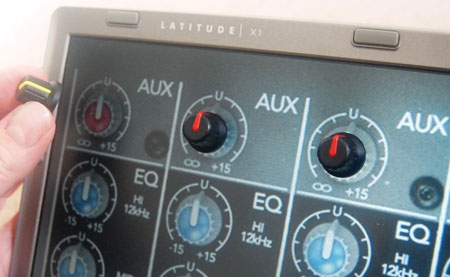
[Lindsay Williams] has come up a novel way of constructing custom physical inputs for your programs. SenseSurface is a viable alternative to building a new interface for each application. Simply place the dials, buttons, and sliders on your screen wherever you want them.

A sensor board, placed behind the display, picks up the signals from the inputs. The only limitation to the number of inputs available is the size of your screen. Inputs are held on magnetically, and have a low friction backing to avoid scratching or gouging your screen.

Continue reading “SenseSurface: Custom Inputs On Your Lcd Screen”

IPhone Dev Team Shows Ssh Access

They still haven’t released the jailbreak yet, but the iPhone dev team hasn’t been sitting idly by either. They recently posted this video of ssh access on the iPhone 3G. Not only have they succeeded in hacking into the phone, they say that apple can’t fix it without a hardware change. Having root level access to the device opens up many more possibilities than just hooking an API.